WRAPPED IN RELIGION
WHAT ARE TEFILLIN AND WHY ARE THEY WORN?
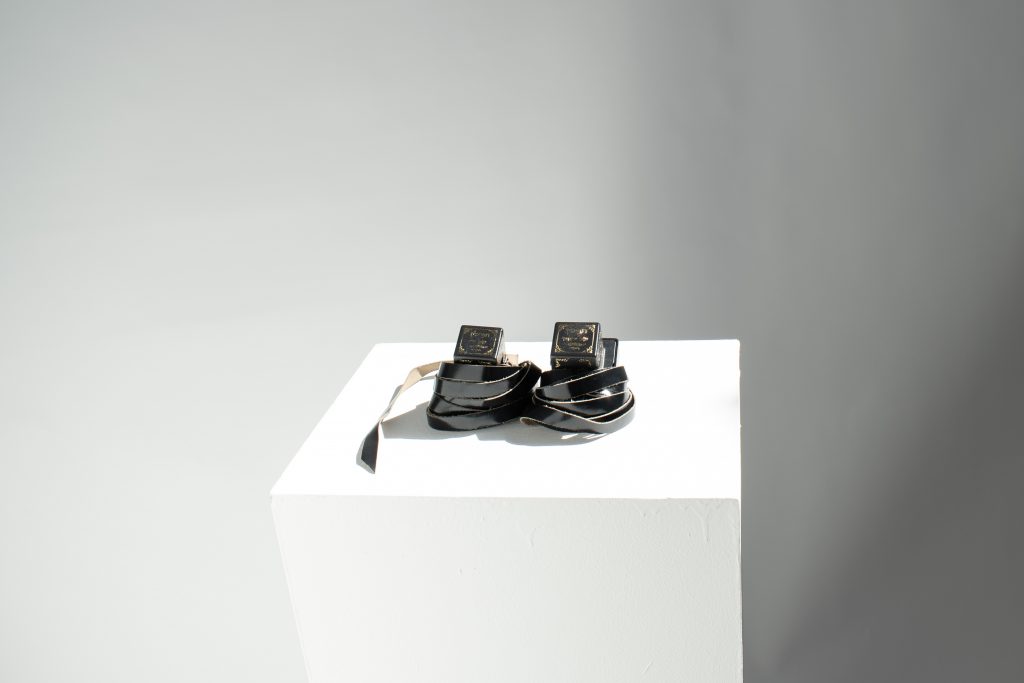
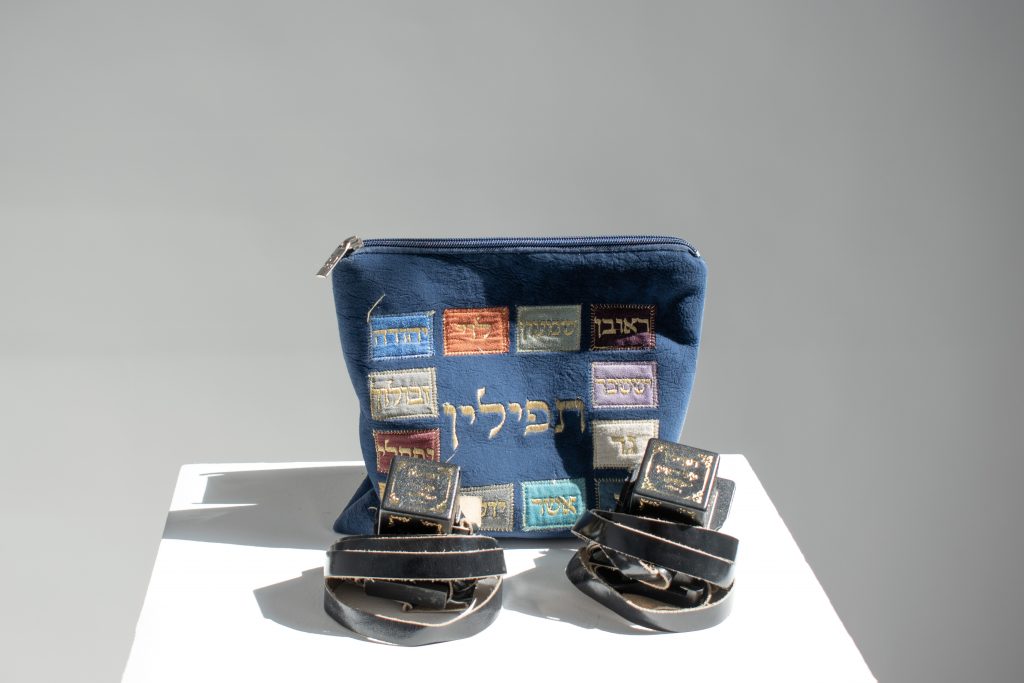
Tefillin, also known as phylacteries, are little black leather boxes that hold parchment scrolls imprinted with Torah texts. They are worn by devout Jews during weekday morning prayers. The practice is ancient and based on biblical commandments. Tefillin is mentioned in various places in the Torah, including Exodus 13:9, where it says that these words will be a sign on your hand and a reminder between your eyes.
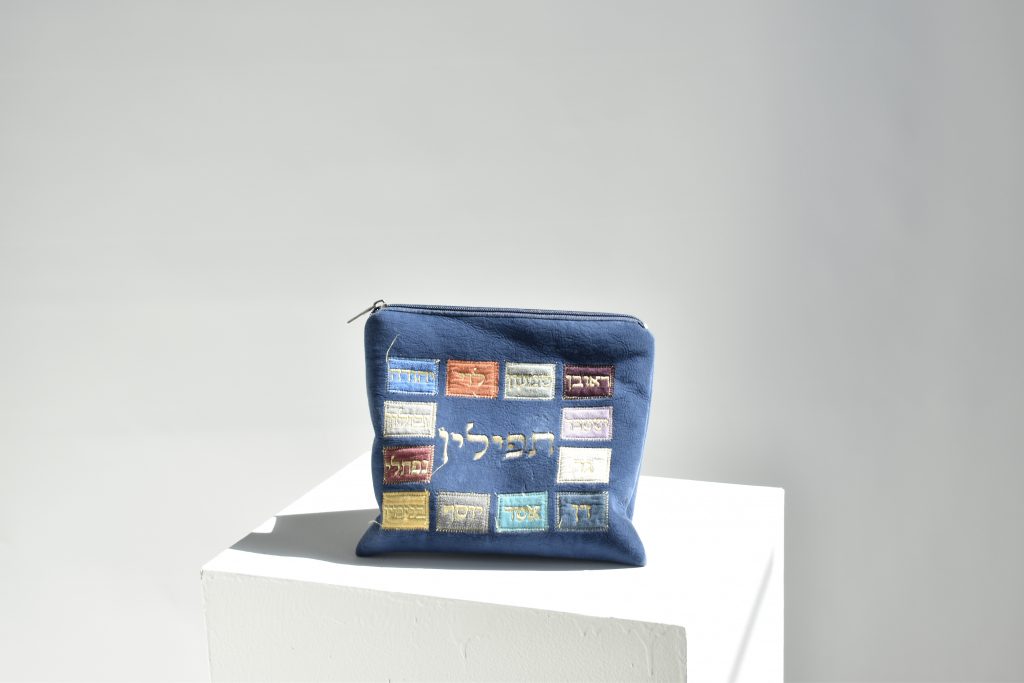
Tefillin is composed of two parts: tefillin shel yad (hand tefillin) and tefillin shel rosh (head tefillin). The hand tefillin contain one compartment that holds a scroll with four Torah chapters. It is linked to the arm, so the box rests against the bicep, facing the heart. The head tefillin contain four compartments, each with its own scroll, and is worn on the forehead above the brow. The black straps protruding from these boxes are wrapped around the arm, hand, and fingers in a certain way.

Wearing tefillin is a mitzvah (commandment) that is important to Jewish life and spiritual practice. It represents the Jews’ devotion to God, reminding the wearer to unite thinking, emotion, and action in service to Him. Famous rabbis have long debated the role of tefillin in Jewish theology. Upon interviewing Rabbi Greg Bank, Rabbi of Yeshurun Hebrew Congregation he explains that the, “daily practice of putting on tefillin serves as a powerful reminder of our connection to G-d and our duties as Jews.” he continued to describe how it instills a sense of discipline and mindfulness, setting the tone for the day by focusing our intentions on spiritual matters.
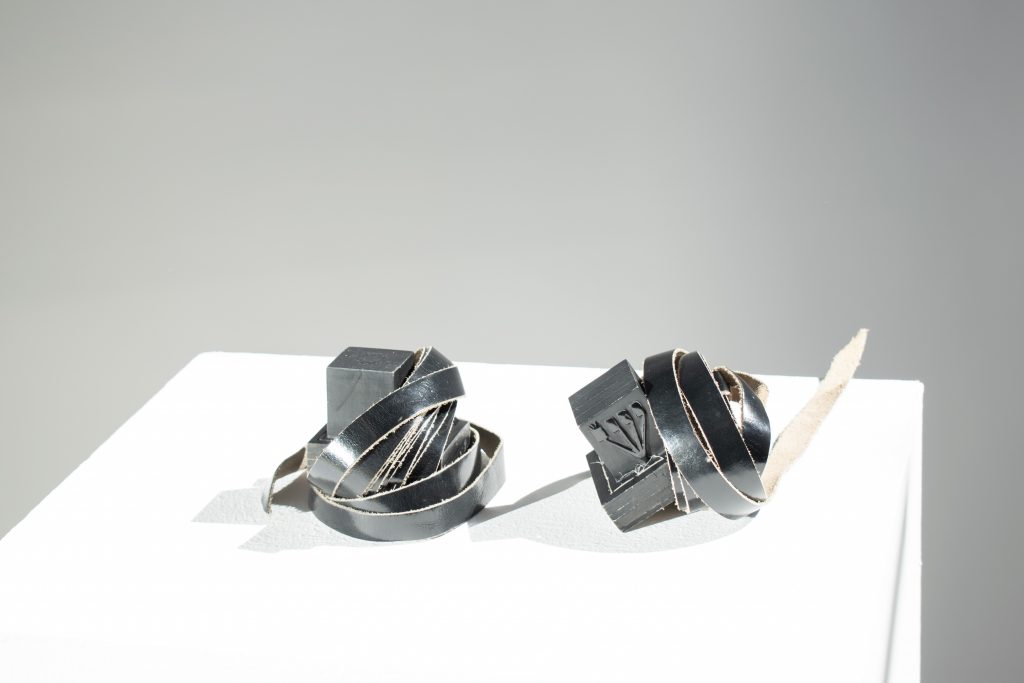
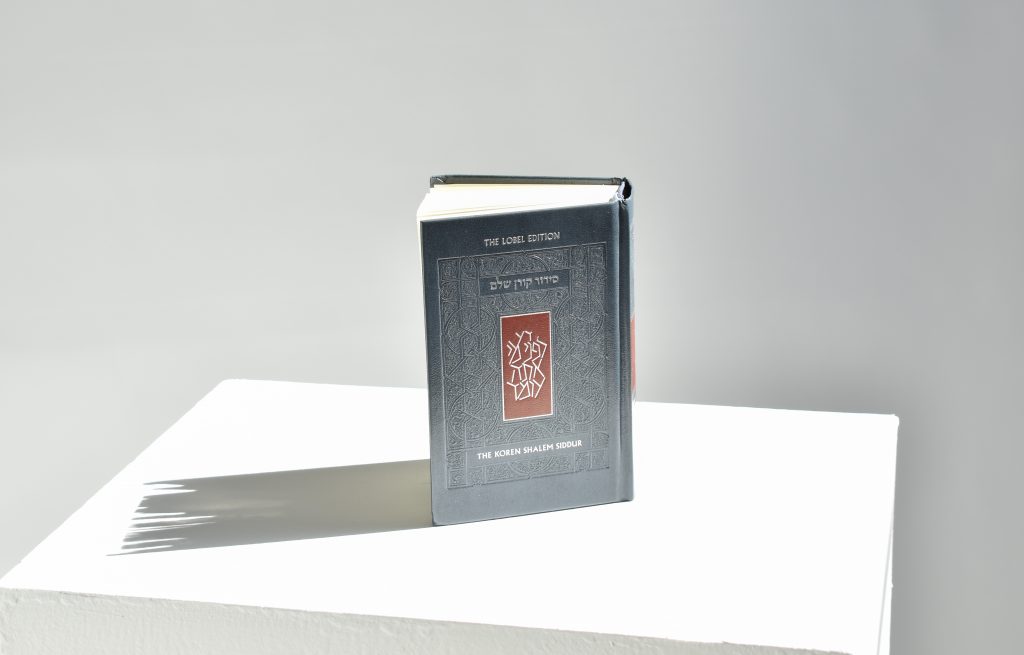
Tefillin are viewed as a means for subduing the wearer’s personal desires and inclinations, bringing them closer to God’s laws. This practice acts as a daily reminder of one’s relationship with God and the covenant between God and the Jewish people. The act of putting on tefillin is fraught with symbolic importance. The tefillin shel yad is placed on the left arm (for right-handed people), close to the heart, the centre of emotions and affection. This placement indicates that one’s emotional efforts should be directed towards serving God. It also represents the idea that the heart’s desires should be consistent with the commandments. Tefillin shel rosh is worn above the forehead and between the eyes. This place is noteworthy because it represents the sanctification of the mind and intellect in the service of God. In regards to the positioning of teffilin, Rabbi Greg Bank commented that the, “dual placement teaches us to harmonise our emotions and intellect with our actions, dedicating both our minds and hearts to divine service.” The positioning serves as a visible reminder that Jewish thought should be guided by God’s teachings and the knowledge of the Torah.
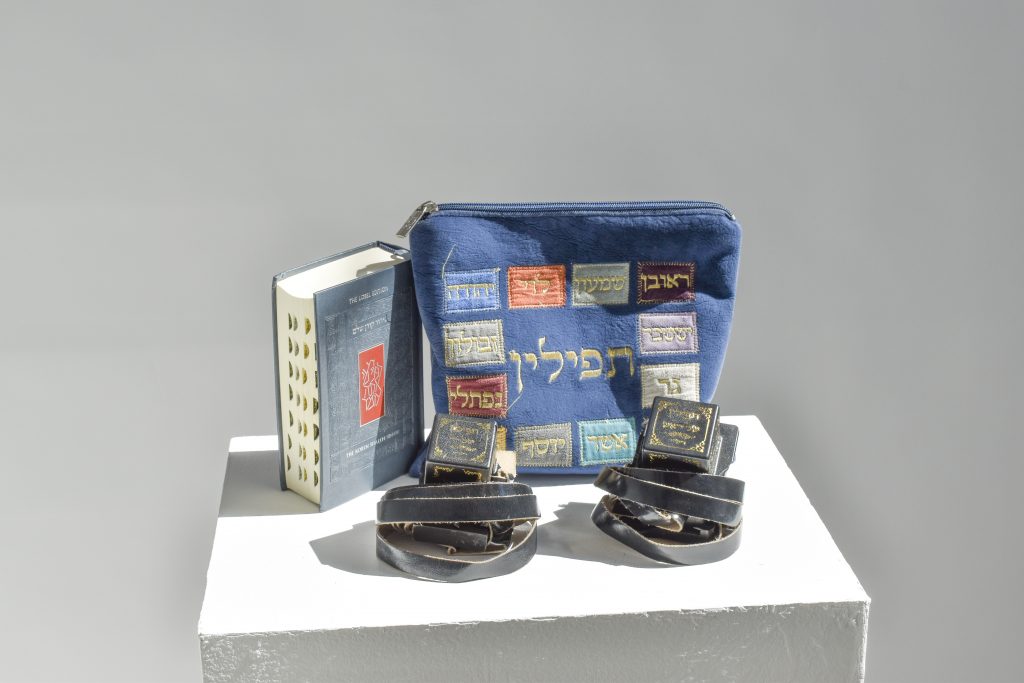
The placement of the straps and knots also has meaning. The strap of the head tefillin has a knot shaped like the Hebrew letter dalet, whereas the strap of the arm tefillin has a knot shaped like the letter yud. Together with the box (formed like the letter shin) on the head tefillin, these letters constitute one of God’s names, emphasising the wearer’s devotion to God.
The tefillin are the physical manifestation of a religious Jewish man, reminding him by the use of daily symbols of the relationship between the head and heart. For most this grows into a strong sense of responsibility which can lead to increased religiosity. For example, tefillin are only worn during morning prayers which often start at 7am, yet at 13 years old you want to wake up early so you can attend the synagogue before school. If you attend the morning prayers and have your tefillin on, you can be selected by the Rabbi to carry out an important role to allow for all to complete the service to the full extent. Rabbi Greg Bank describes this as the, “yearning to connect with the eternal and to infuse our lives with sacred meaning.” This is the moment when, for the first time ever, you can truly feel close to G-d and build a sacred connection that lasts a lifetime.
THIS IS THE MOMENT WHEN, FOR THE FIRST TIME EVER…
YOU CAN TRULY FEEL CLOSE TO G-D…
AND BUILD A SACRED CONNECTION THAT LASTs A LIFETIME.