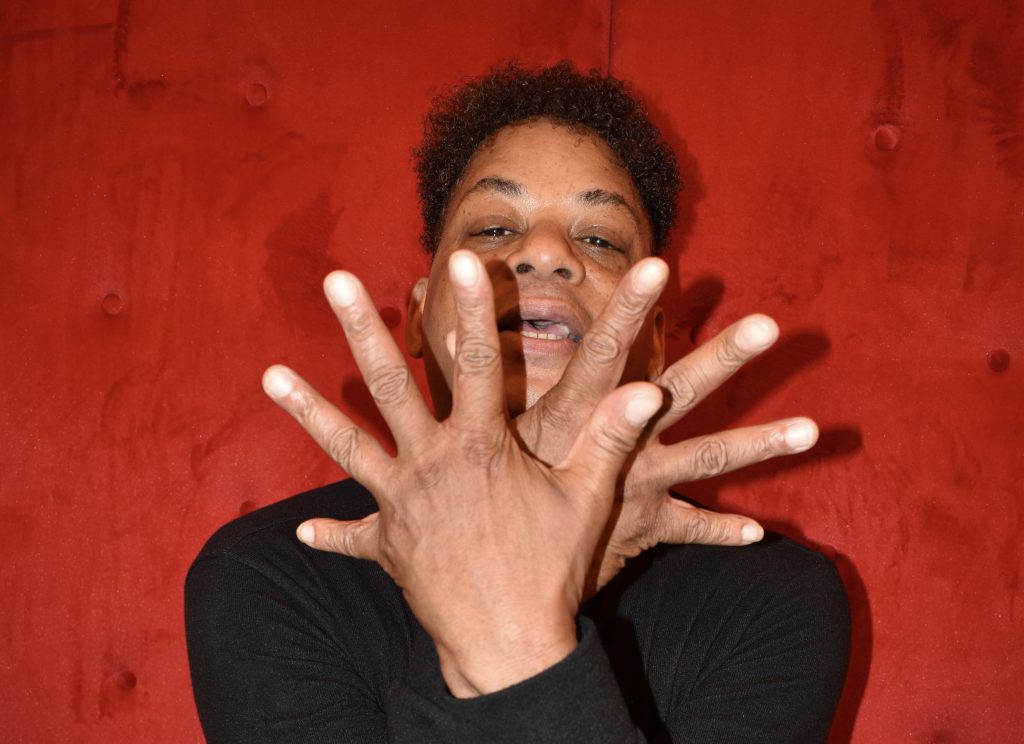
British-Jamaican ballerina Simon Smith : ‘It transformed my world, seeing a whole group of Black people doing classical ballet’
The West-End veteran danced professionally for over three decades and is the younger brother of Echobelly guitarist Debbie Smith. He reflects on being Black and gay back in the day, and fighting adversity with self-love.
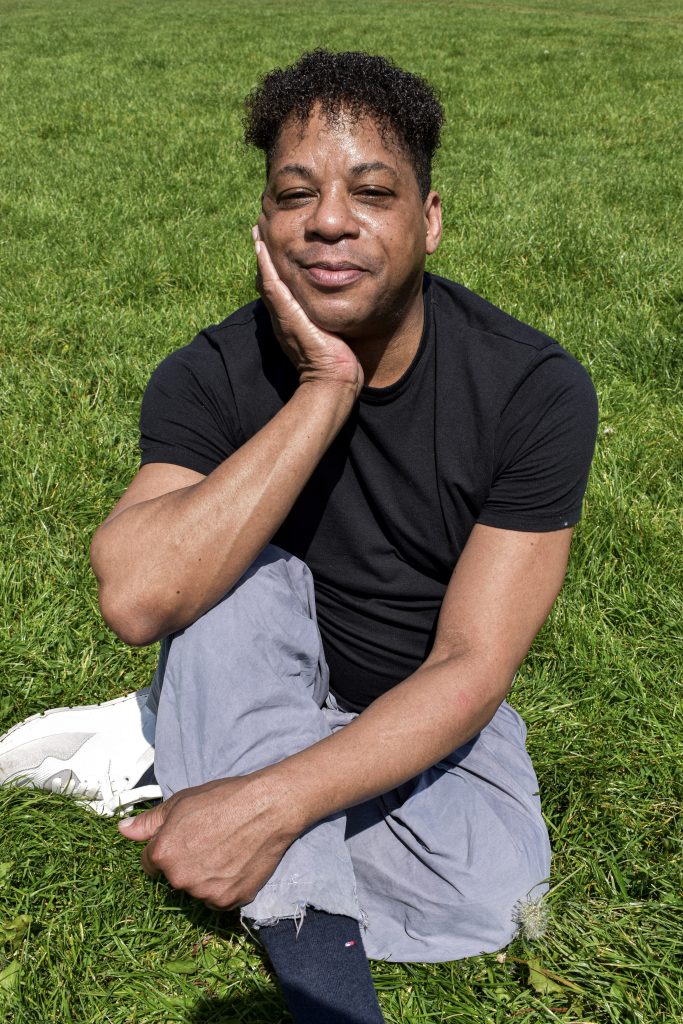
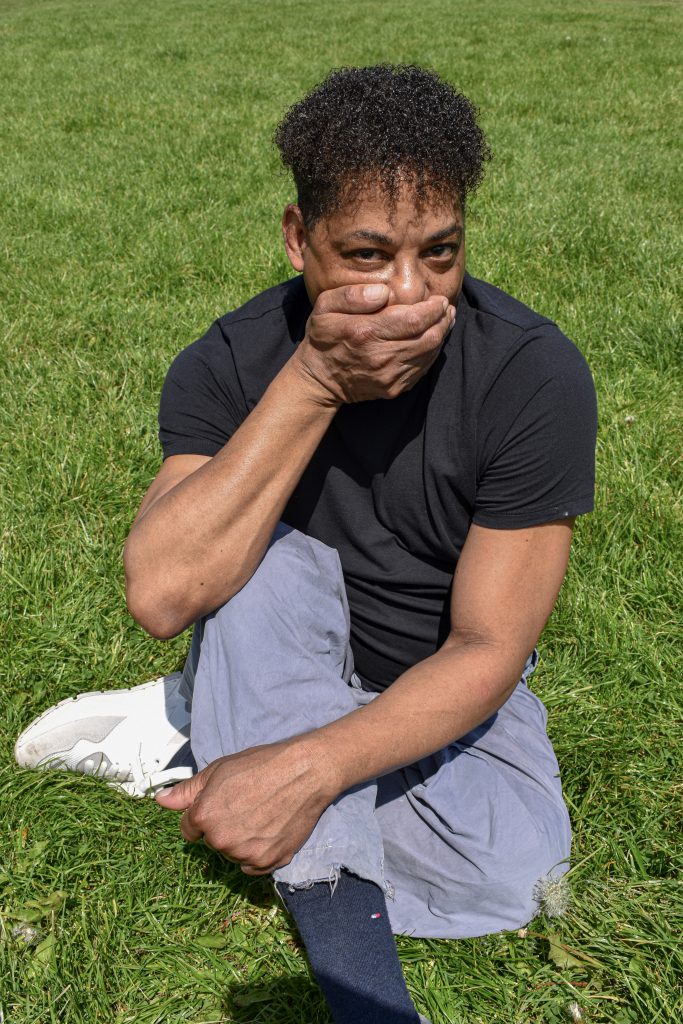
When Simon Smith was 16 years old he was outed by his own family member. “My cousin was also gay, but he was a bit jealous of me. So he ended up telling my mom that I had a boyfriend. So that’s how I was outed. I told her I was bisexual thinking it was the easy thing to say. . . She called me greedy, dirty. Make your mind up, see what you are”. That was nearly four decades ago. Simon’s mother has since overcome any prejudice and is a proud parent to not one, but two queer performance artists.
Born in 1971 to Jamaican parents in Palmers Green, North London, Simon Smith exudes star quality from the pep in his step to his sing-song storytelling. He is clearly comfortable being noticed. Simon first took to the stage aged 11 at his local primary school, performing a self-choreographed routine to ‘Destimona’ from the TV-series-turned-musical, Fame. It was there that he was scouted by a talent agent and catapulted into a 30 year career in the world of performing arts. From dancing on tours with London City Ballet, with Princess Diana as their patron, to the full-circle moment of landing a lead role in Fame, the musical, by 30, Simon’s career brought him not only recognition and accolades, but joy. “Some [shows] were better, some were worse, but I’ve enjoyed every moment of it, really. . . for me gay culture was the ballet company. It was camp! It was just fun!”
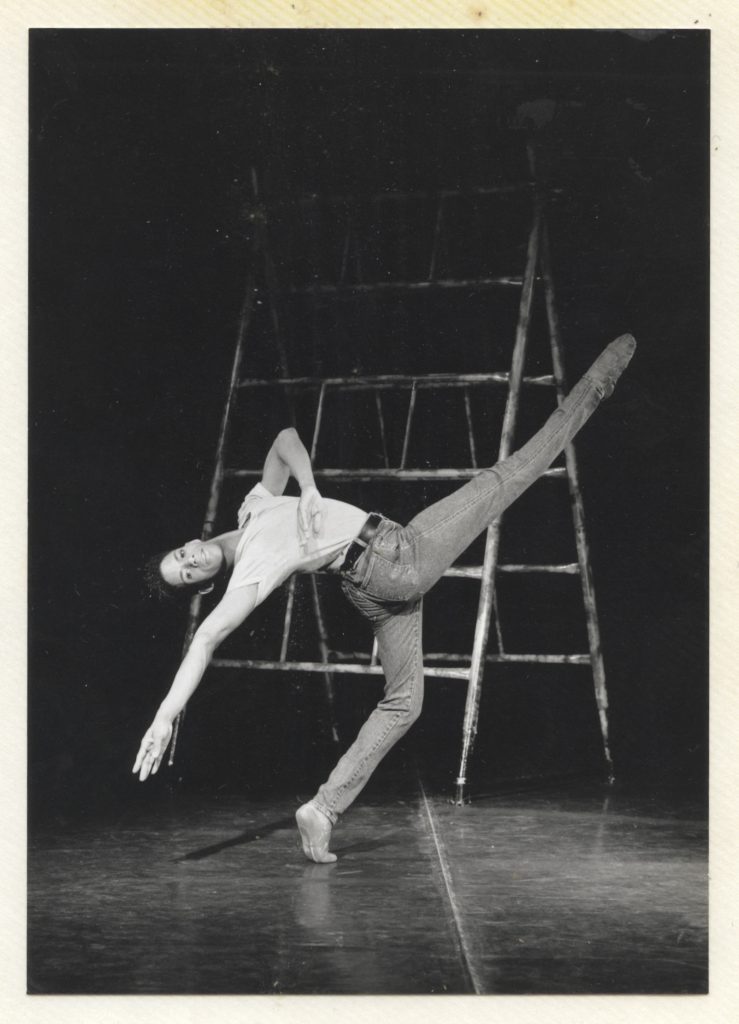
Of course, not every moment was glitz and glamour.
“Now things are so much different – you see Black people in every genre. Then, in the day, you had to work twice as hard.”
With few major roles available for Black performers in theatre and the influences of the Thatcherite era and AIDS epidemic at their height, being out as gay and becoming a Black performer was no easy feat. “There was always the analogy that black people couldn’t do ballet because of our body types, our body shapes, the thickness of our butts. But I never really believed that. I thought you could just do what you wanted to do. . . and I was quite effeminate and camp anyway, being a performer as well, people used to call me names and all that. But I just took it on the chin, it didn’t really bother me. I was just happy being myself.”
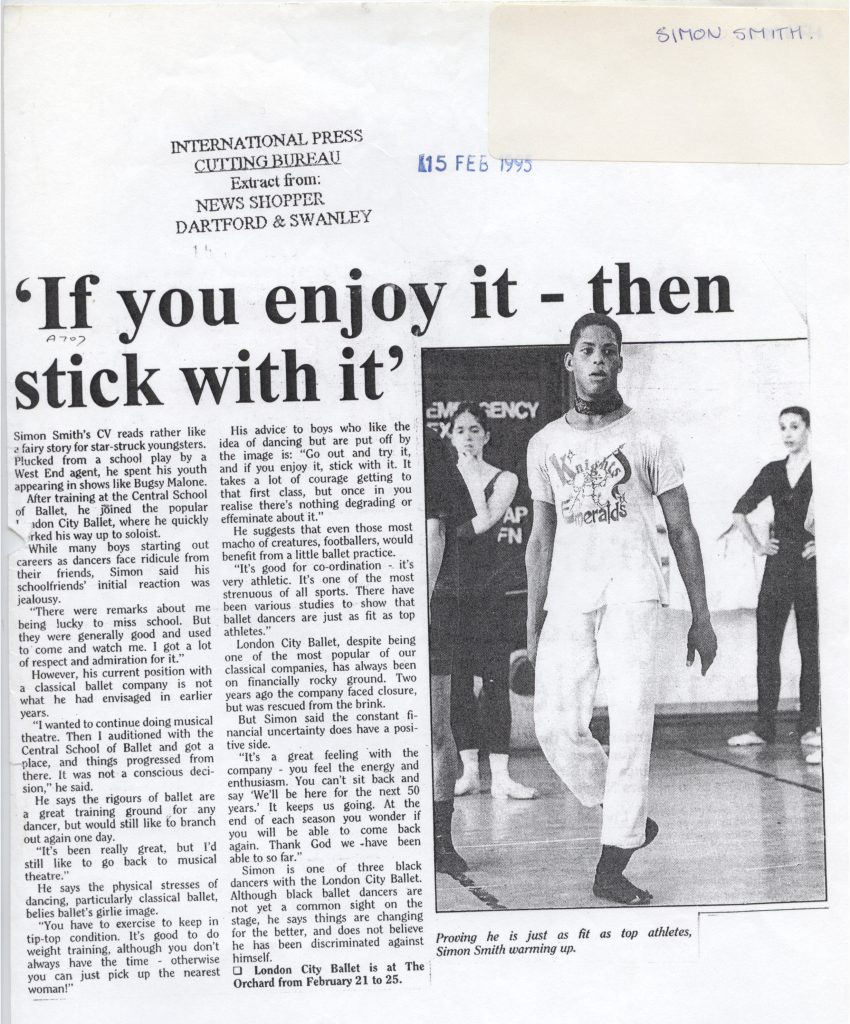
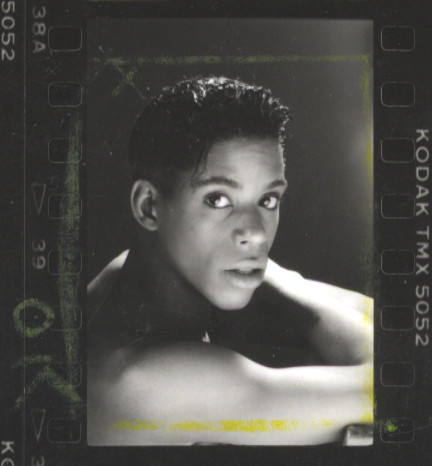
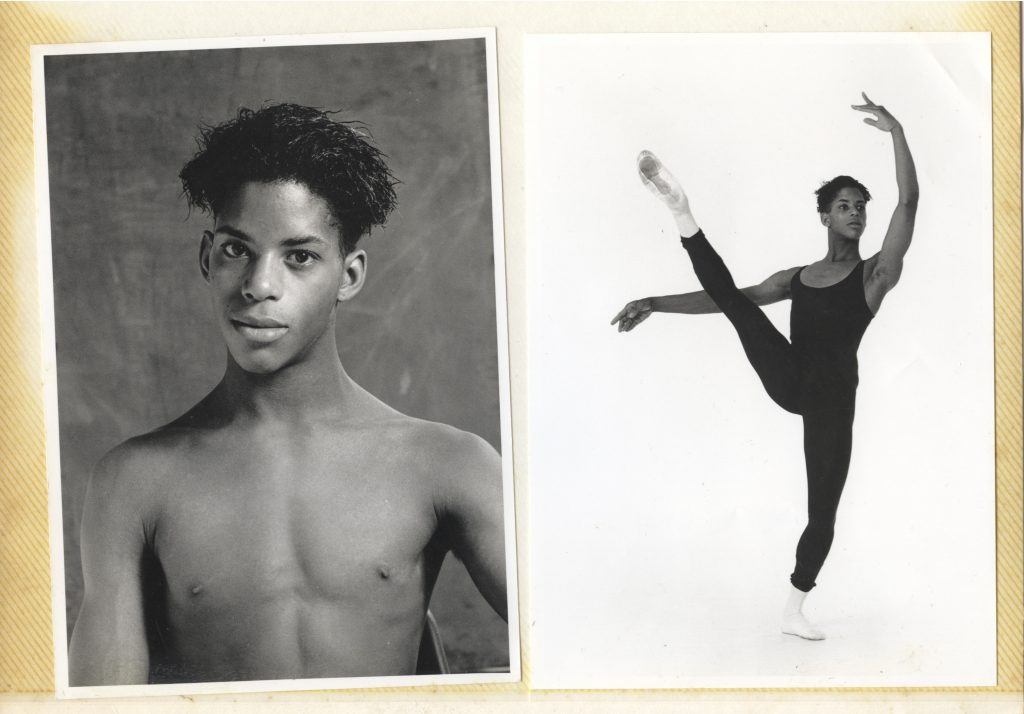
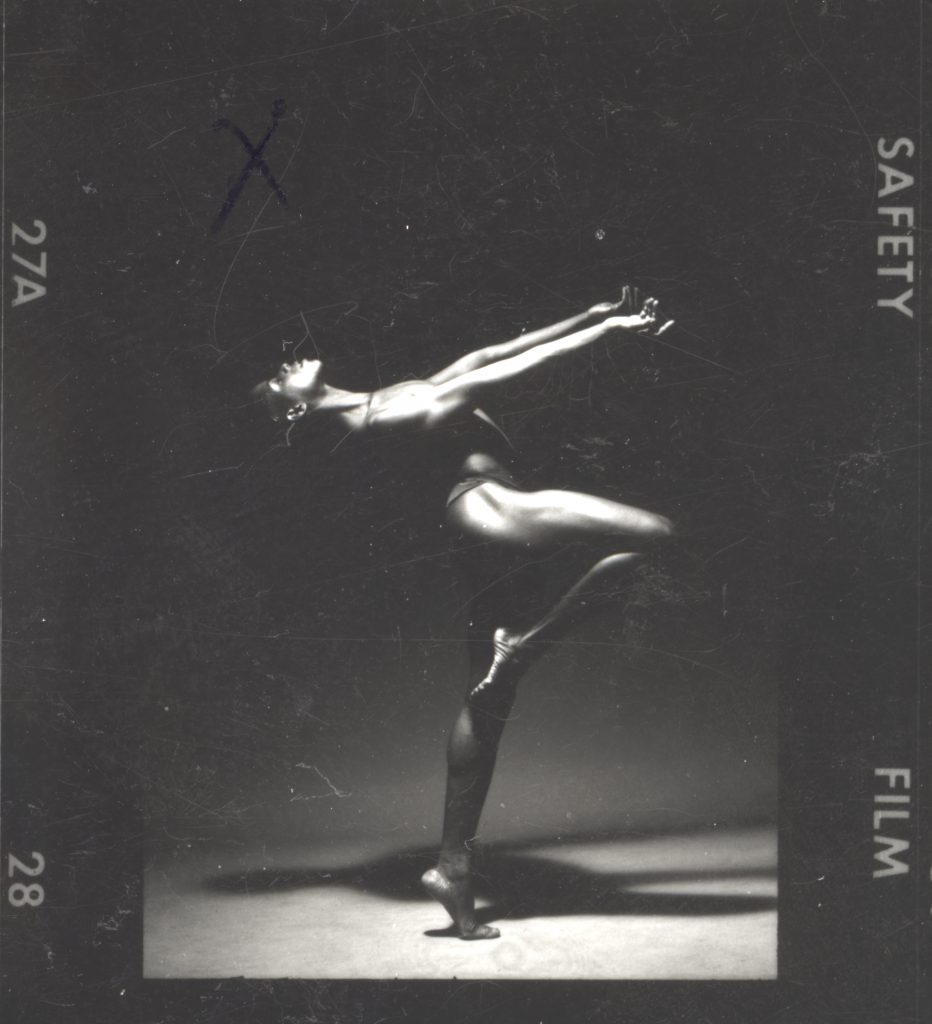
Originally, Simon had little interest in ballet. From 11 to 16, he attended a drama school, where his English teacher encouraged him to audition for a ballet company to perfect his dancing technique. “But then I fell in love with ballet and realised that it was possibly a place for me. I saw a company called Dance Theatre of Harlem, all Black Americans. . . and it transformed my world, seeing a whole group of Black people doing classical ballet, and that’s what propelled me to do it.”
Scans from undated contact sheets. Photographic copyright: Peter Teigen
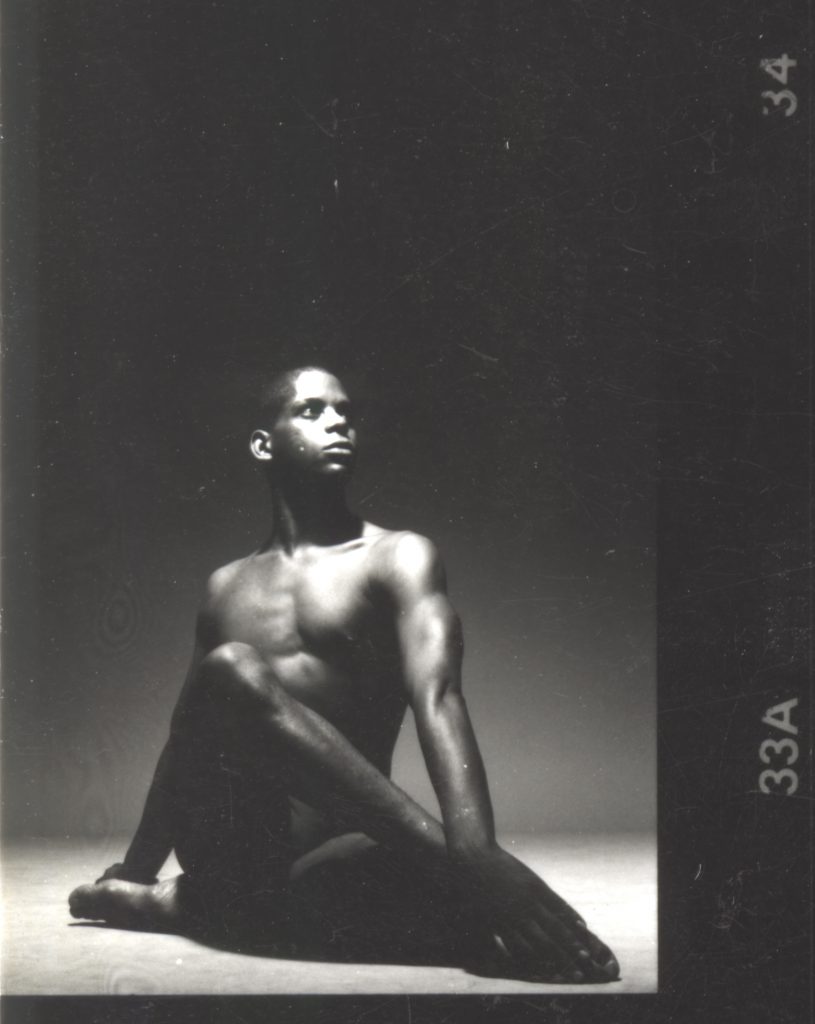
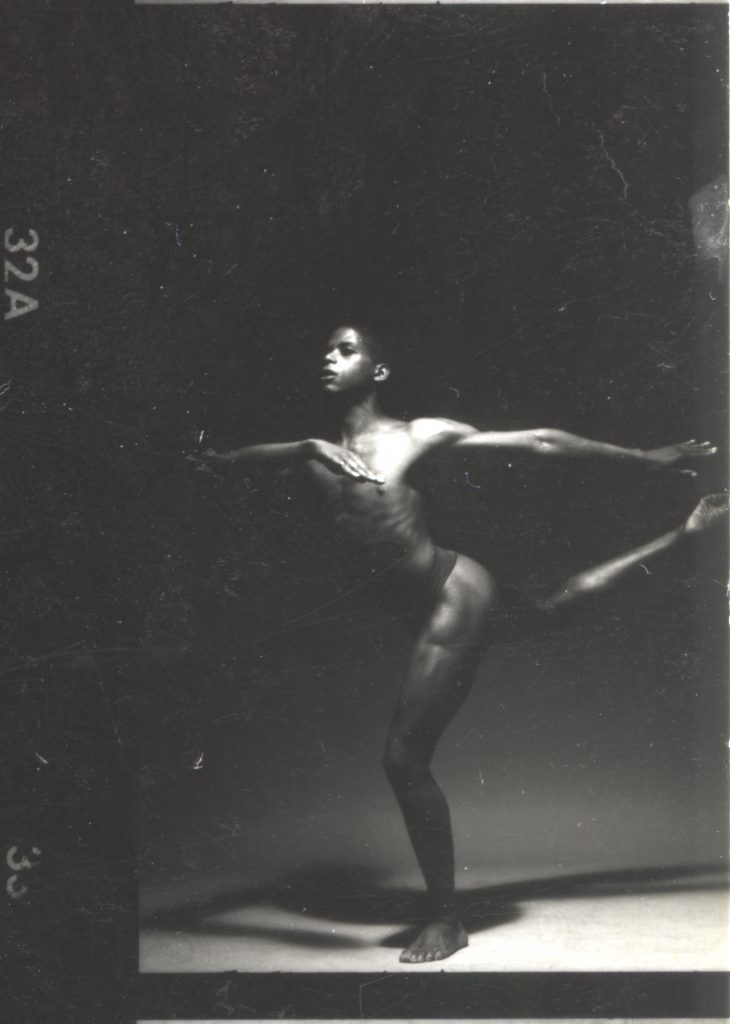
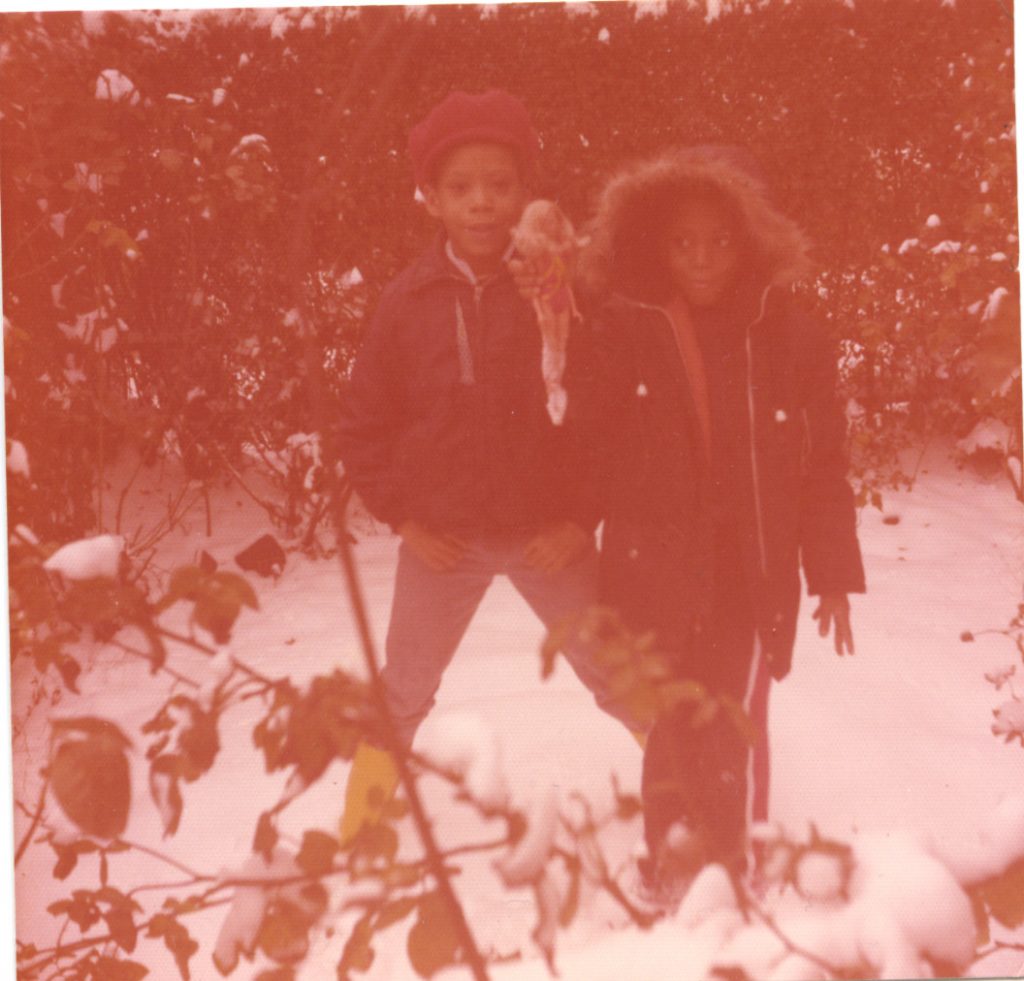
Growing up, Simon was, and still is, very close to his sister. Three years his senior, Debbie Smith was the guitarist for Echobelly and a pioneer of the Britpop craze. She and Simon both knew from a very young age that the two of them were queer, and Simon was welcomed into lesbian spaces with his sister and her friends from his early teens. From bars and clubs to the ballet company, and even at home, Simon was immersed in queer culture since childhood.
Debbie (left) and Simon with Barbie (right), in the mid-70s.
After decades of traveling around the world, dancing on cruise ships and airplanes, and performing in musicals such as Fosse (his personal favourite) and La Cage Aux Folles, Simon still looks back on the Black ballerinas of the Dance Theatre of Harlem as some of his greatest inspirations – without whom he may not have booked some of those fabulous gigs.
But, then again, dancing is an innate part of Simon’s personhood. “I just couldn’t stop moving”, he responds, when asked what inspired him to dance before the ballet company. Like him and his sister’s gender expression, it was something natural and instinctive: “She used to play with boys’ toys, I used to play with girls’ toys. I remember at Christmas, our neighbours would give us toys, but we wouldn’t even say anything. We would just close the door, say thank you, and swap toys. Without even a breath. Yeah. So we always knew we were different.”
So, while Simon was surrounded by like-minded role models during his formative years, at the end of the day, being a dancer and performer, like being gay, or Jamaican, is not (in his case) a learned behaviour. It’s just who he is. And he loves it that way. This, is Simon Smith.