Nestled in a cozy living room adorned with keepsakes that whisper stories of a distant homeland, I sat down with my mother, Susanne, to explore her remarkable journey from Germany to England. Her story is a mosaic of excitement, trepidation, cultural adjustments, and a resilient connection to her roots.

“I was quite excited but also a bit scared because I didn’t have family here and didn’t know London well,”
After marrying my father in 1998, Susanne relocated to England, which marked the beginning of a trip that would change her life. “When I got married in 1998, that’s when I first travelled to England,” she recalls. Another significant year came in 2001 when the pair moved into an apartment close to the Millennium Dome, which is now the O2 Arena, and she started a new career in the city.
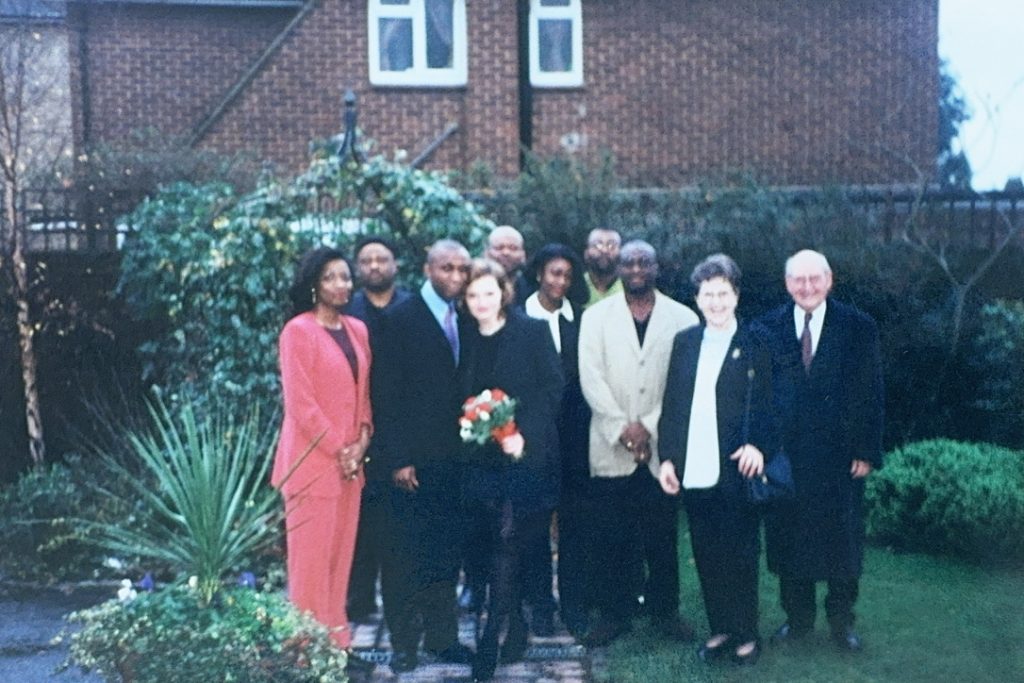
Emotions ran a wide spectrum after the move. “I was quite excited but also a bit scared because I didn’t have family here and didn’t know London well,” she admits. The prospect of fresh chances and the solace of her husband’s company overcame her early concerns, making the move an exciting journey.
Initially, their furnished apartment felt like a temporary abode. “I just brought along whatever happened to fit in the car,” Susanne says, highlighting the transient nature of those early days. It wasn’t until their belongings arrived from Germany a year later that their apartment began to feel like home.
Staying connected to her family in Germany has always been paramount for Susanne. Regular visits and hosting her parents in the UK fortified these ties. “I’ve always been very close to my family and traveled there regularly,” she shares. With advancements in technology, maintaining these connections has become easier, though nothing compares to the warmth of physical visits.
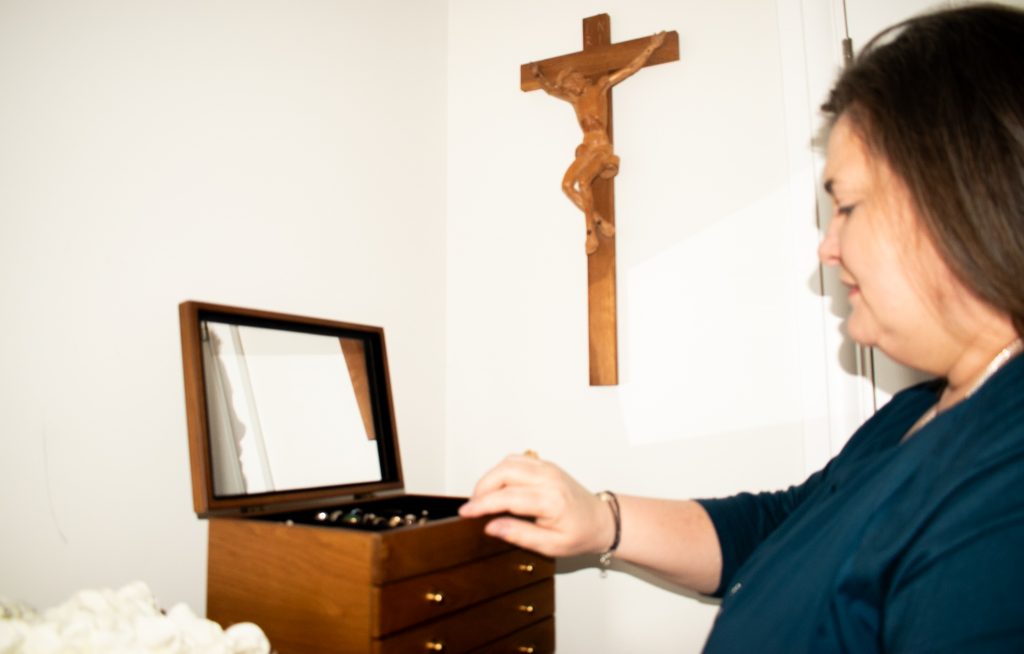
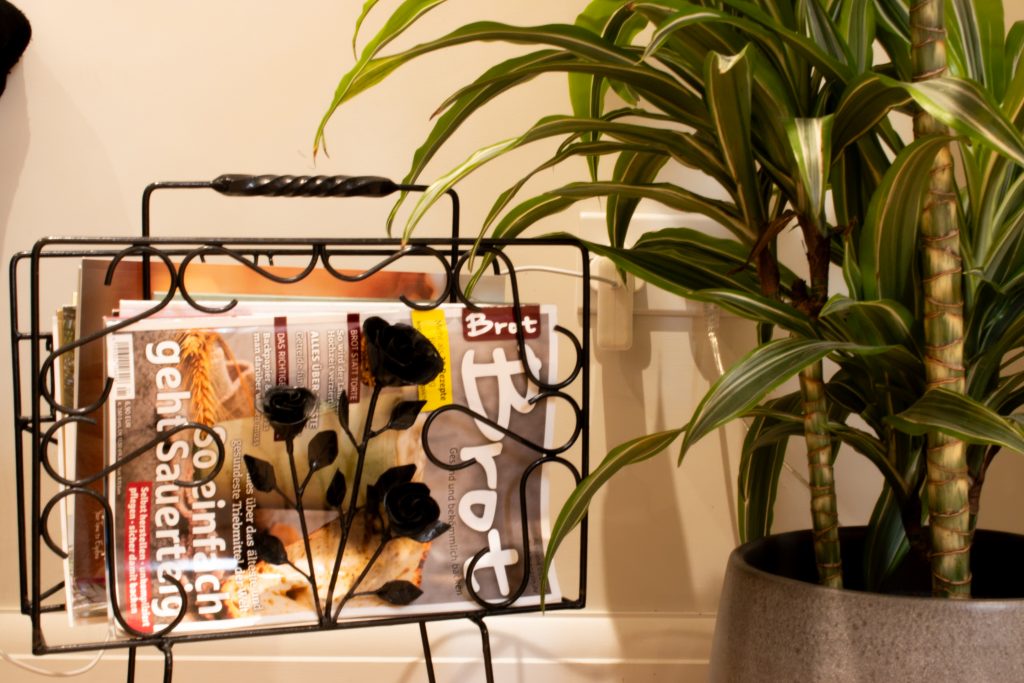
Mementos from her parents, like a cherished jewellery box or a newspaper stand, serve as tangible links to her past. “They actually make me feel connected to my parents and my childhood home,” she reflects, underscoring the emotional significance of these items.
Adjusting to British culture presented both subtle and profound challenges for Susanne. “The culture between Germany and the UK is not that obviously different on the surface,” she notes. However, historical perceptions, particularly those stemming from World War II, influenced her experience. “As a German, I think there are still reservations or views that the English have with regard to Germany and Germans,” she explains.
“And after, you know, more than 20 years here. When I go back, I feel slightly out of place. But while I’m here, I also feel slightly out of place.”
Language was another hurdle. Susanne often felt uneasy speaking German in public, fearing it might attract unwanted attention or judgment. “Unlike French or Spanish speakers, Germans carry a different historical baggage,” she says. This led her to assimilate more, carefully balancing her identity within the English context.
Communication styles also posed challenges. “As a German, I’m used to being very direct,” she says. “In the UK, people tend to be more reserved and indirect, which took some getting used to.”
Throughout her time in England, Susanne has moved several times, each move reshaping her sense of belonging. “You always bring part of you or your belongings,” she says. Migration, Susanne reflects, is a complex experience. “You create something new, but you always have a pull back to your home country,” she muses. After more than 20 years in England, she feels slightly out of place when visiting Germany, yet also slightly out of place in England.
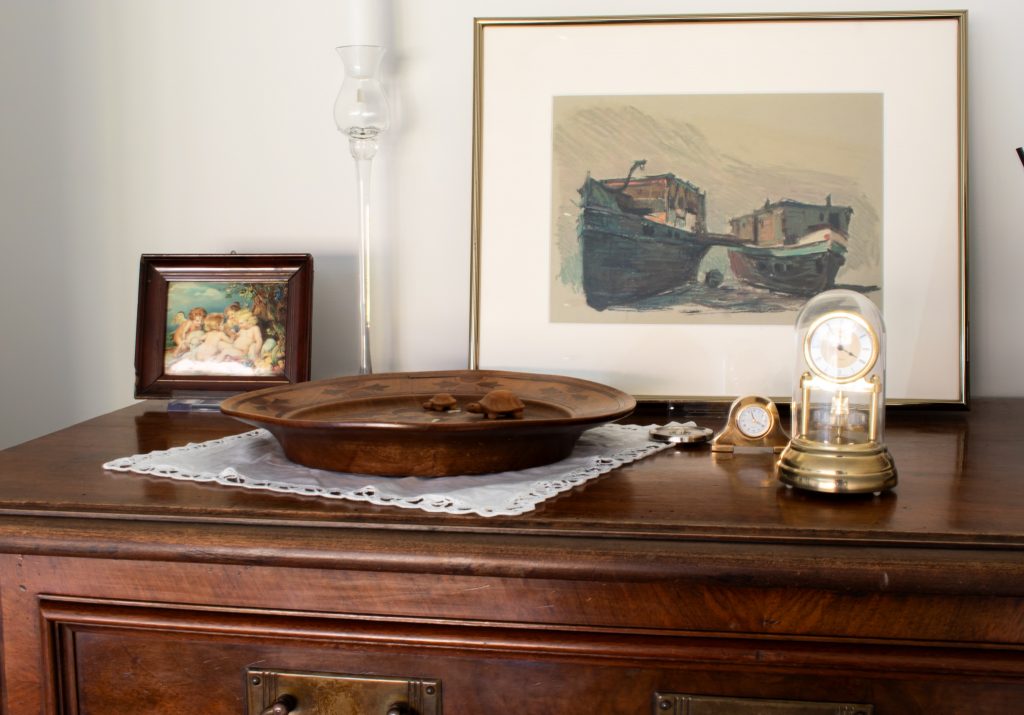
This middle ground she occupies is elegantly reflected in her home, where German and English books grace the shelves, and amidst the contemporary kitchen furniture stands a rustic cupboard adorned with trinkets from her parents’ home.
Despite this duality, Susanne has built a fulfilling life in the UK. “My closest family is here, my children,” she says with a smile. “I’ve made connections and friends in the community, especially in this latest house.”
When asked if she’s happy with her decision to move to England, Susanne pauses thoughtfully. “That’s a really difficult one,” she admits. “In hindsight, there are always things you’d do differently, but overall, I’m glad. I have two wonderful children, and that’s the most important thing to me.”
My mothers journey is a testament to the resilience and adaptability required to create a home in a new country. As she reflects on her experiences, it’s clear that while migration brings challenges, it also offers rich opportunities for growth and connection. In her living room, filled with memories from two worlds, Susanne embodies the blend of past and present, illustrating the enduring ties that bind us to our roots while we forge new paths.
When asked if she’s happy with her decision to move to England, Susanne pauses thoughtfully. “That’s a really difficult one,” she admits. “In hindsight, there are always things you’d do differently, but overall, I’m glad. I have two wonderful children, and that’s the most important thing to me.”
My mothers journey is a testament to the resilience and adaptability required to create a home in a new country. As she reflects on her experiences, it’s clear that while migration brings challenges, it also offers rich opportunities for growth and connection. In her living room, filled with memories from two worlds, Susanne embodies the blend of past and present, illustrating the enduring ties that bind us to our roots while we forge new paths.