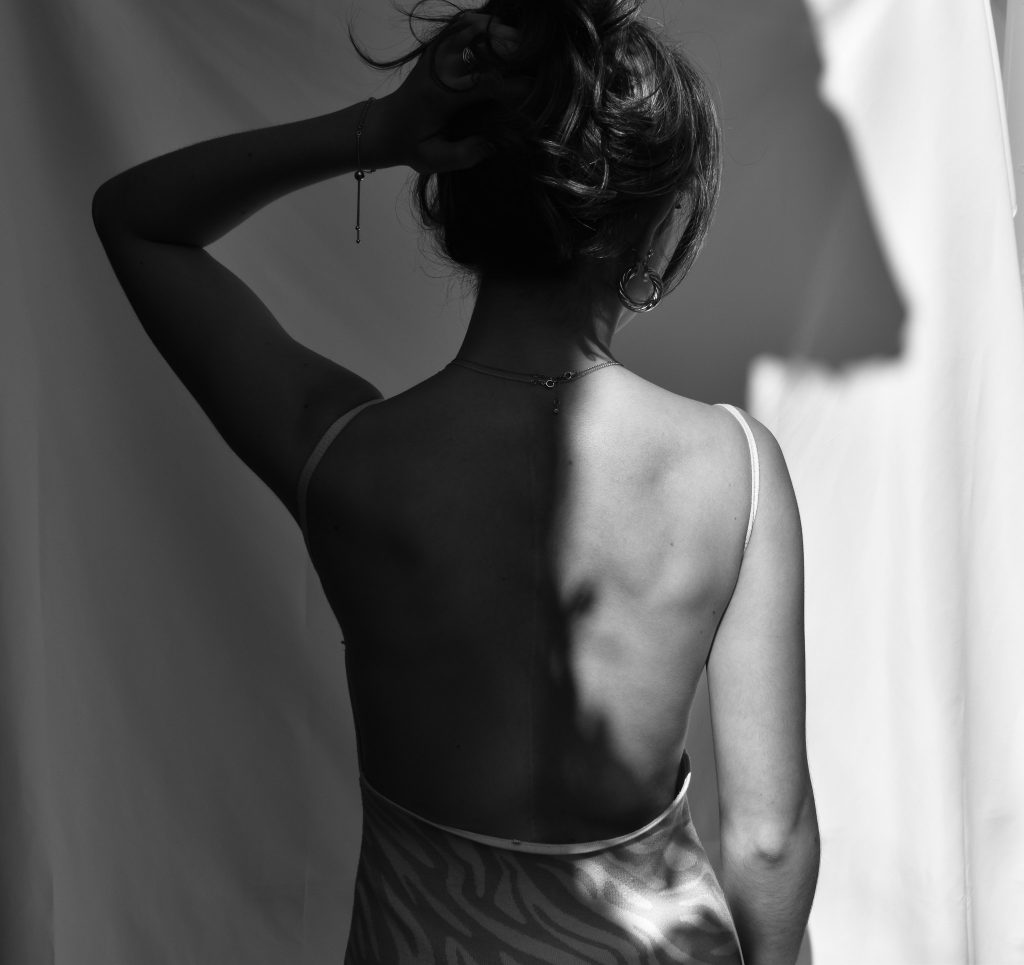
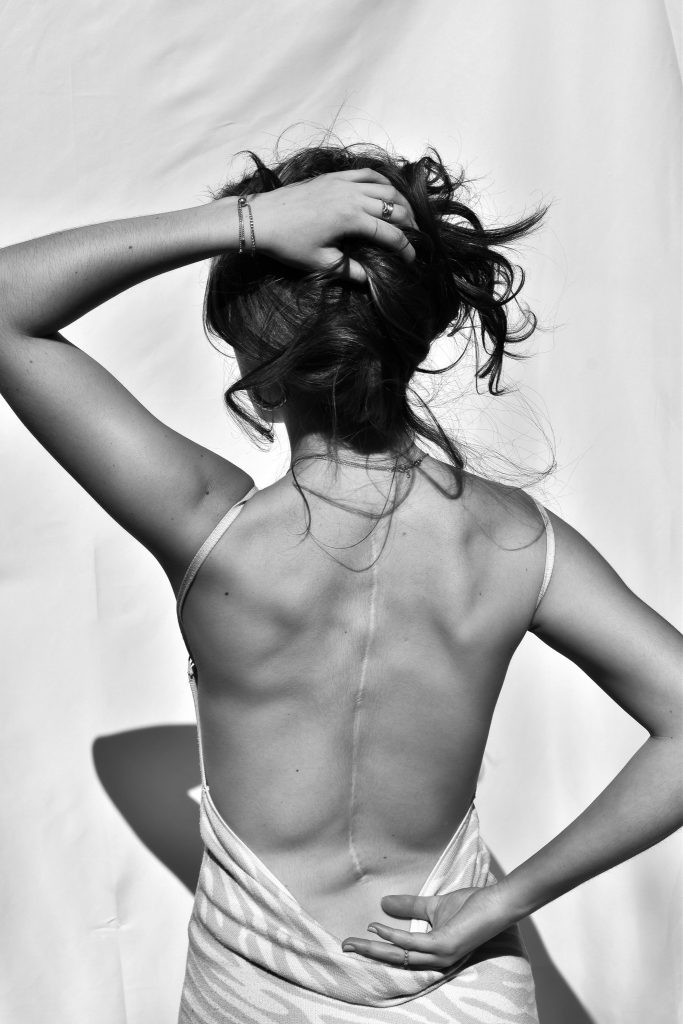
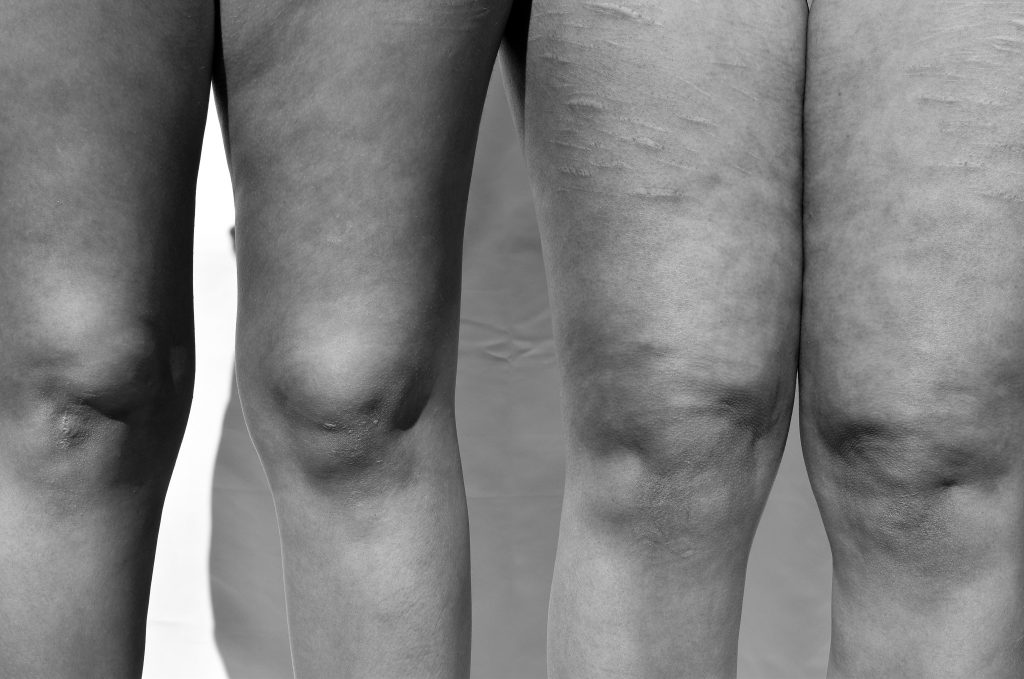
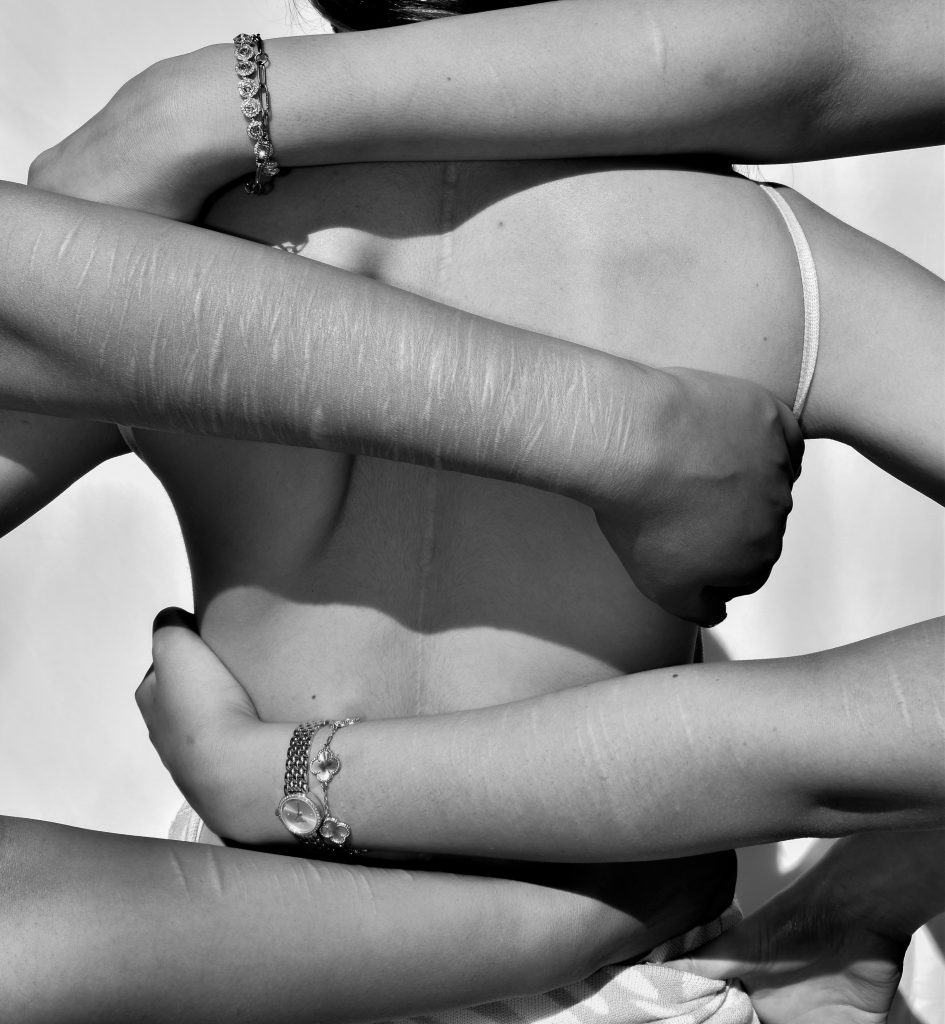
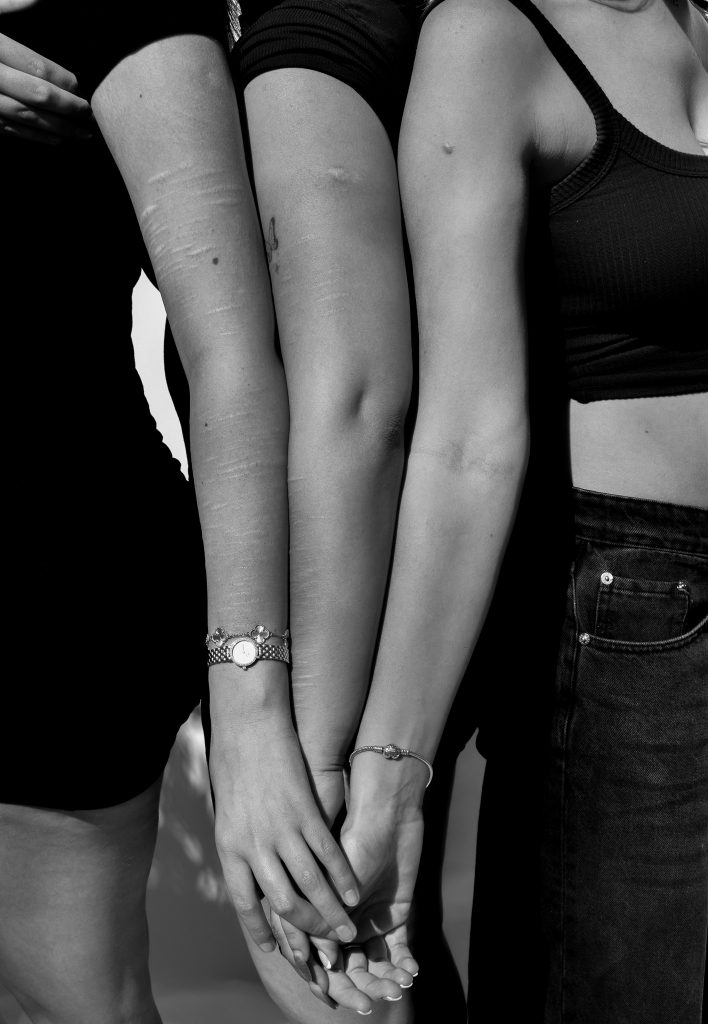
This project includes images of real scars and personal stories of healing. It honors the beauty in vulnerability, but we acknowledge that this content may be triggering for some.
BEAUTIFULLY BROKEN
When the world teaches us to hide our scars, Kintsugi offers another way; to mend with gold and wear them proudly. Through the work of ceramicist Naoko Fukumaru, a story about finding beauty in brokenness unfolds. Esther Platts investigates.
“When we are broken we want to put all our broken pieces back together and sometimes we don’t place them back in the exact same position but there is meaning and there is beauty in that”
– Naoko Fukumaru
“I WAS TRAINED TO MAKE INVISIBLE SCARS”
– Naoko Fukumaru
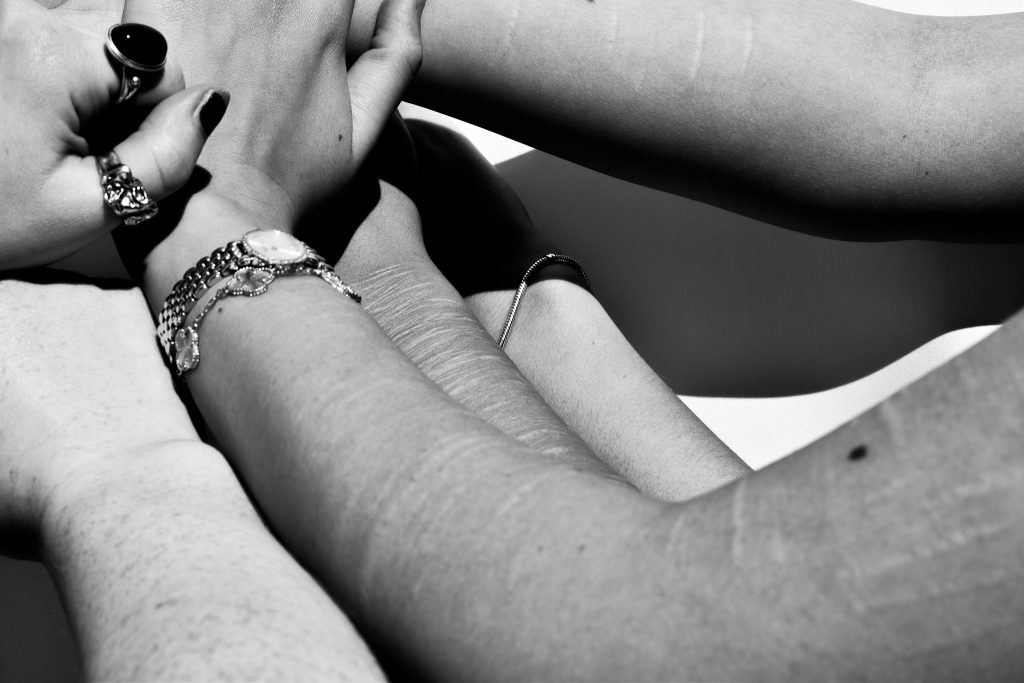
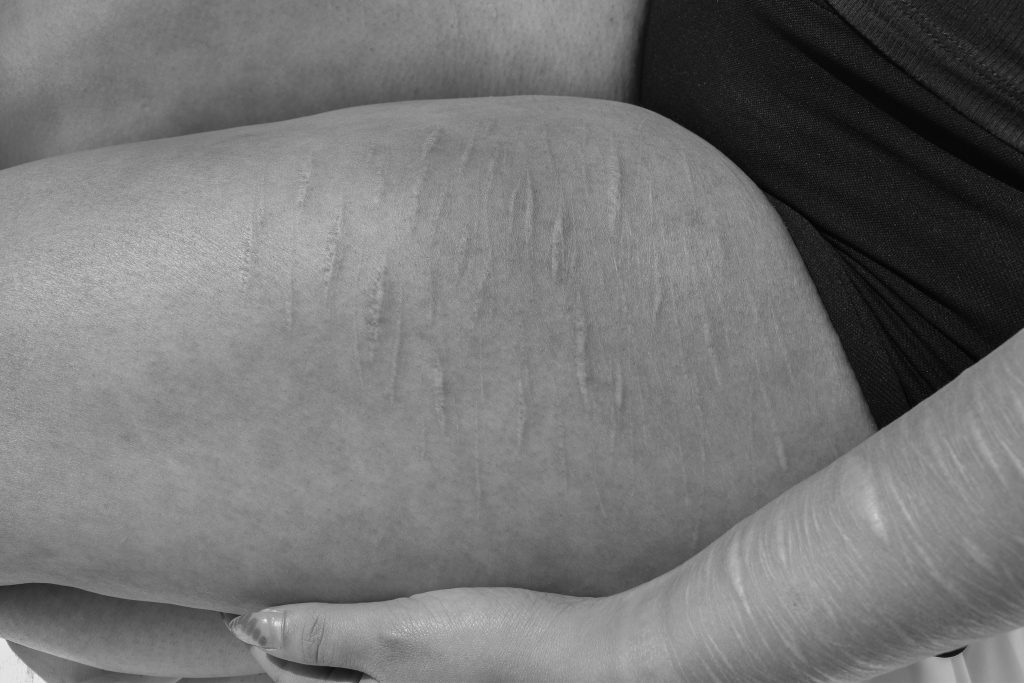
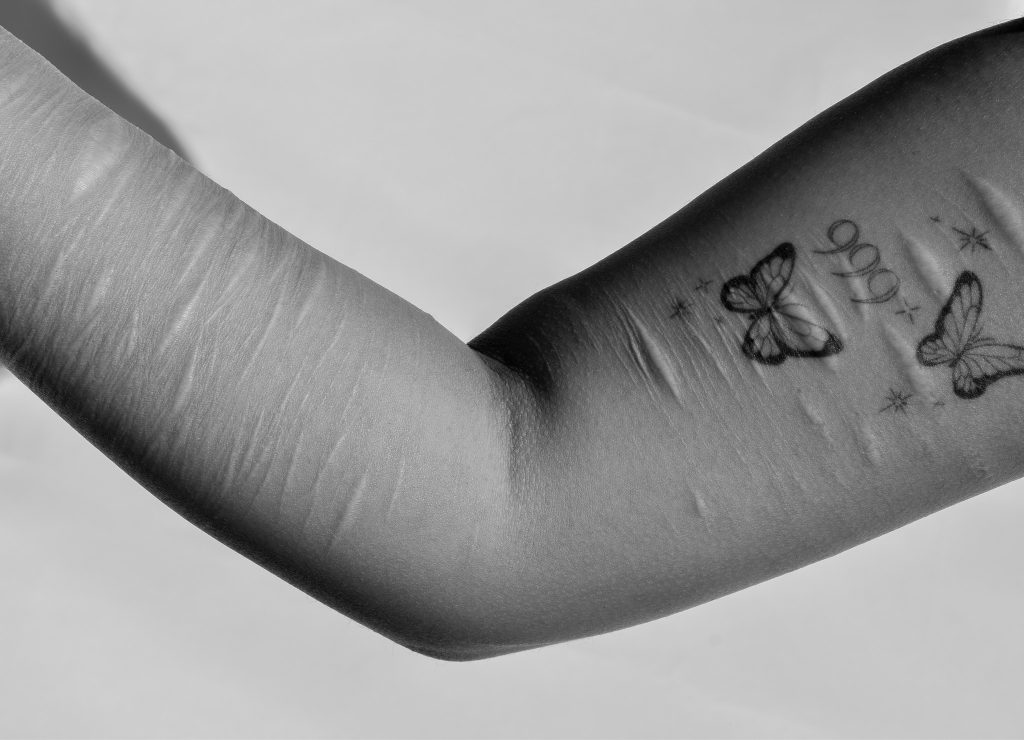
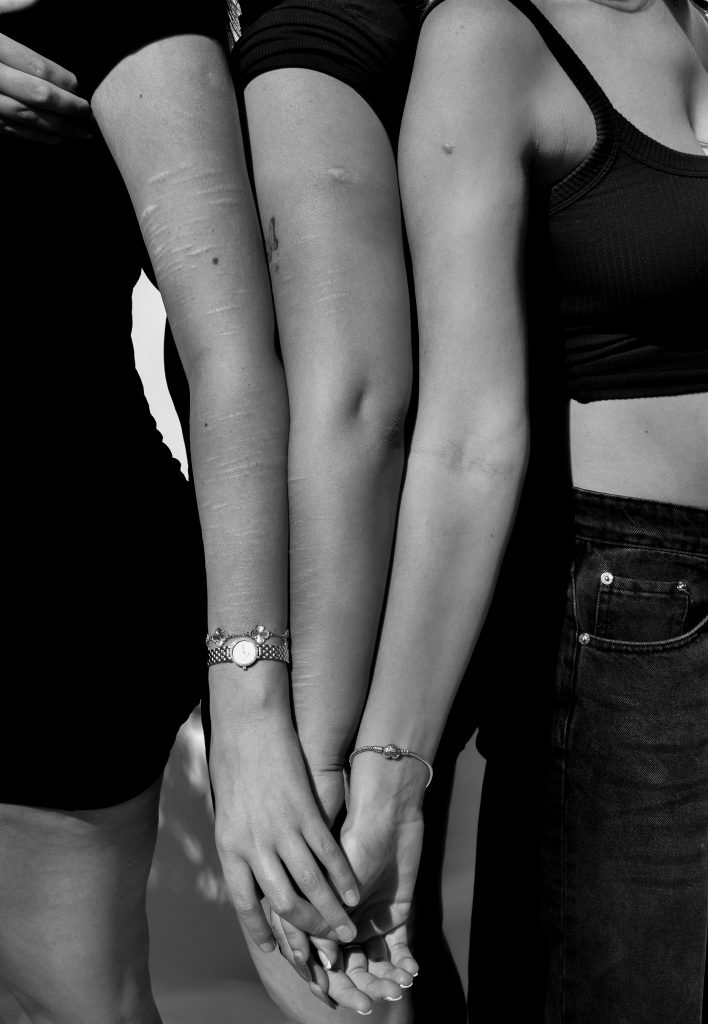
When the human body’s natural propensity is to produce raised reminders of personal history, invisibility becomes an impossibility.
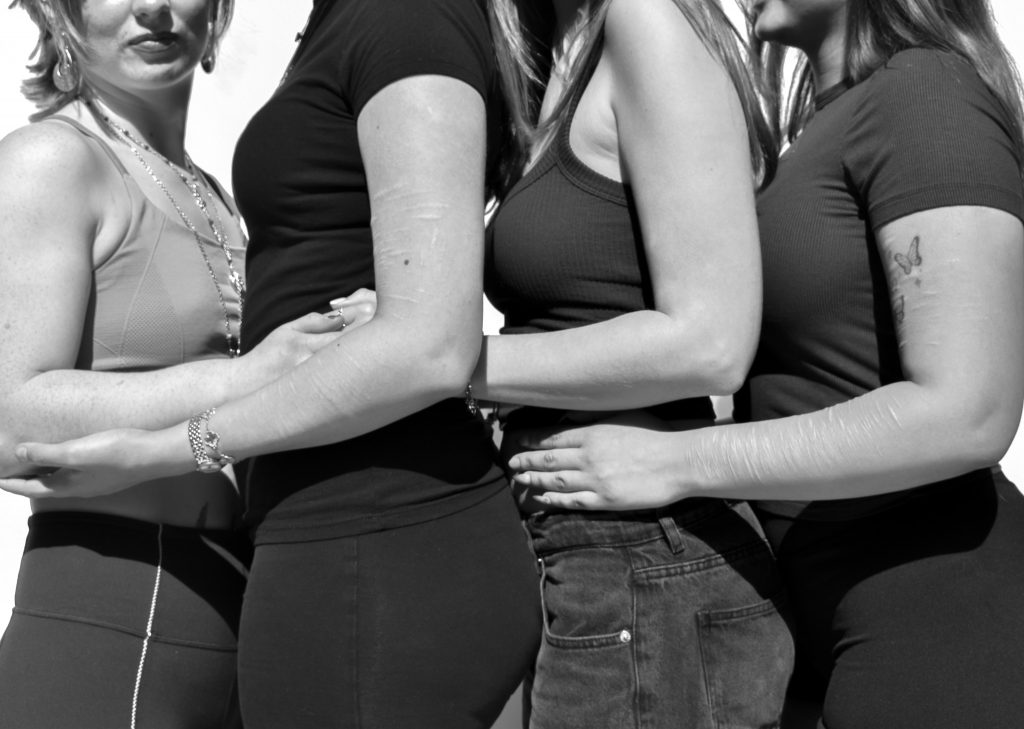
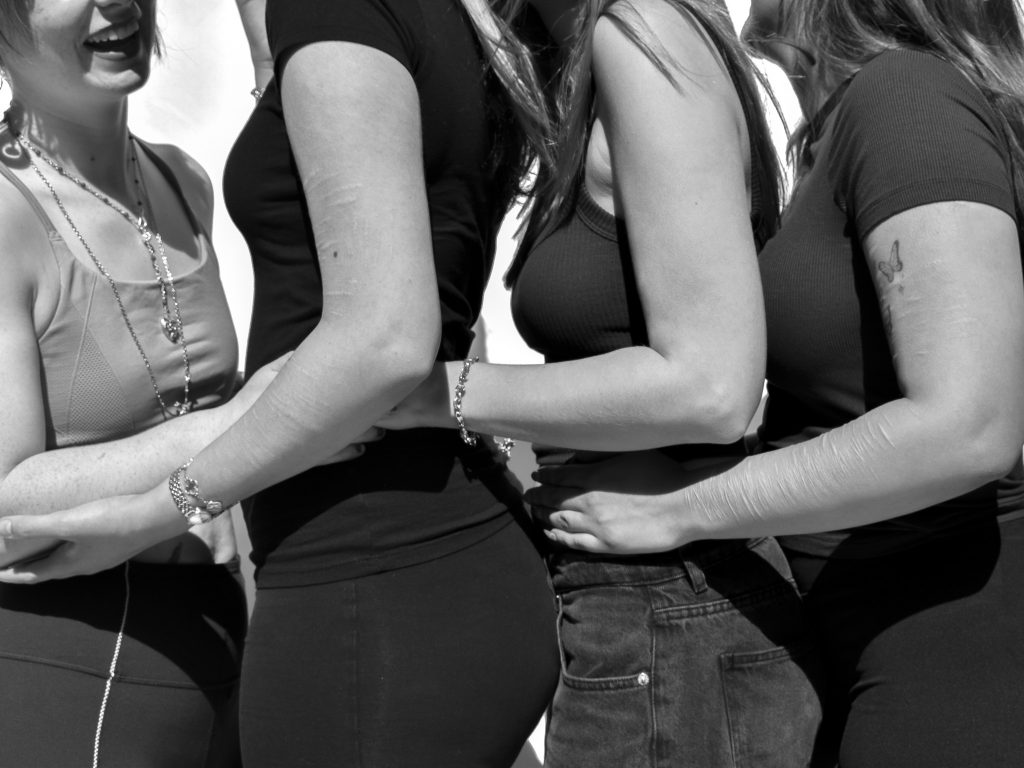
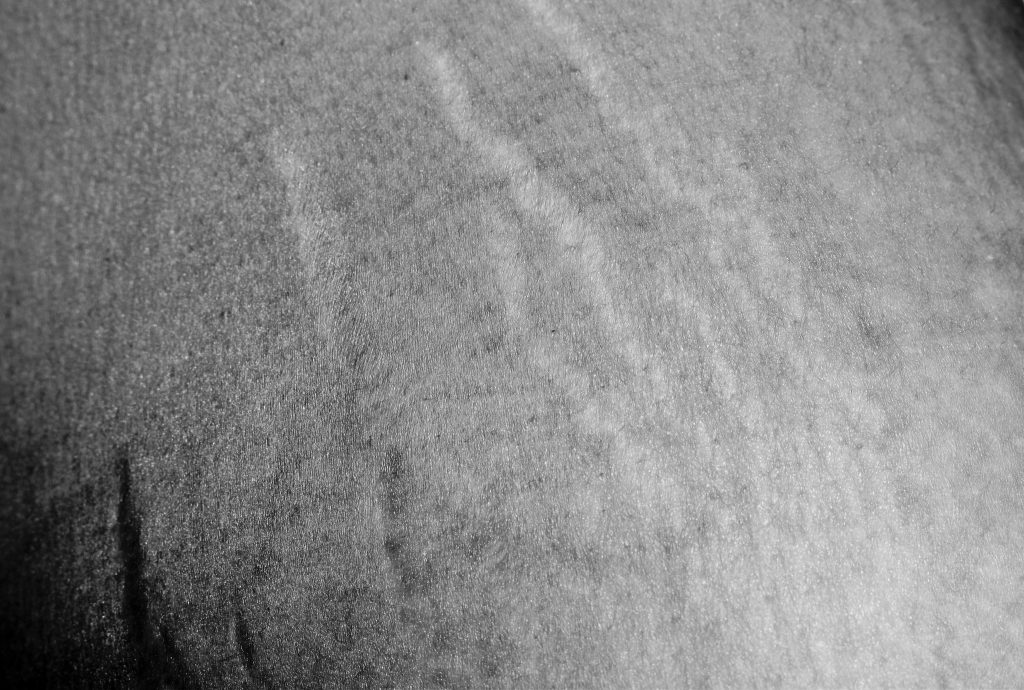
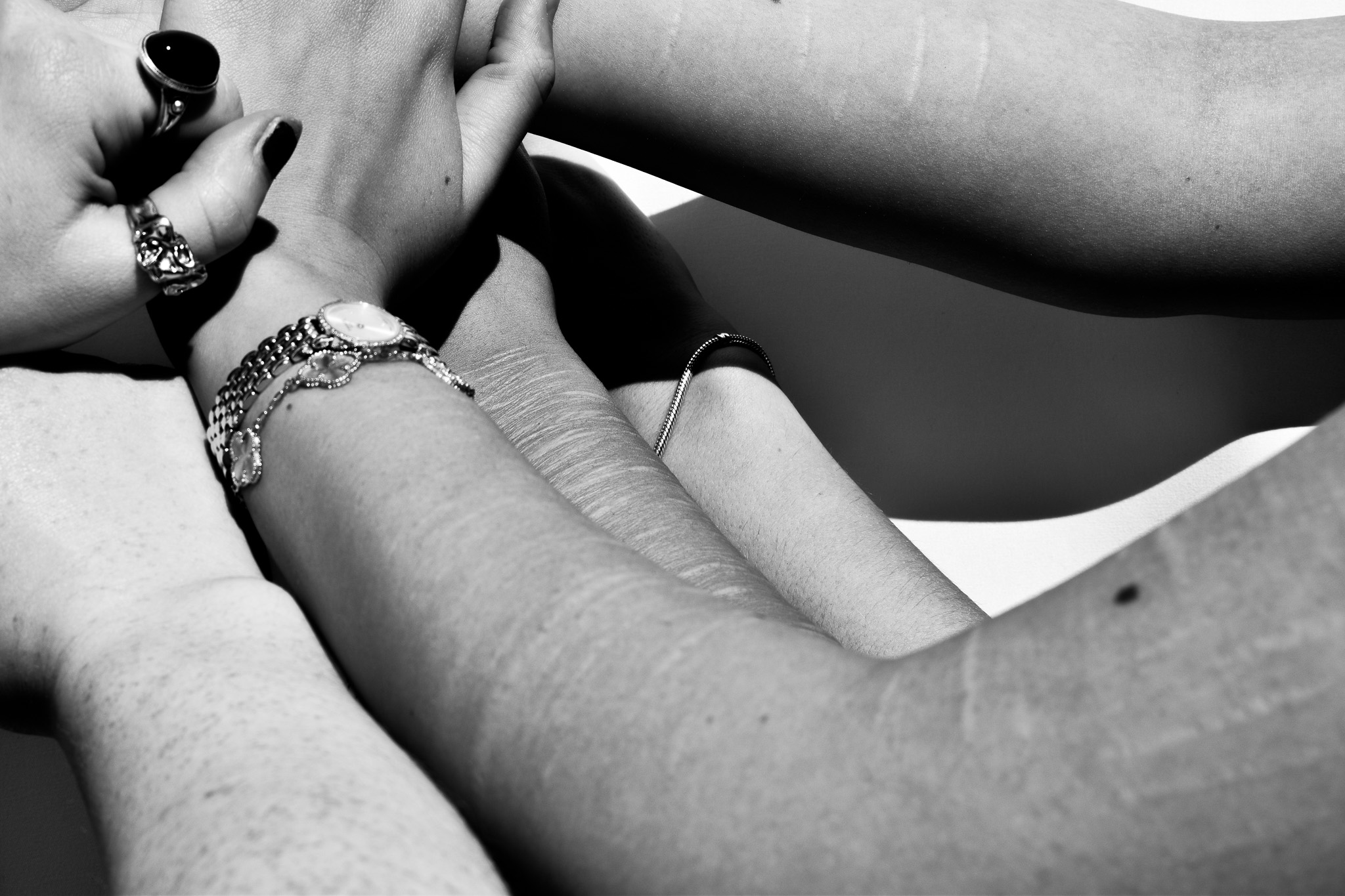
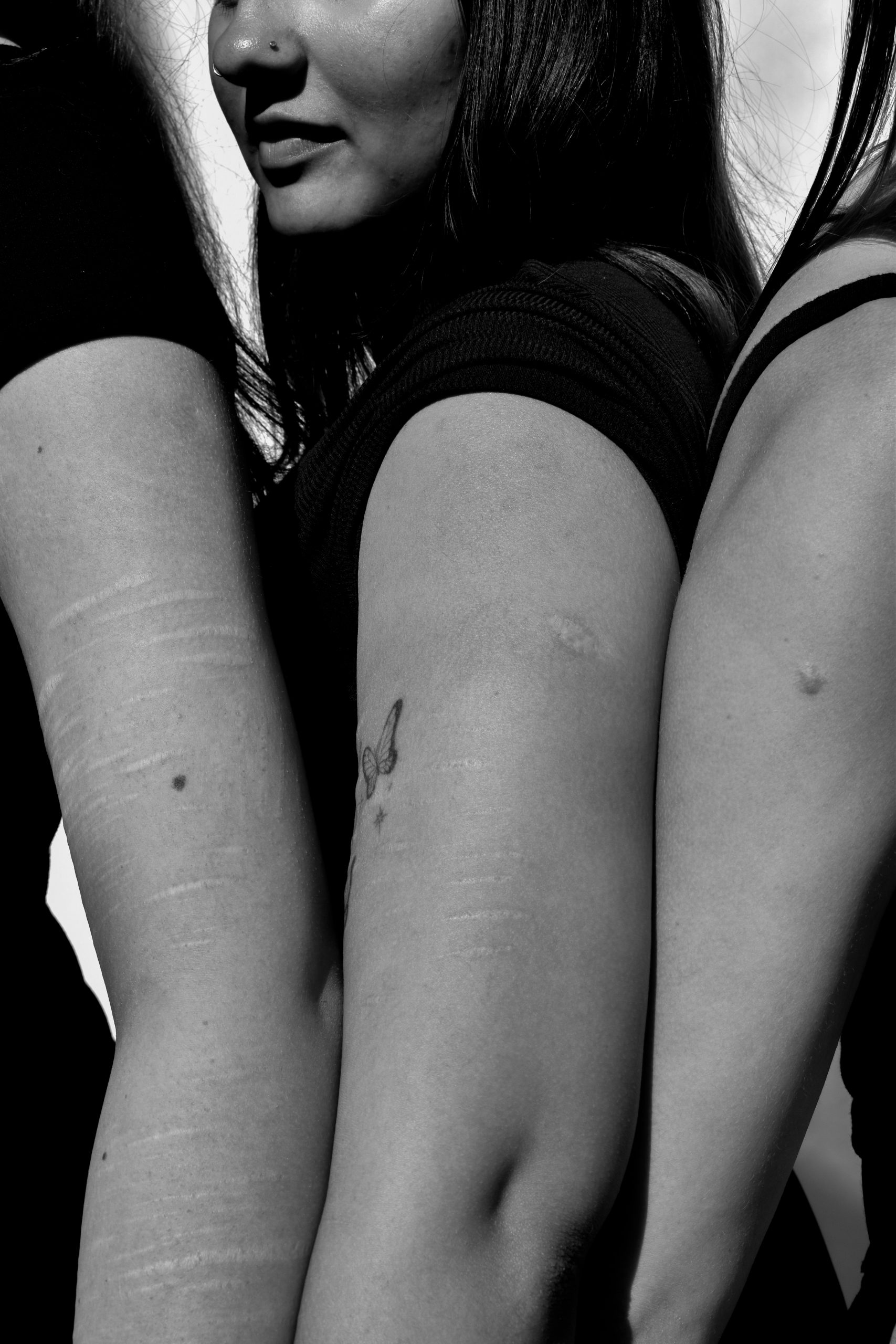
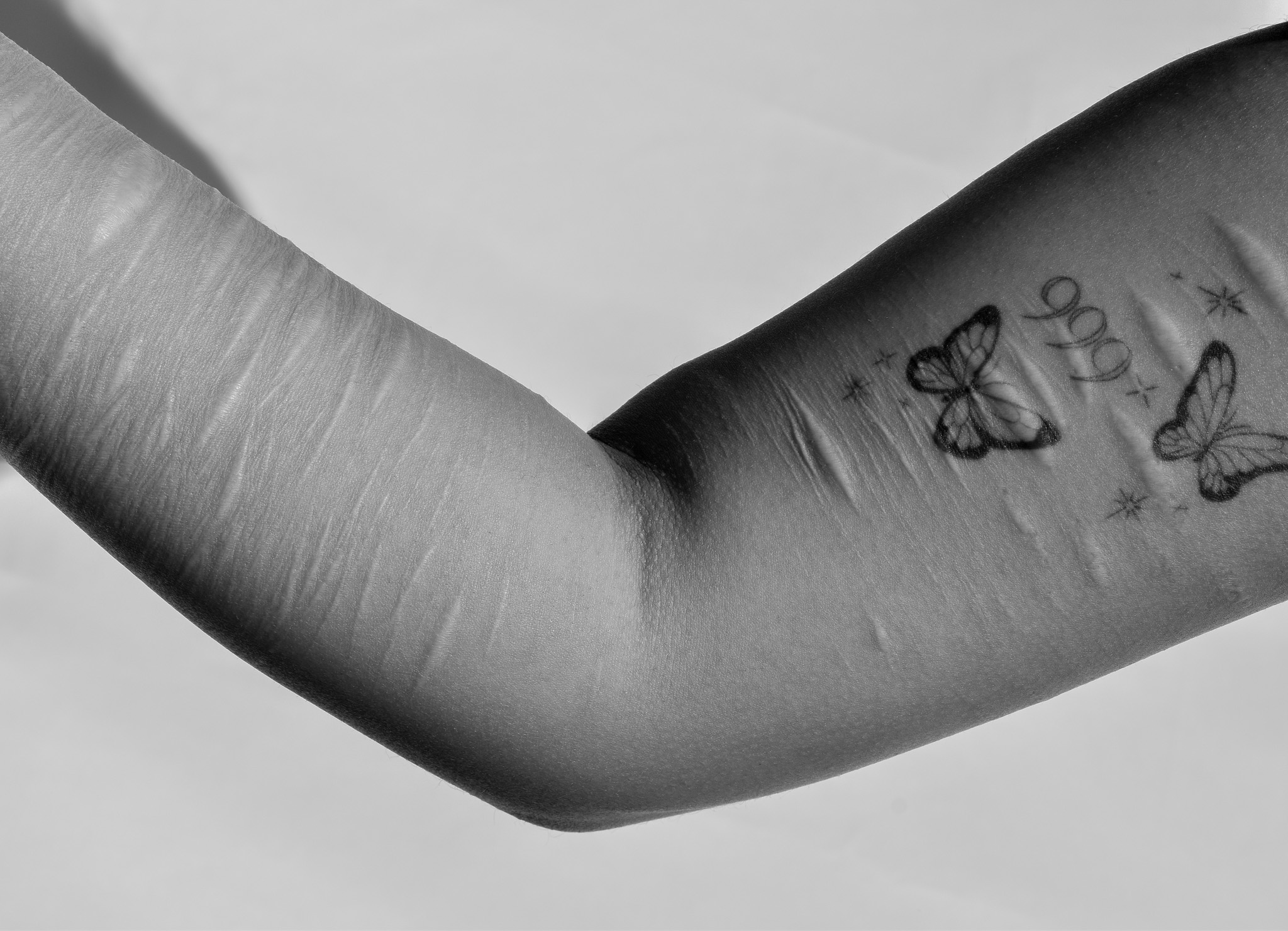
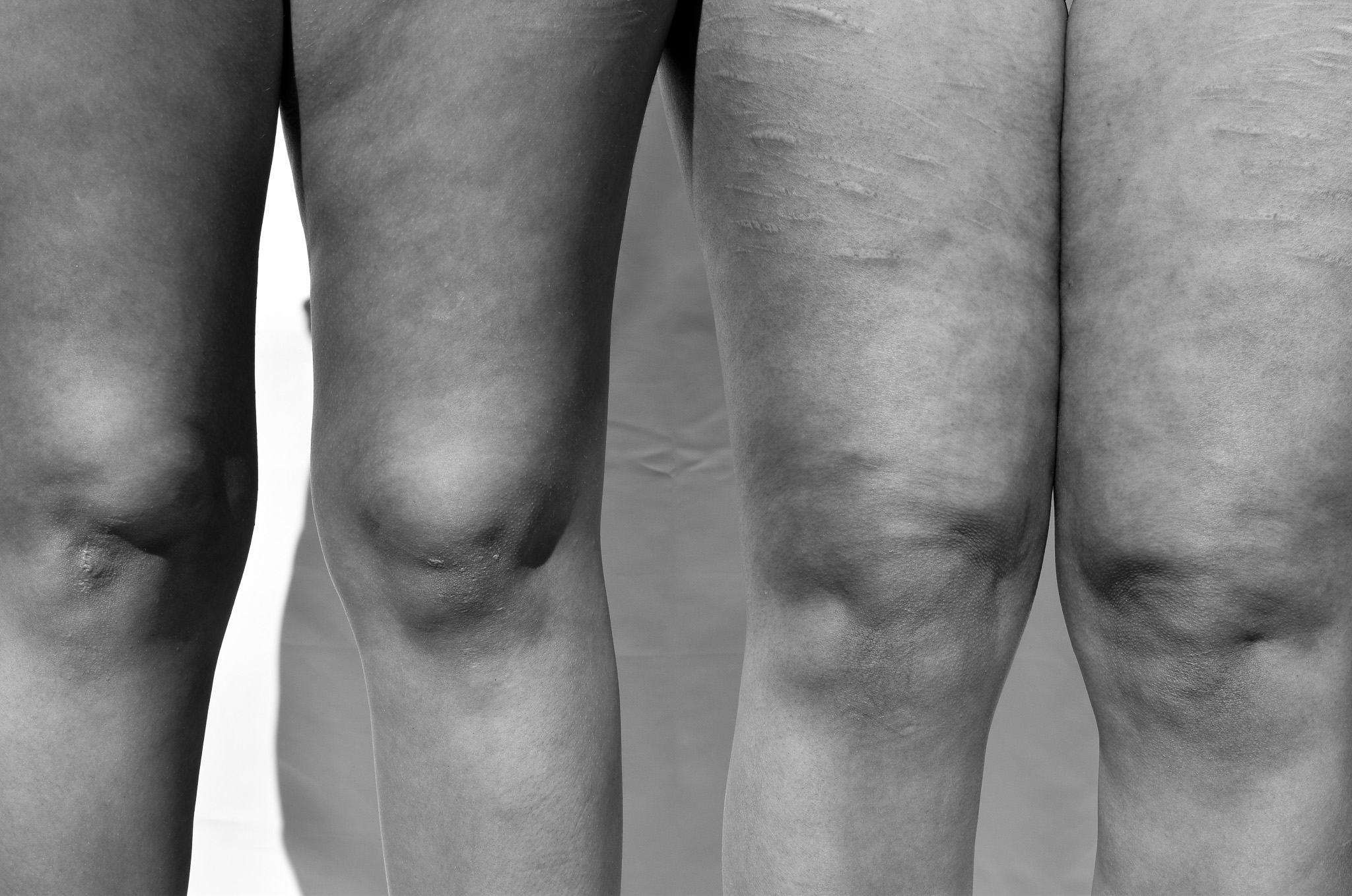
Scars are the body’s way of replacing lost or damaged skin with inflamed, fibrous tissue. They become integral to the landscape of the skin and serve as visible reminders of trauma, self-harm, and surgery.
Due to having a scar myself as a result of an operation, I’m sure many would agree that the process of gaining a scar, whether mental or physical, is a deeply intimate experience. It’s as if the journey is mapped out in the grooves of the tissue, stimulating memory by simply tracing your finger along the trigger lines. Now, emerging from the experience as a different, yet more confident person, I was eager to learn about others’ paths, others’ grooves—others’ understanding of their own trauma and associated scars.
My research led me to stumble upon a phrase on a website: “beautifully broken”. It was as if years of feeling had been neatly packaged into two words. The curator of this phrase is Naoko Fukumaru, a prolific and innovative ceramicist of over 28 years. Her craft began with traditional Western European ceramic repair techniques, her love and skill perhaps stemming from growing up surrounded by fine arts and antiques—being born into a third-generation auction house family in Kyoto, Japan.
Six years ago, Naoko moved to Canada and her life veered onto an unexpected and irreversible path, set in motion by the most unlikely means.
After 21 years, Naoko’s marriage started to break down and she had to leave. She said she experienced feeling “broken… it was the bottom of my life.” The mental scars were taking a toll on her well being. And then one day, almost as if by fate, an email entered Naoko’s inbox:
“I’m sorry that I missed your Kintsugi workshop. I want to learn Kintsugi from you—please put me on your waiting list for the next one.”
Naoko laughed as she retold this story to me over Zoom, from her ceramic’s studio in Vancouver to my shoebox bedroom in London. She had never done Kintsugi before. Ever.
“BECAUSE I WAS SO BROKEN, I WAS LOOKING FOR SOMETHING TO GRAB.”
– Naoko Fukumaru
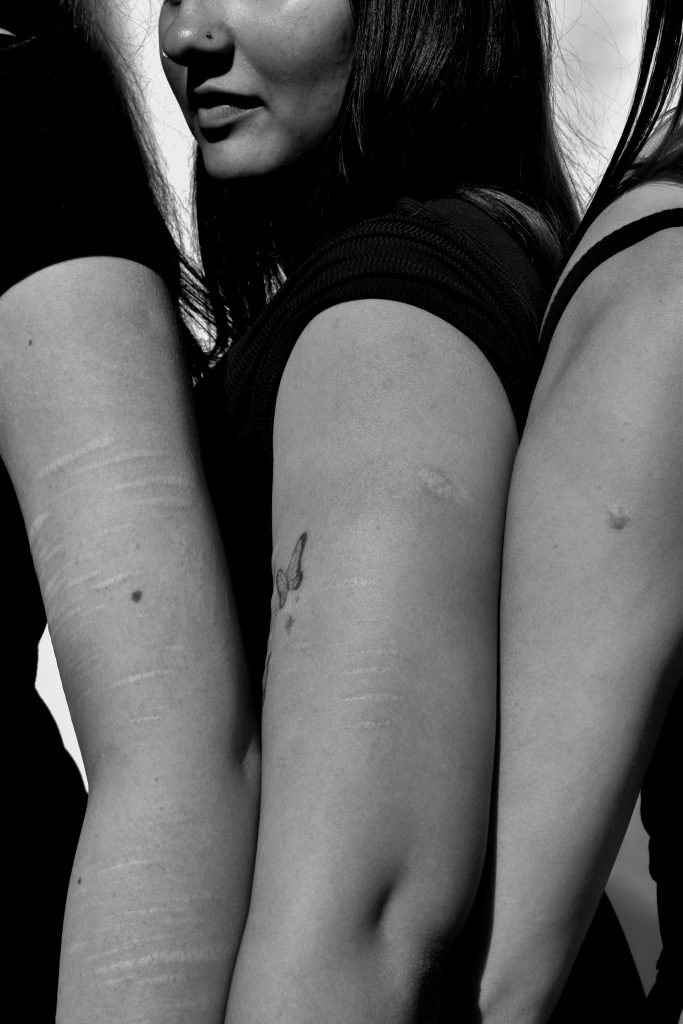
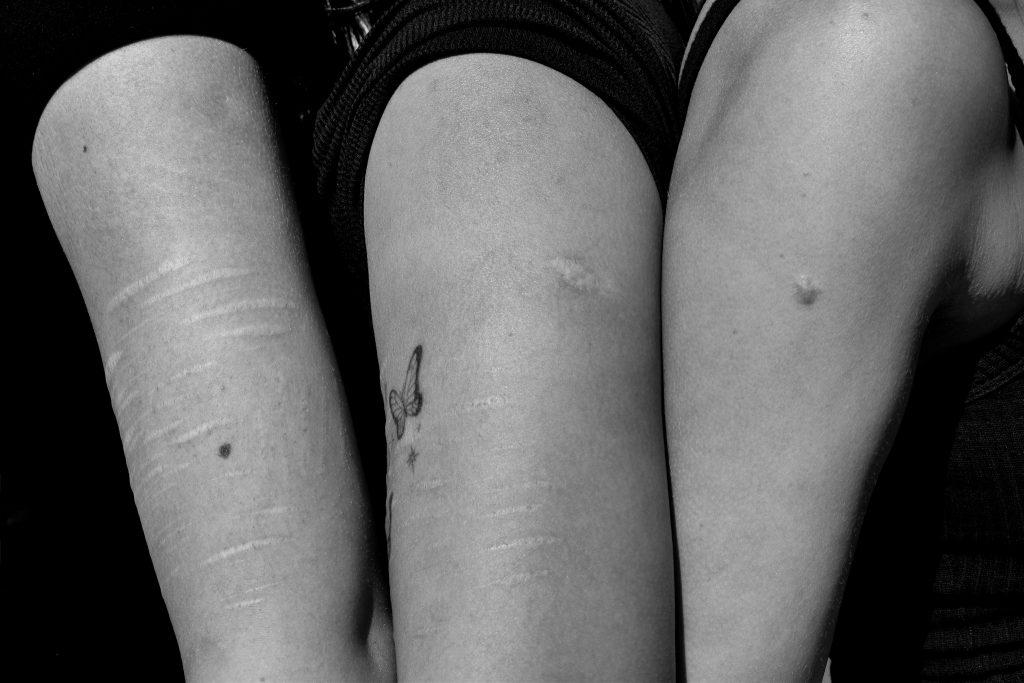
It was as if destiny was rearranging the pieces and slotting fractures into a meaningful whole. From that moment on, Naoko began to research and practise the art of Kintsugi. And as she became increasingly proficient at healing broken ceramics, so too did she begin to heal herself.
Kintsugi is the 500-year-old art of mending ceramics using urushi, a natural lacquer, to strengthen the fractures, covering them in brilliant gold. It is not only a practice but also a philosophy rooted in Wabi-Sabi; the Japanese aesthetic that finds beauty in imperfection, impermanence, and incompleteness.
As in many rapidly industrialising countries, new waves of technology have caused ancestral techniques to fade. The resurgence of Kintsugi can be traced, in part, to Japan’s frequent earthquakes. These natural disasters not only break ceramics but also bring grief and loss. Kintsugi became a way to restore shattered pottery, and simultaneously, a way to heal the emotional fragmentation left behind.
Naoko explained that Kintsugi is “deeply penetrated within our culture,” and that for people like her, it’s important to share this mending philosophy with the world. “Kintsugi concept should be internationally applied,” she said.
“THAT IS WHY I AM DOING IT, TO BRING HEALING.”
The power of Kintsugi is evident from the very moment Naoko’s clients receive their restored piece. They witness for themselves that “brokenness and imperfection can transform into something beautiful and special.” Through this artistic process, people are offered a tangible vessel for Kintsugi’s philosophy. They see that they “can make a mistake and have compassion for themselves and others, knowing that if we don’t ignore brokenness or imperfection, we can work on it with love and care, and then we can transform it into something special.”
Through Kintsugi, we are all given the ability to overcome our scarring in a beautiful, constructive way, gaining a new philosophy that can help us every day.
“I WILL DO KINTSUGI ALL MY LIFE. IT HAS TAUGHT ME HOW TO ACCEPT THE FRAGILITY AND IMPERMANENCE OF LIFE.”
– Naoko Fukumaru
Just as Naoko discovered Kintsugi through a chance email, I found it unintentionally, during the process of my own personal healing.
We both found something we had been looking for through the concept of Kintsugi. We both resonated with a craft that understands the beauty of brokenness and imperfection. We both connected to this art form, just as Kintsugi connects ceramics together.
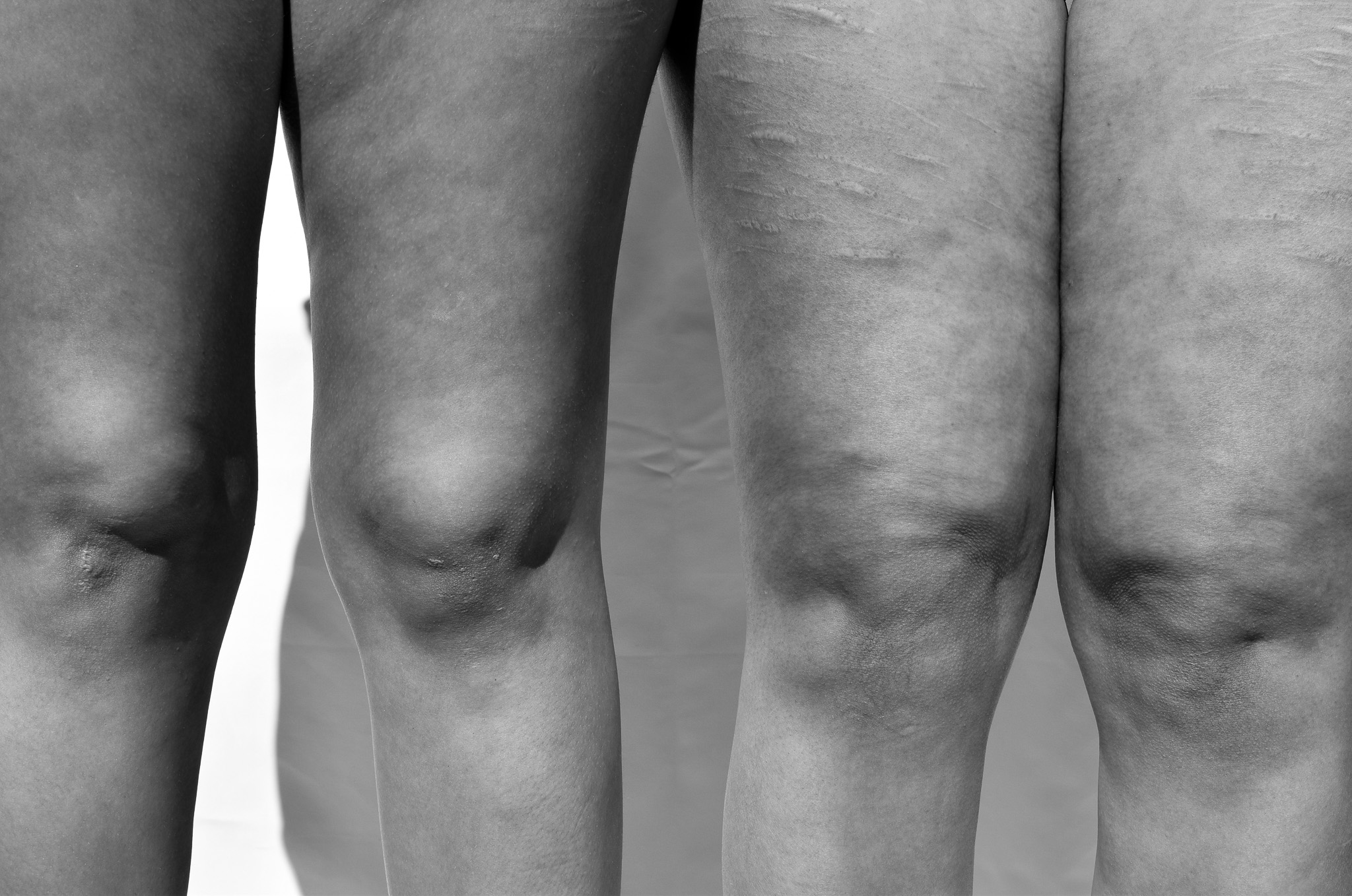
Naoko may have been trained to make invisible scars, but after hearing her story, I have never wanted to make my scar more visible.
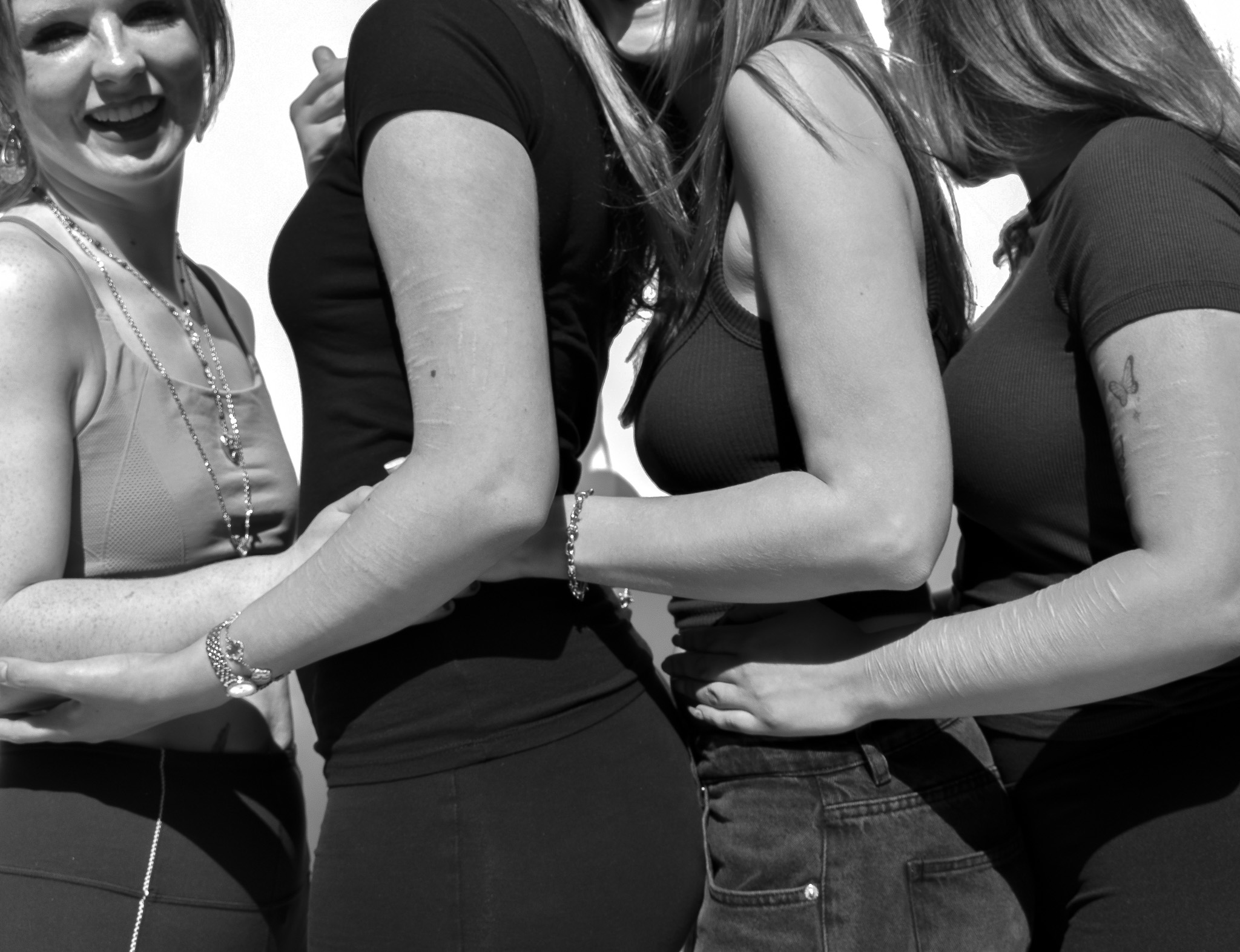
Documentary
Kintsugification
This section of the website explores the author’s (that’s me) coined concept of ‘Kintsugification’ where objects, besides ceramics, can receive the same healing process of Kintsugi.
In the examples below, still images of my models have been ‘Kintsugified’ through a collage-based process that combines gold paint, digital editing in Photoshop, and scanning techniques using a printer.
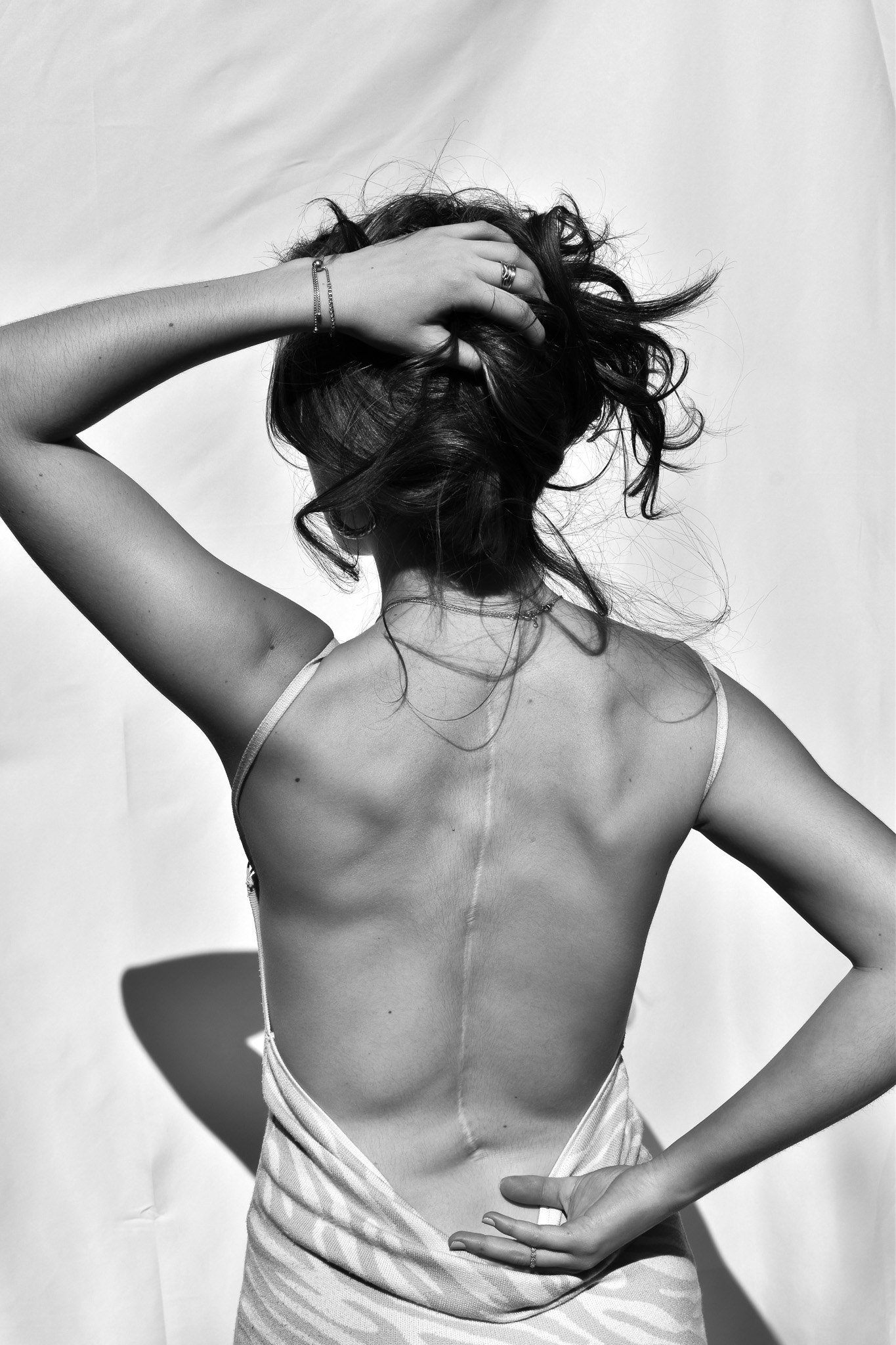
My Thing
This section will share a poem about the author’s (that’s me) own experience with having a scar and the way that it has and continues to impact my life. I hope that it is relatable for someone and illustrates that whilst concepts such as Kintsugi can help to embrace and celebrate scars, it is a complex road.
My thing.
The name of a condition that I am constantly petrified will define me. A core part of who I am and yet the one thing I wish I could change about myself. The balancing act of appearing fine versus genuinely embodying it, ensuring that I craft my existence as I wish but also ensuring I protect my body. The deflecting smiles throughout long periods of time in hospital, laughs holding my spirits together. Paranoia that I’m not ‘fixed’ despite the surgery, paranoia that I’ll ‘break’ again despite assurance.
Perhaps I now understand the Tin Man, despite others seeing me as Dorothy.
My yellow brick road is now clear and visible and straight.
The confusion between whether it is that I, myself, do not allow my identity to assimilate with disability or whether, due to my cloak of invisibility, society controls my perception. The emptiness of not wanting to take up space where you belong, where you don’t want to belong, where you long to be understood. The constant questioning and illegitimatizing the facts of my body. Is this pain normal? Is this so tiring for everyone? Will I be ok if my back is numb forever? The feeling of being alone within your own body, of being isolated and insular from the very bones that make you is to be lost in the fear that everybody can see what you see. Everyone can see the irregularity and uncertainty in your posture, the way you pull and tear at your image in the mirror. The feeling of wanting to escape your own skin, clawing at it in an attempt to rid yourself of the pain of the truth. The societal expectation that beauty is found in perfectly normal bodies makes me falter in my gate, but who was it that decided this? Who made the decision between what is and isn’t considered an impaired body? Regaining the definition of what a normal, human, body is enables identity and the understanding of beauty to be reimagined and redefined.
Perhaps the Tin Man preferred his changed identity.
My yellow brick road was meant to be walked by different versions of myself.
The parallel between an impression on one’s skin defining but also being defined by the impressionist. It is the one physical resemblance of my disability, without welcome it states who I am, shamefully hiding beneath my clothes, marking my imperfections and holding my traumas in its fibers. Simultaneously, I fear the day my scar fades to a wrinkle of time, purposefully avoiding processes to make it vanish, donning it as an intricate accessory of my skin; parading it with the essence of childish pride that accompanies winning a trophy. Parading it in the hope that someone like me sees it and understands it. Lacy, crimson ribbons artfully intertwine around my flesh, sculpting bows of structure. For how is a scar any more than an emblem, a keepsake, a beauty mark of a life lived?
Exploring the enigma of belonging, avoiding overshadowing others, resisting definition—a dance along the yellow brick road of self-discovery – the impossible battle for identity in a world so set on placing people in impossibly simple categories, ignoring the multiple factors of their personhood that work together to create their specific identity.
And despite it all I still cannot allow myself to write its name on this page. The name of a condition that I am constantly petrified will define me. A core part of who I am and the one thing, I am realising, I wish to never change about myself. I will define it.
My thing.