2020 has seen an unprecedented rise in social media activism, and with it has come a sharp increase in online racism. Grace Blenkinsop talks to the individuals left to deal with the hidden repercussions in the fight for racial justice. What feelings and long-lasting effects are evoked when racists decide to use the activist as their virtual punching bag?
2020 – a year that many would class a momentous progression for Black and people of colour. The year a colonial slave trader was pulled from its stance. The year that saw the largest anti-racism rallies since the slavery era. The year filled with handmade signs, chants and hashtags. But as the year draws to a close, and white folks begin to delete their #blackouttuesday posts from their Instagram pages, the hate against black and people of colour is yet to be silenced.
Sites such as Twitter, Facebook, Instagram and the increasingly popular TikTok have become an integral part of our lives. It’s said that 53% of us actively use social media, meaning if you don’t, you’re now in the minority. Sharing memes, fitpics and birthday wishes, these social media platforms have slowly weaved their way into most individuals’ daily routines. But with this greater connection, comes greater anarchy. A study from Amnesty International shows that on average, a woman receives an abusive tweet every 30 seconds, with women of colour being the most targeted demographic. The vast and plentiful nature of these sites makes it hard to avoid negativity when you’re going for your daily scroll, but even harder to filter it out when it’s glaring straight at you from your notification screen.
“Someone I matched with on Tinder messaged me calling me a ‘cotton picker'”
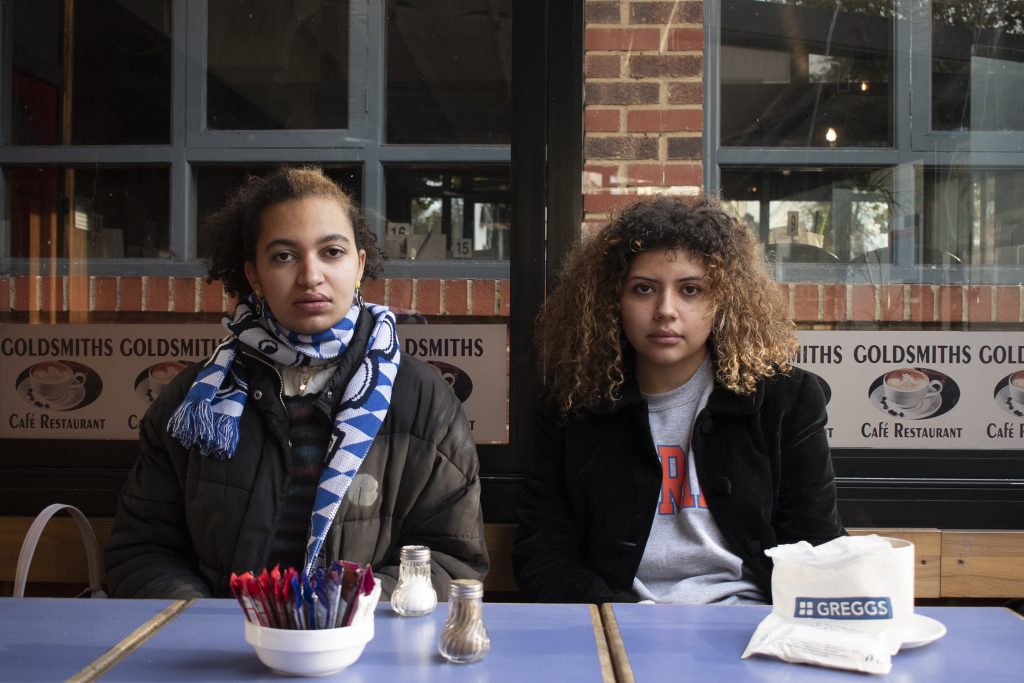
The growing epidemic of online hate speech targets minority individuals , the same way in which racism is spread in face to face interactions. But the real difference between the two, is how these virtual encounters can get into your bedroom and under your skin. No longer is the boundary between online and offline life so binary, these acts of hate are now able to strike you even when you’re sitting on the toilet scrolling through Twitter. ‘Someone I matched with on Tinder messaged me calling me a ‘cotton picker’’ says online activist Yazz James. ‘I just don’t understand how people have the time of day to be so disgusting to someone they don’t even know’.
Could it be that the mask of the cyber world makes people less afraid to say hurtful things unprovoked? Does this faceless identity protect racists from the real life repercussions? Or perhaps it’s a means to vent – this year has taken the focus off the ever prevalent pasty white glare and suddenly their world comes crashing down? ‘I couldn’t help but think that all the sudden support of BLM from white people may have encouraged this racist behaviour in a polarising way’ Yazz adds.
“I had one particular troll who would send me pictures of the Klu Klux Klan”
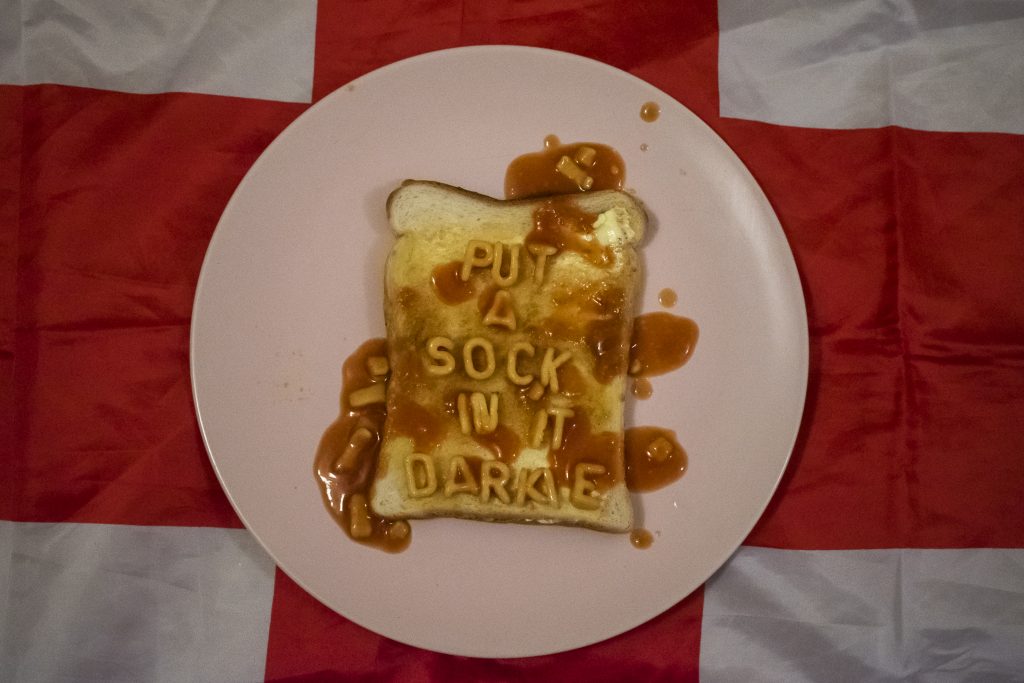
An online activist who prides herself on being vocal in all types of political and social debates, Che Heron, spoke to me about the hate speech she has been receiving over social media. ‘This year has been particularly shocking – usually I would only experience hate from Britain First type guys that I get into debates with on Twitter – but this summer I had one particular troll who would send me pictures of the Klu Klux Klan and constantly call me slurs.’
But isn’t this just free speech, some would argue – we’ve been given this right for a reason, so why would we not be allowed to say what’s on our minds? Right? With this notion however, we must ask ourselves this – where do we draw the line between freedom of speech and hate speech? And who is this so-called line drawer? ‘I hate this kind of privilege, often white privilege, notion of free speech debates where we can air bad ideas, as if those ideas don’t come from somewhere harmful’ says sociologist and expert in racism in the far right, Aaron Winter. ‘I also think the airing of bad ideas is a performance not actually a real, real attempt to be critical’ Winter adds.
“Existing somewhere that very much caters for and is centred around white people means our feelings are mostly neglected”
Within this free speech debate comes the idea of white space – what are the boundaries between white and non-white space and how do these spaces affect the spew of hate speech? ‘For me, white space is defined by institutions and spaces of power, governed by white people and authority, operating under white assumptions and logics’ says expert Aaron Winter. However, these spaces come in many shapes and forms: be it that whitewashed neighbourhood in your hometown or the supposed diversity in your university or work institution, these spaces will chew up and spit out anyone that doesn’t fit its regime.
Che tells me how ‘occupying white space as a person of colour can be extremely distressing. Existing somewhere that very much caters for and is centred around white people means our feelings are mostly neglected’. If I ever bring up the discomfort felt in these white spaces, I am immediately gaslit into feeling I’m overreacting’
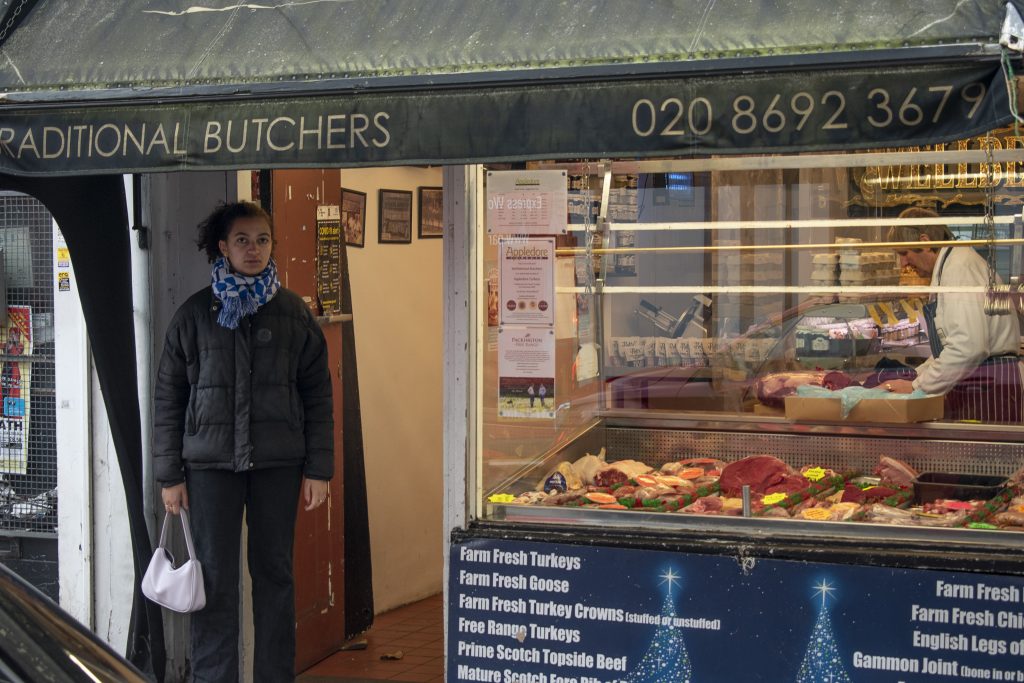
In visual terms, white space online is very prominent. The virtual plains of the online sphere are populated with millions and millions of white pixels making up a white space, that also tends to be governed by white ideals and assumptions. Yazz James comments on the prevalence of these white spaces in the digital world: ‘if you think about what is considered to be a part of white popular culture like indie music or certain types of films, these kind of social circles can be found online and are quite isolating and exclusive’. It is clear that people occupying these online spaces have one motive: to alienate and oppress. ‘When I’m having discussions online, be it about film or music or politics, my race is nearly always brought into it’ says Yazz.
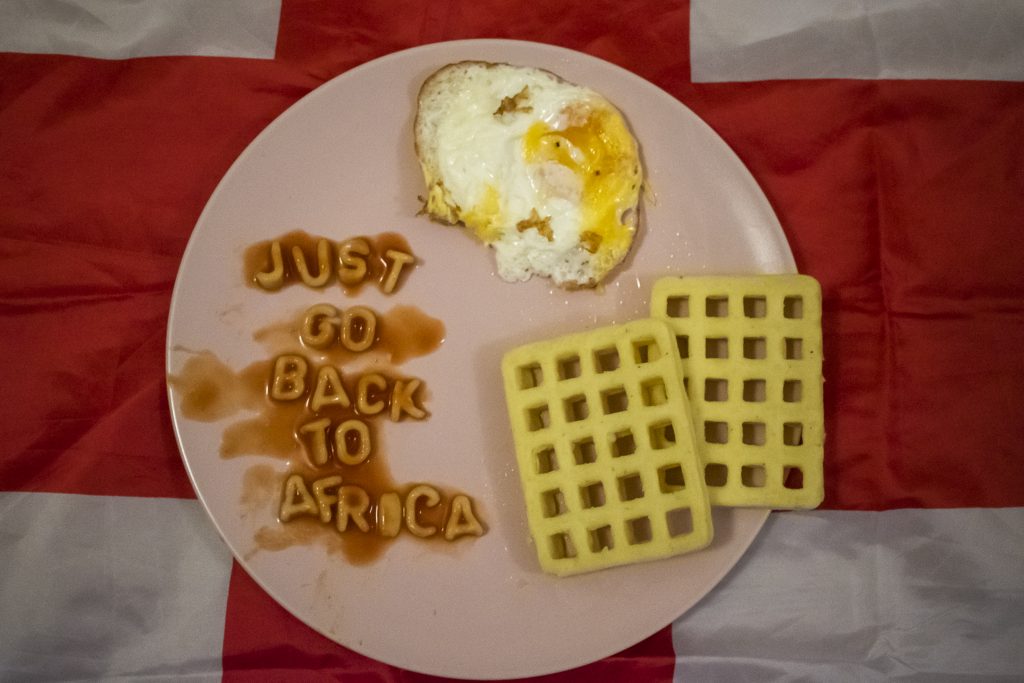
Whilst racists will continue to spew their virtual puke on most realms of the internet, the fight to prevent it is going strong, and the work of activists is going even stronger. This year more than ever, Black and people of colour are determined not to let bigotry hinder their work for desperately needed political and social reform and the desire to express themselves unapologetically online. We must strive to listen, empower and uplift the voices of Black activists and call out those who attempt to silence them. Black Lives Matter, always.