The pandemic has meant that thousands of events weren’t able to go ahead, Jake Poll investigates what this means for the people working in the industry and their future.
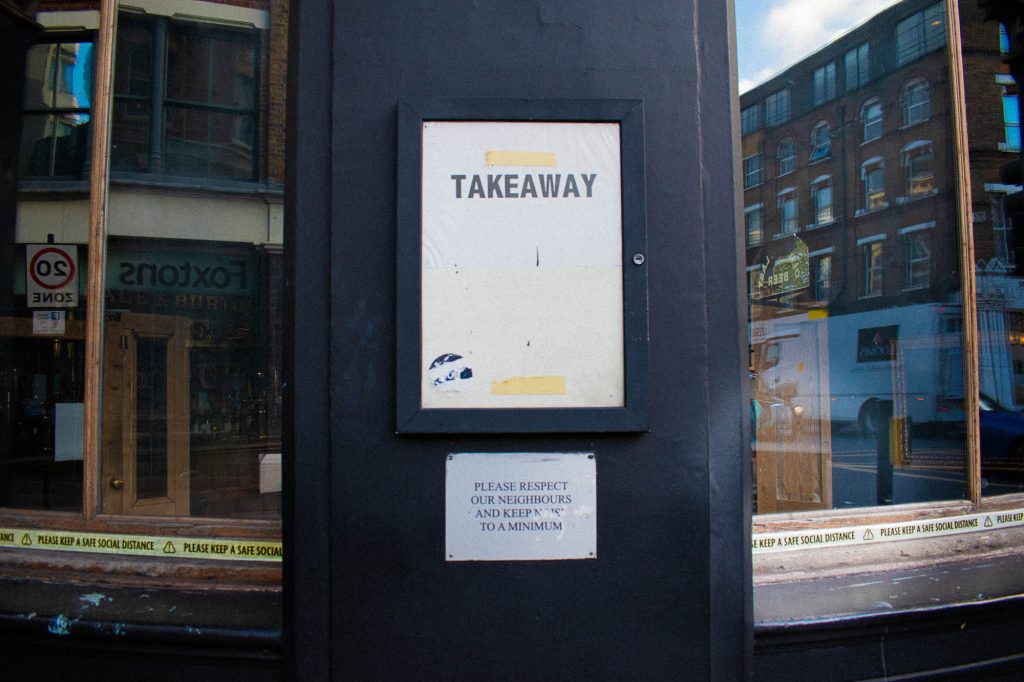
This time last year, there would be a huge queue of eager gig goers at The Lexington, who were desperate to watch new groundbreaking bands or cult favourites. Today, due to lockdown, on a chilly Friday evening, there is no one to be seen. The empty bar, of which all the beer taps have stayed wrapped for months, is a vision of disappointment. This is a world away from the relief of stepping inside of a warm cozy bar and seeing friends after a hard work week on a dark November night. There are no customers, no band and no staff. So for the average music fan, this isn’t the best time. Right now, the venue is at real risk of closure, along with 29 others. The Music Venue Trust has launched a campaign to #SAVEOURVENUES. The amount needed to stop the closures is £1,750,000. Boris Johnson has recently announced £16.5 billion worth of extra funding for defense. It is easy to understand why people in the music industry don’t feel valued. Venues such as The Lexington and Boom in Leeds host alternative music which sometimes challenges ideas of capitalism. They are a hub for punk, hardcore and alternative music. Along with anti capitalist resources being banned in schools, alternatives to neoliberalism will not be able to be accessed so easily, which some might say makes the country feel less democratic.
Live music events, of whichever genre, are a space in which people can blow off steam; they can dance, they can drink and they can just be transported to another place by consuming this art. For heavy music, the live event is much more intimate; the music is louder, the venues are smaller and the experience can be more violent and visceral due to the close proximity of attendees and nature of the music. This atmosphere is as perfect for Slayer fans as it is for an airborne virus, so naturally, it makes perfect sense for these venues to be closed until it is safe for them to reopen. The majority of people who work in music venues have been furloughed but what does this mean for people who don’t work as bar staff and managers? What about indirect jobs such as roadies, band managers and PR?
One of the people who hasn’t been eligible for furlough is Jak Hutchcraft, a musician and podcaster who’s main job is music journalism. For him, the situation has been disheartening; “My job has been affected because less people were releasing music, I have a monthly music column on Vice and a lot of people who I interviewed postponed releases by a few months or even until next year. A few magazines that I write for stopped commissioning, cos I’m freelance, I rely on pitching to different publications and they froze their pitches for 2 months. Vice froze their pitches for 6 weeks and because its such a unique platform, my ideas didn’t land anywhere else. There was issues where certain editors were looking for articles about covid 19 and others wanted nothing to do with the pandemic because they’d overdone it. There was a point where all journalism was just done in house. In a way, freelancers prop up these magazines. They rely on freelance artists, graphic designers, editors and writers. I felt a bit forgotten about. I didn’t get furlough because I’m freelance and I wasn’t getting commissioned, it felt offensive, almost like, hold on, I’ve been writing for you for about 7 years and all of a sudden they weren’t taking pitches, as though I was nobody.” Jak was able to harness this situation and focus on an end goal; “To put a positive spin on it, I want to write and do creative things full time, that’s my mission; to write, make documentaries and make music. With this pandemic, its made me have to do it, as its my only source of income. Whereas before I had other things to help. Its been a baptism of fire, but now, I’m fully sustaining myself with writing, which is where I want to be, despite a few difficult months.”
Josh Baines is the lead guitarist in Sheffield metal band, Malevolence. “Usually we’d be on tour, not really at home very much, which has been a huge change in our lifestyles. At the same time, having a break from playing a lot of gigs has given us a lot more time to focus on other parts of the band like writing the next record for instance or focussing on different merch ideas, to keep the ball rolling. It kind of forces you into a different mindset.” Some small bands and artists have been playing small, socially distant shows, most of which have been booked at The New Cross Inn, these have been shows played by artists who have songs that work in that space. When asked about this, he said “Does it translate?, if you play super heavy music, its weird because the crowd vibes off the band going mad, the atmosphere’s crazy, its intense, so if you’re sat a table with a beer like you’re in a pub, its not really the same if someone’s shouting their head off at you, its a bit awkward.”
101 Part Time Jobs is a Podcast made by Giles Bidder, in which, he interviews smaller punk rock and indie bands about how they manage to stay afloat when they aren’t touring. “Going into lockdown I had 20 episodes in may over 3 years, now, over the last 6 months I’ve done 60. During the pandemic I’ve been able to build an audience. No way would that have happened before covid.” For him, the pandemic has been helpful because of people being at home, whether that is musicians that he’s interviewing or his audience. People are missing live music and the constant stream of new releases, so this is a good way to fill that void. Podcasts also feel intimate and people can learn a lot about whoever is getting interviewed, they bring you slightly closer to that person. Giles thinks this is a key part of being in a band in 2020. “Bands have to show their personalities to show what makes them interesting and then be able to deliver that online.” Bands who succeed or manage to have a cult following have done so by creating a brand online with a sincere message and strong aesthetic. The pandemic has given artists the time to do this.
Looking to the future, Jak is hopeful; “I’ve got a feeling it’ll come back with a bang, I know some venues haven’t survived, but that kind of artistic entertainment, the need is still there, people still wanna play gigs, people still wanna watch gigs hopefully now more than ever”.
To support the #SAVEOURVENUES campaign click here.