Today, I will be talking to students Reshma and Marco about their relationship with Music and identity.
Reshma, 22
Me: Hi Reshma, how you doing today? I can see based on the walls that you’re a big fan of BTS.
Reshma: That’s definitely correct.
M: Does listening to music help you escape your problems or live your reality?
R: It doesn’t exactly help me escape my reality because there’s no way I can do that. Well I mean do that in many ways, obviously. There’s books, movies and that helps me live with my reality. Especially BTS over everybody. Compared to other music, BTS is probably the only group that helped me live with my reality because in any major event in my life, BTS were playing in the background.
M: When did you start to get into BTS’s music?
R: I was already like 20 when I started getting into BTS, which is pretty late, it was around 2019. So I think it was kind of coming of age, but in terms of actual growth, it was about personality.
M: How do you feel BTS helped you to grow?
R: Being a better person, being a better individual and change. A massive change in my perspective on things. BTS definitely helped me the same way they also helped a lot of people who support them.
M: Do you feel like your identity and music interact in any way?
R: Of course. For me, every every part of me is like, a bunch of clusters coming together. So music is one cluster of my personality, a part of my essence. Yeah, BTS is probably the biggest one right now as you can see, and my entire personality is on seven Korean men that don’t know who I am.

M: Ahaha! I can relate to that as a fellow k-pop fan. Speaking of music, what actually upsets you in music today?
R: I don’t take music that seriously. I know it’s kind of contradicting because I have a lot of music memorabilia in my room at the moment. But I think people take music far more seriously than I do. However, I do find it frustrating that mediocrity is rewarded quite a lot in the music industry. You know, I guess it’s not the existence of mediocrity that upsets us the fact that it gets acknowledged too much.
M: Acknowledged too much how?
R: Like with BTS, it took them so long to achieve their success. And if it wasn’t for the fact that they were Korean, I’m certain they would have been famous sooner in terms of their music being recognised on a global scale compared to someone like One Direction, who had a rapid ascent to world fame.
M: Does it irritate you when BTS doesn’t receive the same acknowledgement compared to their western counterparts?
R: To some extent, yeah. Harry Styles’ music video ‘Treat people with kindness’ won the grammy for best pop vocal choreography, however, it was very average compared to Butter. It literally just shows the implicit biases present in the music industry.
Me: Did seeing BTS being held back because of their identity impact you?
R: When Asian artists present as more feminine. They’re seen as they’re automatically assumed to be homosexual or some kind of connotation of that they’re braided for being feminine. But when someone like Harry Styles, a white man, presents himself as feminine, he is praised for the same thing.
Me: Do you feel like listening to BTS helped you gain some perspective in your identity?
R: Yeah, I definitely think I would be a different person. If I didn’t start listening to BTS, I don’t know what kind of person I would be. I don’t want to find out.

M: Okay, let’s take this conversation 10 years back. What was your relationship with music like then?
R: I was really obsessed with George Michael and Coldplay’s music catalogue for some reason. Their music helped me move through the world. So music has always been a big part of me processing my emotions, I guess. So music has always been in the background of me process of my me going through the process of working through my emotions.
M: What was your musical background like growing up? Did your parents like ever put you on to Indian music?
R: I was influenced to not like Indian music growing up. Which is strange because I enjoy so much now.
Marco, 21
Me: What upsets you in music?
Marco: I feel like music today kind of like sticking your fingertip into the womb. I feel like the sad songs are not that sad. Like they’re a bit shallow so you can’t actually make catharsis with it.
Me: Well, that’s interesting. Like how do you feel music helps you with your identity?
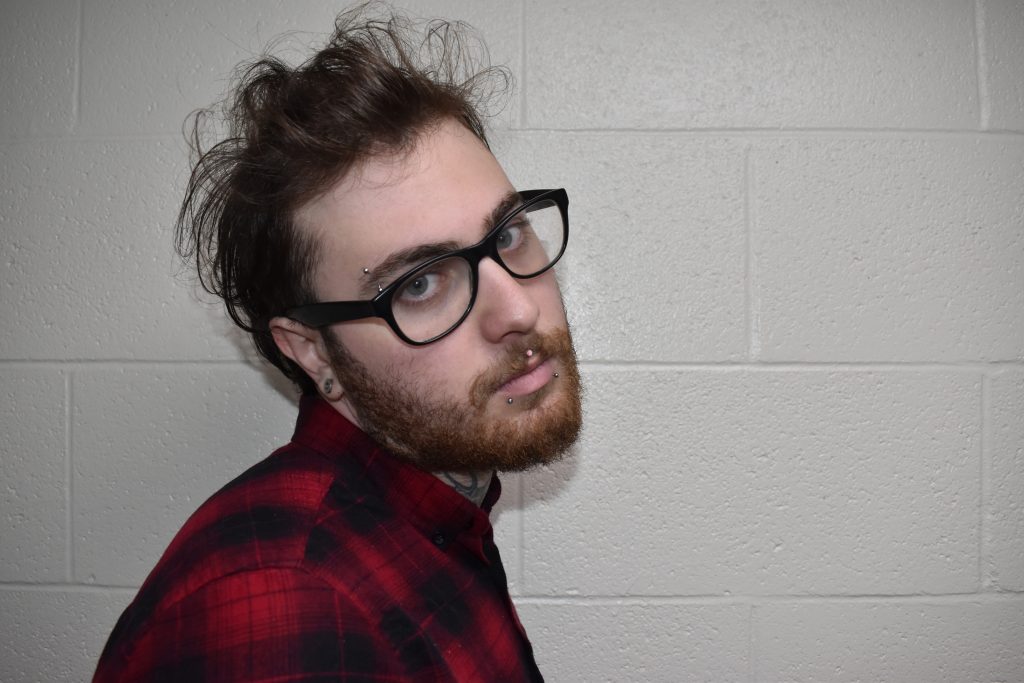
M: music helps me a lot to my identity in terms of like, the conflicts of emotions that I go through. Like it’s good to know that other people are going through similar issues. Not because it’s good to see other people suffering but because it’s great to see that like, you’re not alone.
Me: Who do you look up to in music?
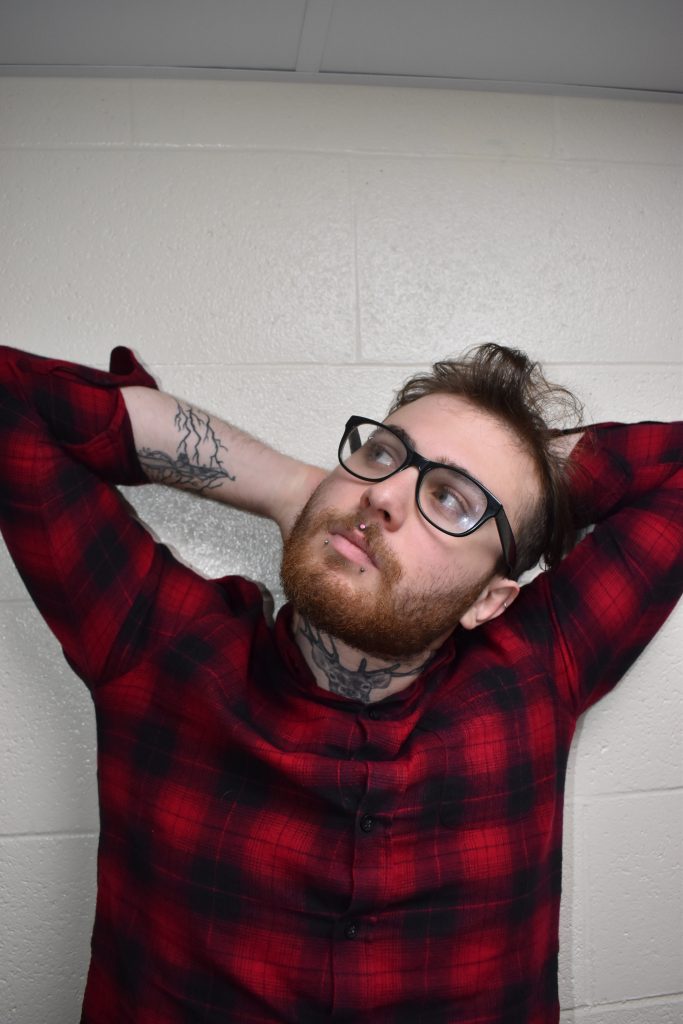
M: Hoyeon from Girls Generation, she’s my ultimate idol. In Korea, she’s always been kind of an ugly duckling. But then, outside of Korea, she’s the most famous one. And I can relate to that a bit. Because like, growing up, I’ve always been called ugly. I’ve always saw myself as being super ugly.