Britain is one of the most ethnically diverse countries in Europe with London considered as is melting pot. Although the UK is booming with multiculturalism, recent studies have shown that 4 in 10 Britons are not living in the place they consider as their home. Hawwa Abudu finds out why perceptions of home differ between people with roots in the UK and elsewhere.
Our perception of what home is to us, either physical or abstract, impacts our identity. Walking the streets of London, it is not too hard to see the diversity that people from all around the world bring into the city. However, with this comes contrasting views on where home is for people from ethnic backgrounds, and this looks set to increase. According to The Office of National Statistics, 29.3% of all live births in 2020 were to women born outside of the UK, the highest rate since 1969. This means that there is an increasing number of children being born to parents with roots outside of the UK, so the question of where citizens feel at home is likely to become more pertinent than ever.
Music by Bensound
“If Nigeria was ok, I wouldn’t be in this place”
Nurain Abudu, 51, an estate agent, lives in Plumstead. He was born in England but his heritage lies in Nigeria.
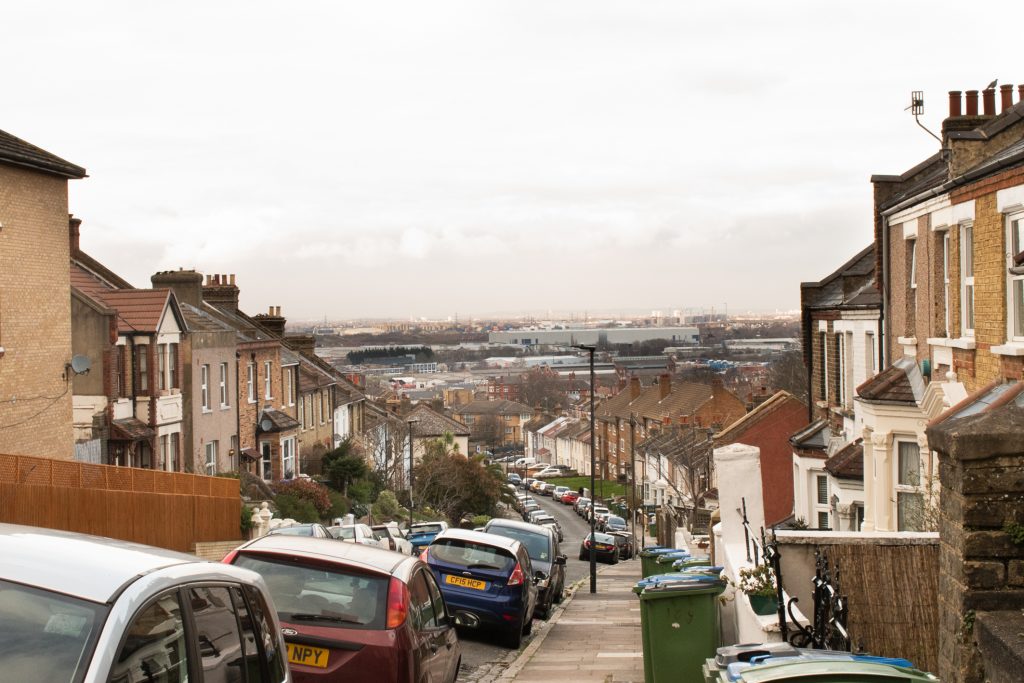
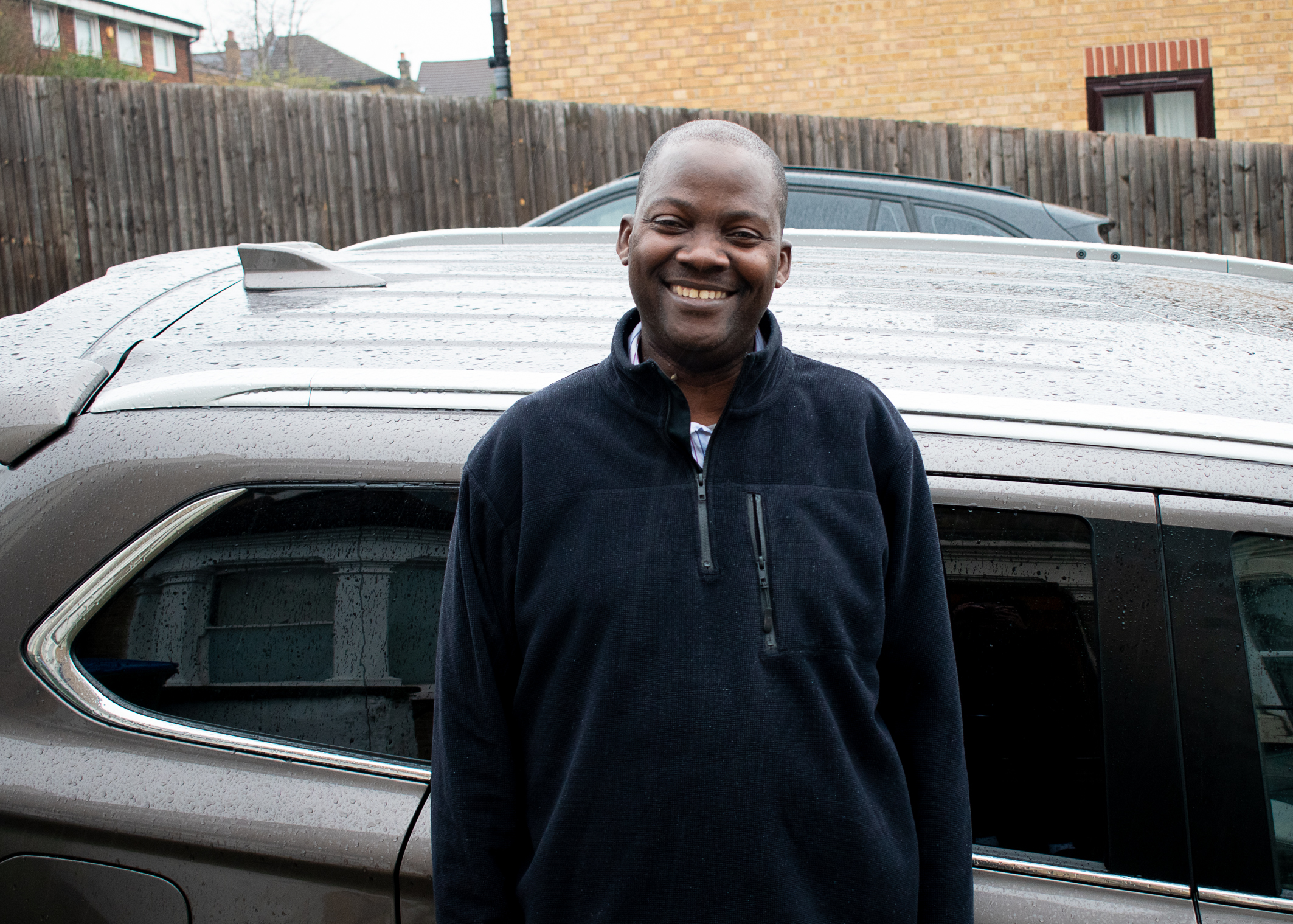
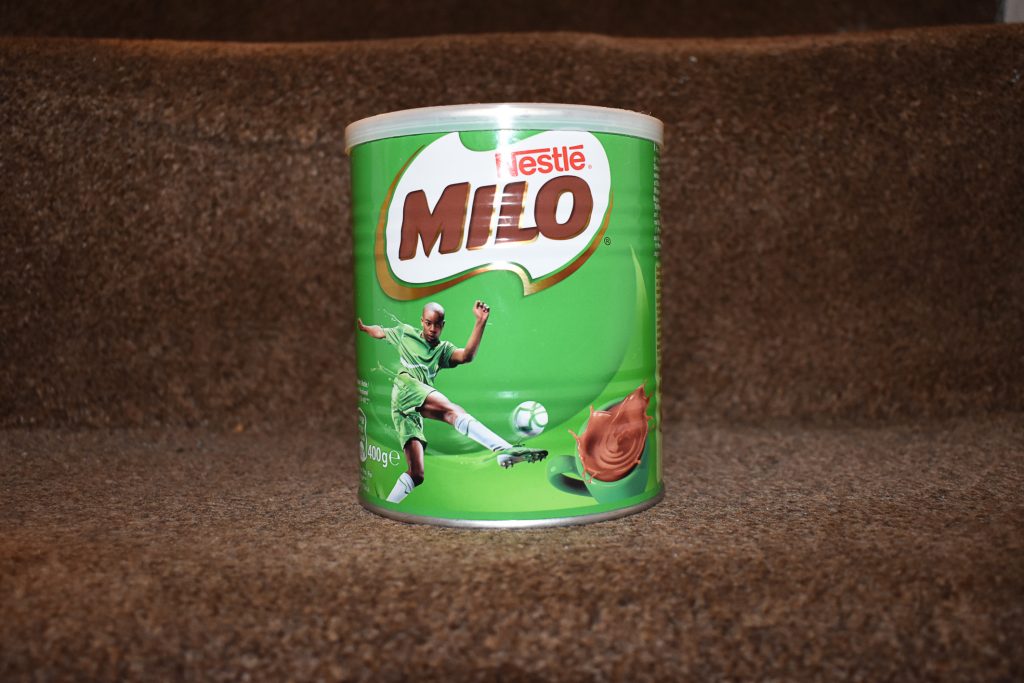
“Home is where you feel happiest. You connect to the place, it is where you identify with. For some, it is where you can make a living. Looking at this country for example, I can tell my head is here, but my heart is in Nigeria. It’s just a feeling. It’s just that excitement. That was a time I would just wake up and I was happy. It’s funny because I spent most of my years in this country. When I look at when I was back home plus the years I’ve been back living in the UK since my early 20’s, and add that to when I was born here, I’ve probably spent more than half of my life in the UK.”
“I think as a child, you’re not race conscious”
“I grew up in a small village in England, and when I was little, I never felt racism despite growing up in a white-majority town. I wasn’t conscious. When I went to Nigeria, I used to think about coming back to the UK, all those fun memories. Coming back as an adult opened my eyes. People pointing out your differences such as your accent, finding it hard to get jobs. Finding it hard with identity. The Euros Cup 2021 highlighted why I don’t support England as a team. For the first time ever, I really supported England, and for one reason, I’ve always been ambivalent and indifferent to when England plays compared to when Nigeria plays. I really wanted them to win but when the whole thing happened with the racist comments, I thought to myself: ‘you see, this is why I don’t really support England’ which is a shame.”
“I am not conscious of race in Nigeria. I don’t even think about it. You just see people who are like you, although we do have tribalism. Where people have prejudice on you from the basis of your tribe is different from your skin colour. I think that skin colour is the biggest one because you can’t change your skin colour. That’s what puts me off England, though as I grow older, I don’t feel as conscious as I used to. But I know it is still there. The cold weather, the depressing feeling, racism and the way things are over here doesn’t make me see London as home. Things have gotten better over the years since coming back in 1994 but there’s still that consciousness of being an ethnic minority, when in fact I’m part of the global majority?”
“London isn’t the whole of England”
Kyren Miguel, 19, a university student, lives in Peckham. He was born in England, but his roots are in Angola and Jamaica.
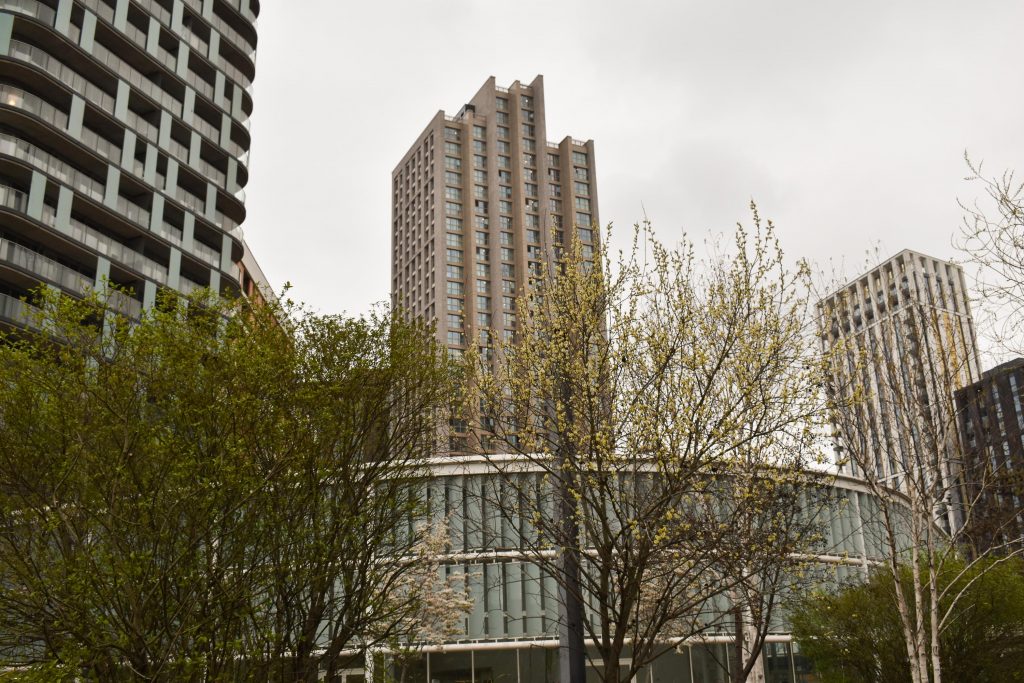
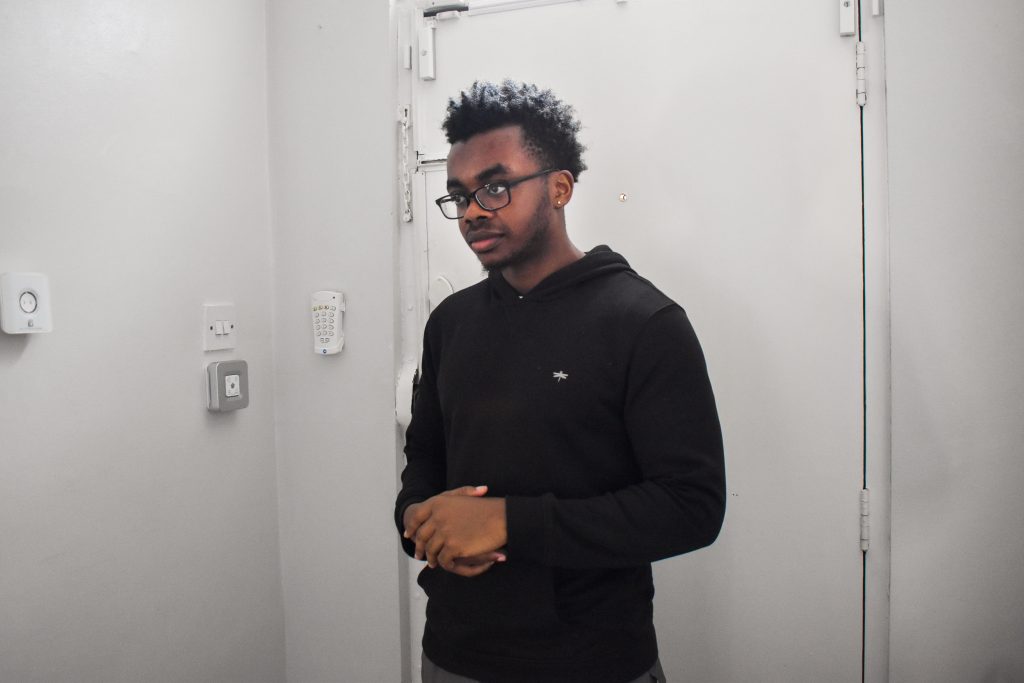
“A lot of the time, growing up in London you don’t even notice that you’re an ethnic minority because you’re surrounded by ethnic minorities. It’s not until you step out of London that you realise it. I went to Sheffield because I had family members who live there. That’s when I realised that there isn’t too many of us spread around the country. I didn’t know I was an ethnic minority until I was 11, I was oblivious to racism and prejudice. I was racially assaulted at 6 but I wasn’t aware until I was a teenager.”
“To me, home is safety, comfort, and freedom. Togetherness.”
“My mum’s Jamaican and my dad’s Angolan. I’ve never been to Jamaica, I’ve only been to Angola twice, once when I was 6, and once when I was 11. In terms of my heritage, I do feel that kind of disconnect, and there is a language barrier there because I don’t speak Portuguese. But, at the same time, when I do go over there, I do feel safe, like that’s my family. I feel like I’m in good hands, they take care of me. But my home? I would say I feel like my home is here. My home in terms of heritage, that’s over there, Jamaica and Angola. I feel like that’s because growing up here, this is all I know. This is a life that I’ve lived, here in London, born and raised. Those two occasions, it was to visit family, it’s like you’re a guest. You see things through the rose-tinted glasses. You don’t feel like a regular person there. If I were to move to Angola or Jamaica, spend more time there and become accustomed to the culture then I believe that would be an even better home than here.”