After two years of lockdown, people can finally come together to celebrate Nowruz. But the pandemic has taken a toll on the mental health of many, Sara Kamran Pour finds out whether it may impact their enjoyment of the annual celebration.
Nowruz, which means new day in Farsi, is the Persian new year and the celebration of the start of spring. It is celebrated on the vernal equinox, which is usually the 21st of March. Originating from the Zoroastrians it has been around for more than 3,000 years and is today celebrated by over 300 million worldwide.
“The New Year celebrations are the most important events in the Persian calendar, missing out of these festivities for the last 2 years has been devastating, especially for the us, the older generation.” Says Farzin Kamran Pour, an Iranian living in London, who has celebrated Nowruz all of his life both here and in Iran, describes the effects Covid has had on this celebration, not only on his family but also on his religious community.
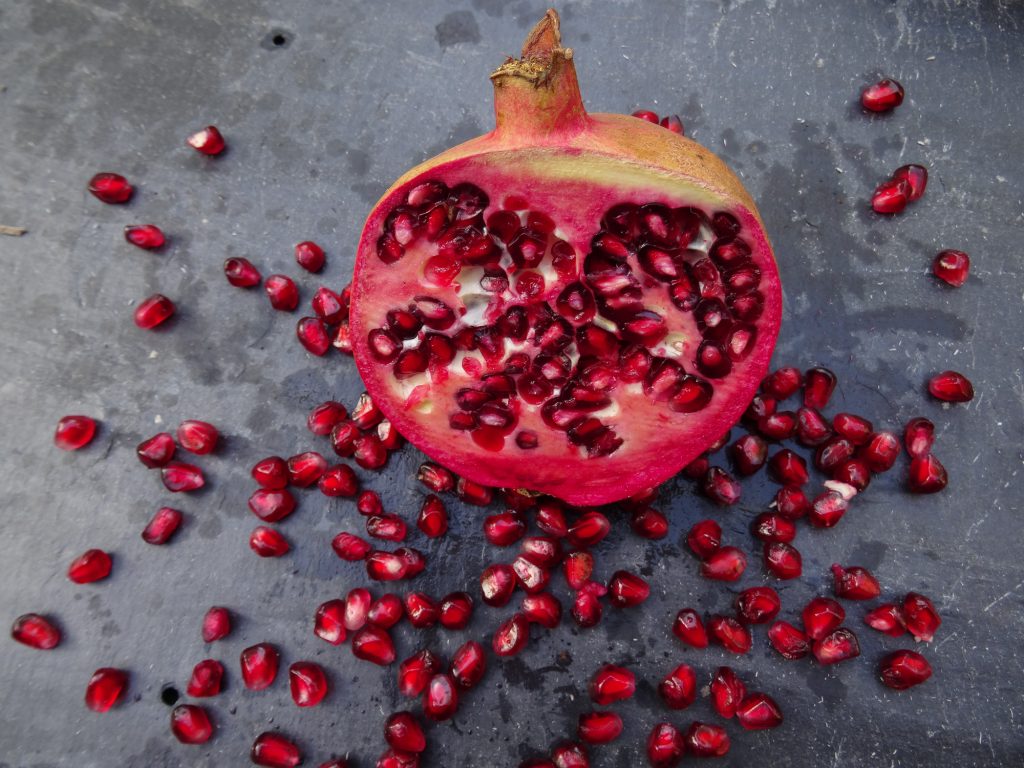
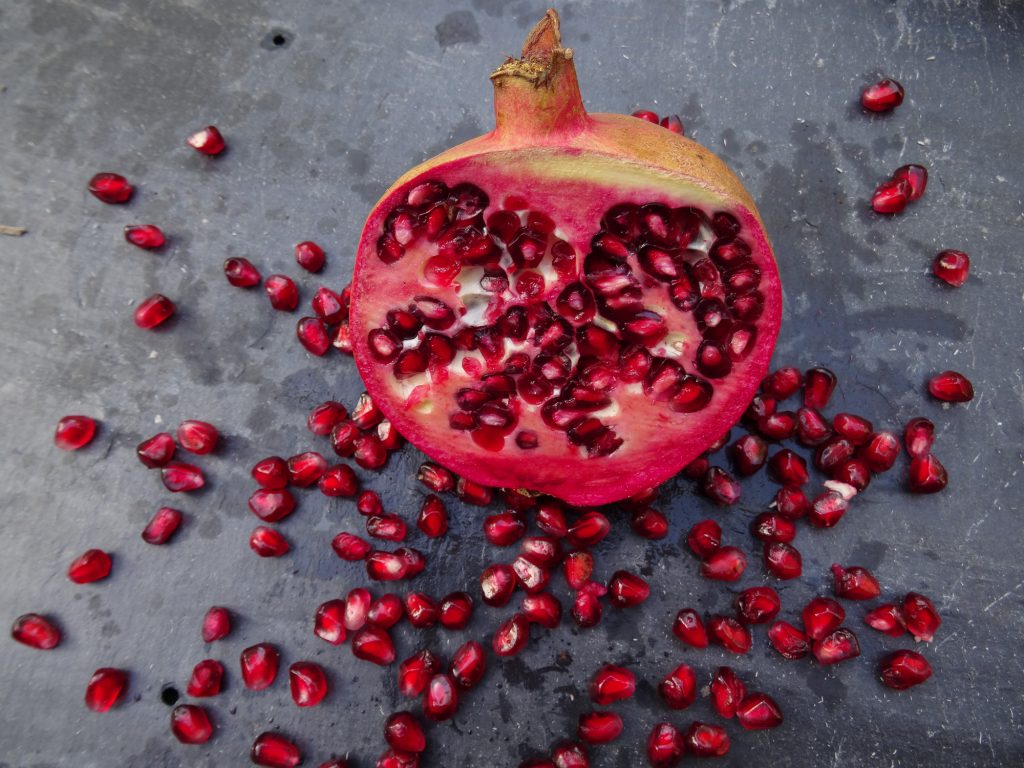
Tradition is key to the celebrations, such as Haft Sin or rather the seven S’s, which is a display that is made on a table with various items all beginning with the letter S in Farsi. They symbolise spiritual virtues and renewal and are placed alongside additional items that have been added throughout time, to be shared with family and friends. “This is the only part of Nowruz that I have been able to set up at home all alone, as it does not need others.”
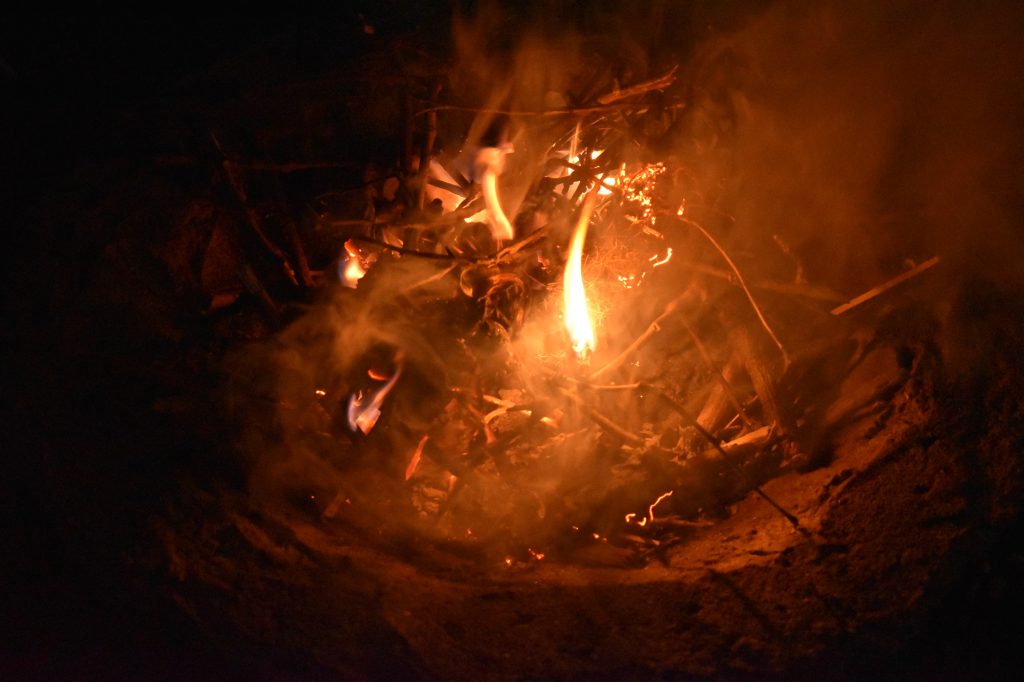
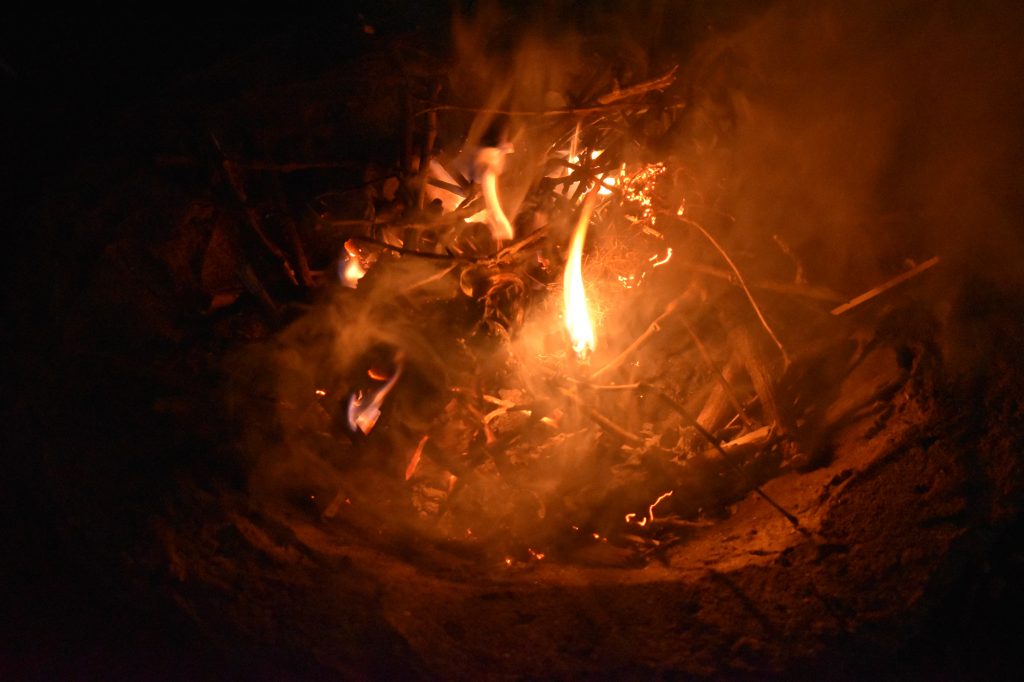
Chaharshanbeh Soori, or Red Wednesday, is a tradition before the new year in which people gather and light fires to jump over. The fire symbolises light and the cleansing of the old year’s adversities, as well as good wishes for the enlightenment and happiness for the new year. This is another link to the Zoroastrian religion, in which fire was the most important element as it represents God’s light or wisdom. At the end of the celebrations, on the 13th day of Nowruz all gather in parks to picnic, called Sizdah Bedar. To end the picnic the Sabzeh, a grass-like plant that is grown throughout Nowruz and is a part of the Haft Sin, is thrown into running water, this grass is meant to collect all the sickness, pain and ill fate of the family which is then ceremonially thrown (washed) away. All these different parts of the celebration involve both the community and family but, due to the 2 years of lockdowns caused by the Covid19 pandemic, Nowruz has not had the chance to be properly celebrated. So, 2022, will be the first time the community can come together and make up for lost time.
Nowruz, is a time when all of the family can come together and celebrate. Therefore, it is not only a national celebration, but a family orientated one. This coming together has not been possible because of Covid but, as Farzin explains, several elements of these traditions he has been able to continue within the home. He explains, “although the table of 7 was easy to set up in the home, the difficult and disappointing aspect was the not being able to come together with the family and community. Usually this is a time when we can all come together to eat tradition foods, talk, listen to music and to pray, as being a Baha’i, it is also a religious festival,” he continues that “this is the one time of the year when we can remember our past family life and our community that is now spread across the world, it is not only important to us but is a tradition that we want to pass on to the next generation. Many of the elderly have been affected the most with mental health issues, with many becoming depressed due to their forced isolation from their families. Although for the past 2 years we have tried to come together using digital technology, such as zoom and facetime, it is in no way a substitute for coming together as a group of people with a common goal of celebrating the new year. Of course, this has been doubly hard on our elderly who many are unable to access this technology”. This is backed up by a recent study by the Live-In-Care Agency, who report that one in three elderly people are more lonely in the wake of Covid 19 and that 40% have not been able to leave their homes during the many lockdowns.
“Unlike the new year of the 1st of January, which occurs in the middle of winter, Nowruz coincides with the spring, a time of regrowth and renewal, and so is a particularly important time in both the calendar and in nature.” He continues to voice both his concerns and hopes for this year, “it just won’t feel the same having to wear a mask and having to distance ourselves between each other, we will not be able to show affection like we normally do, a kiss on each cheek in greeting and a long hug with those closest to us. But I have great hope that we can make it through this together and eventually, after we defeat Covid, we can celebrate in the correct way that is in the traditional way, as it has always been done.”