Numerous lockdowns have left people feeling starved of touch. The magnifying glass of a global pandemic has also exposed how alienated galleries are. Square shape, white walls, and a light source coming from the ceiling leave the art world in a vacuum. Kettle's Yard located in Cambridge goes against that from the very beginning. Inviting its visitors to engage with art physically, it presents the post-pandemic world with a much-needed remedy. Esther Jenkins, a former elementary teacher and a habitual Kettle's Yard visitor, talks about her COVID-19-related loneliness and the importance of touch.
‘‘When I come here, I am always reminded of how alive a place can be. Ede just knew his way around that. And also, everything here is so intimate.”
Esther Jenkins
Do come in as often as you like – the place is only alive when used’.
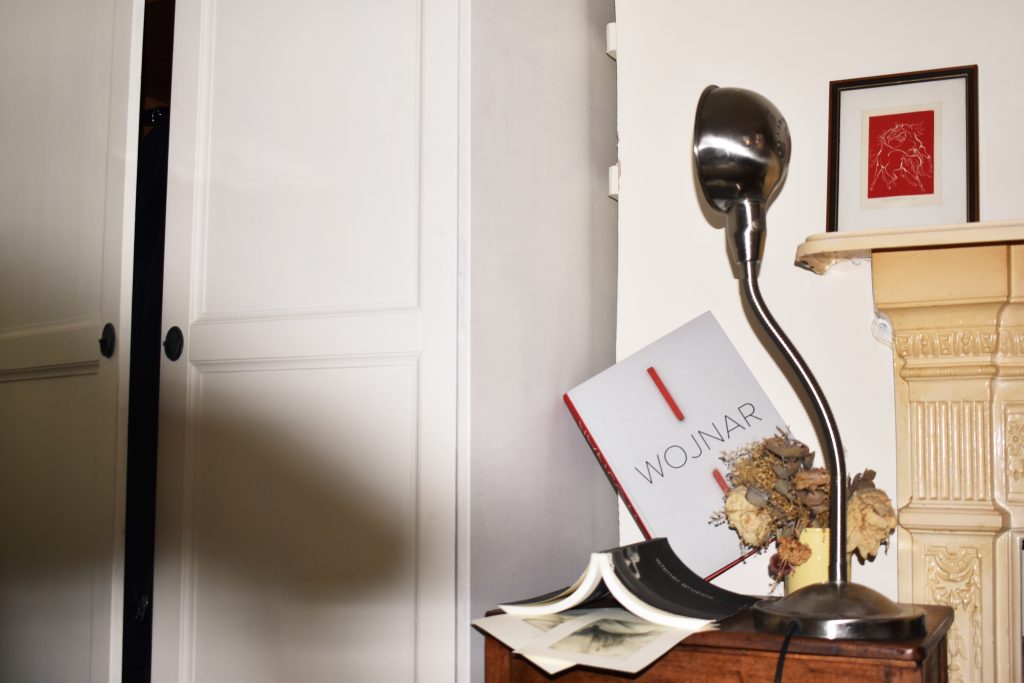
“I’ve been coming here every spring for years,” says Esther Jenkins and the emphasis here is on frequency. The ex-geography teacher of one Shropshire primary school looks around her as if to make sure that she, indeed is back after a two-year hiatus the Pandemic induced. Jenkins might be in her 60s; she has a sharply cut french bob. Her demeanor radiates energy and her gestures fill the room vividly. It is potently antithetical to what surrounds us: the quiet, intimate interiors of one hidden gallery in Cambridge. It is a sunny Thursday afternoon and the peace is almost palpable. Jenkins assures me that the combination is what she feels drawn to. What precisely? It feels homely, she says. „At times, I tend to forget that this place is a gallery. Wherever you look, you see the attention to detail.”
‘‘I can see someone’s way of life, you know. When I sit in the armchair or touch the flowers, it is like going back. Whenever I come here, I go to the library first. The light there makes me think of time. Jenkins utters a tired sigh, indicating that time spent indoors bears different connotations nowadays. Anxious, lonely connotations. She pauses before touching her pearl necklace worn tightly around her neck. Where did she spend the Pandemic? “I have been on my own for the last six years and was in my living room the whole time, watching anything that was on, really. I felt cut off from the world. It was awful.“
There is, she says, unthinkable loneliness in having nobody to talk to, in waking up, knowing that you’re a prisoner in your flat. Jenkins goes on to say the following and her cheerful demeanor could be seen creeping back. ‘‘This place has its history. You don’t feel this in galleries often.“ And Jenkins is right: traditionally organised art spaces could be alienating. If there is history, it is trapped behind a glass barrier, making the visitor feel as she says, “out of place.” When Jenkins emphasizes her pandemically induced loneliness, the habitual returns to Kettle’s Yard gain yet another dimension. ‘‘When I come here, I am always reminded of how alive a place can be. Ede just knew his way around that. And also, everything here is so intimate.” What connects her to the place the most? Books, she says, without any hint of hesitation. After all, it is a book on John Ashbery I see her reading when we meet during the tour. She leafed through the book, carefully scanning the pages, smiling from time to time. Looking at her at that very moment felt like a violation of intimacy.
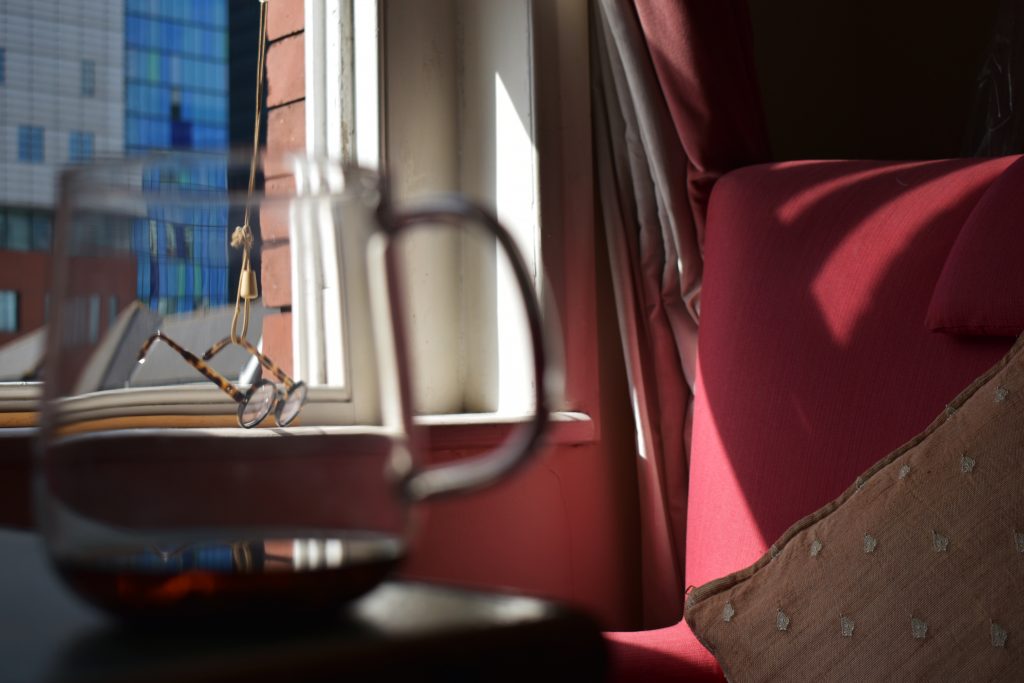

“After everything that happened, I, maybe more than ever before, want to touch. The Pandemic highlighted that we need contact,” says Jenkins. Does physical intimacy revolving around objects found in Ede’s home relate to the feeling of being trapped inside her flat? She pauses once more, then nods assertively, stressing that she also felt lonely because it was forbidden to experience the world outside of our small bubbles. Ede’s understanding of space, on the other hand, defies this notion from the very beginning. He instructed the gallery to have a quote welcoming visitors while passing through the entrance. ‘Do come in as often as you like – the place is only alive when used’.
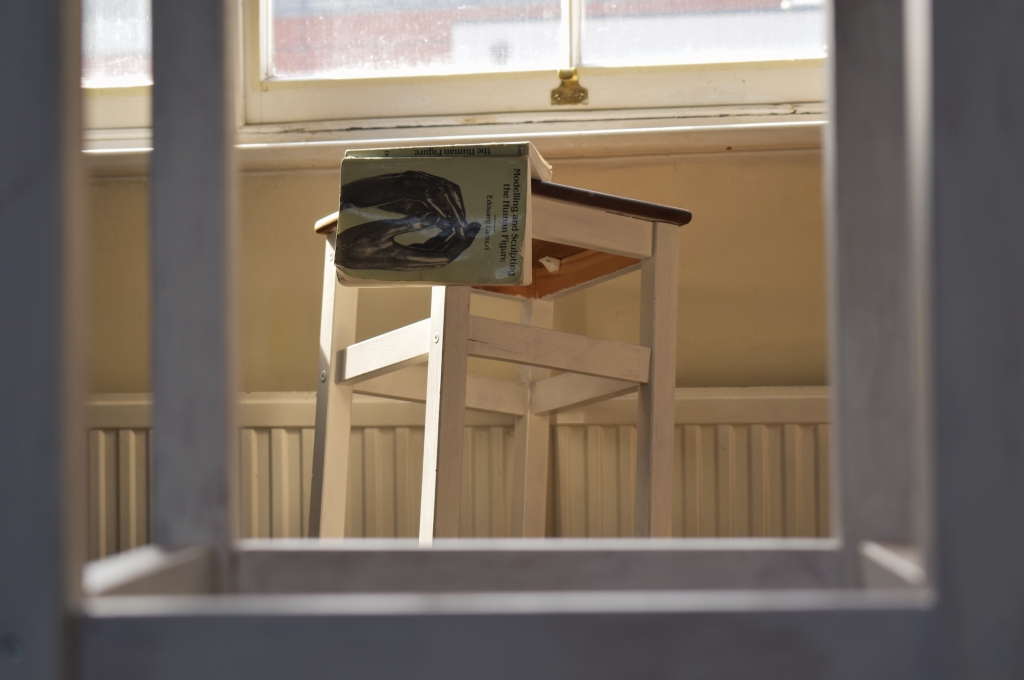
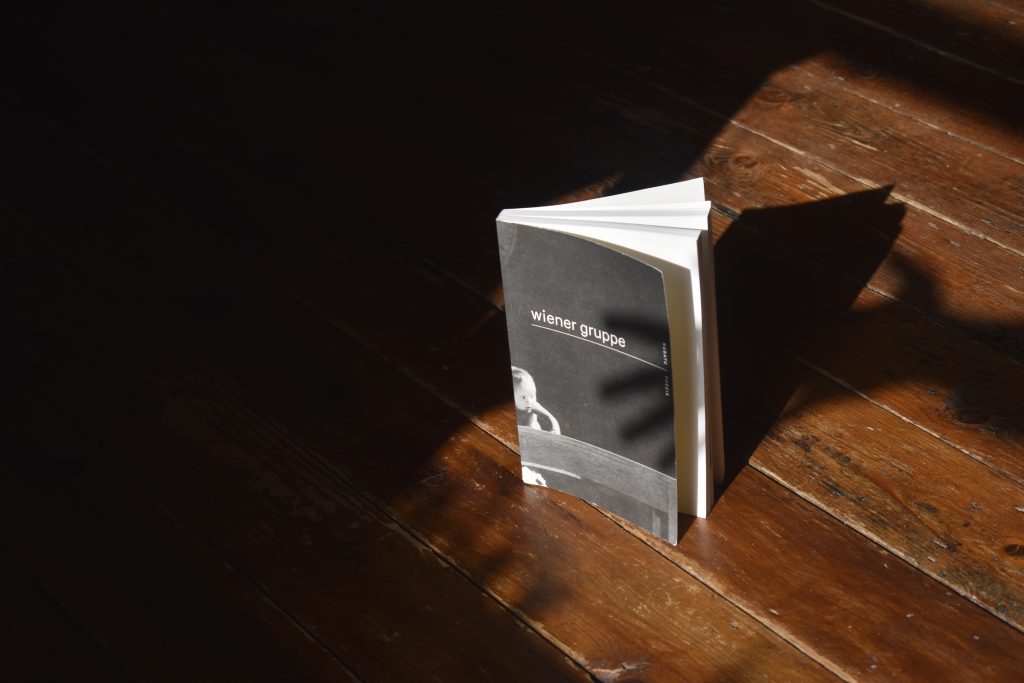
You sense that Jenkins understands this on a personal level; it has enriched her understanding of home. Kettle’s Yard, she says, made her think about everything she owns more. “It must have taken them (Ede and his wife) years to figure out where to put this and that. They are in everything in the house. Being here makes me feel like I am a part of it.“ Does the feeling grow with each visit? Has she come to the realisation because of the Pandemic? Jenkins shrugs her shoulders, but follows up immediately. The space between her eyebrows is wrinkled.
“The Pandemic made me feel alone. Here I am not.“
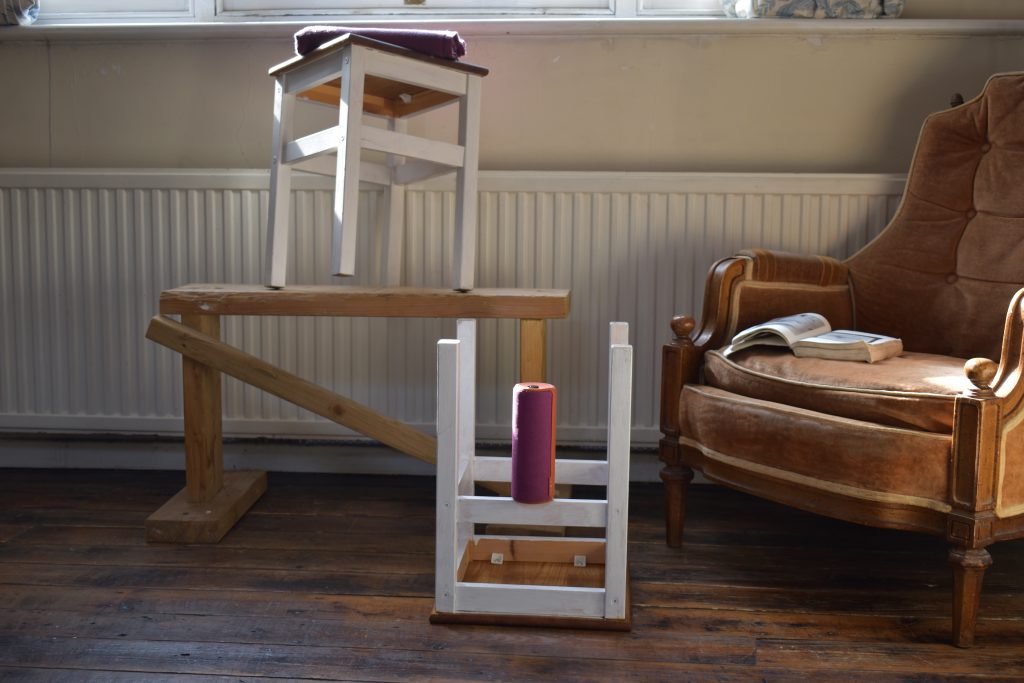
“The Pandemic made me feel alone. Here I am not. “
Esther Jenkins