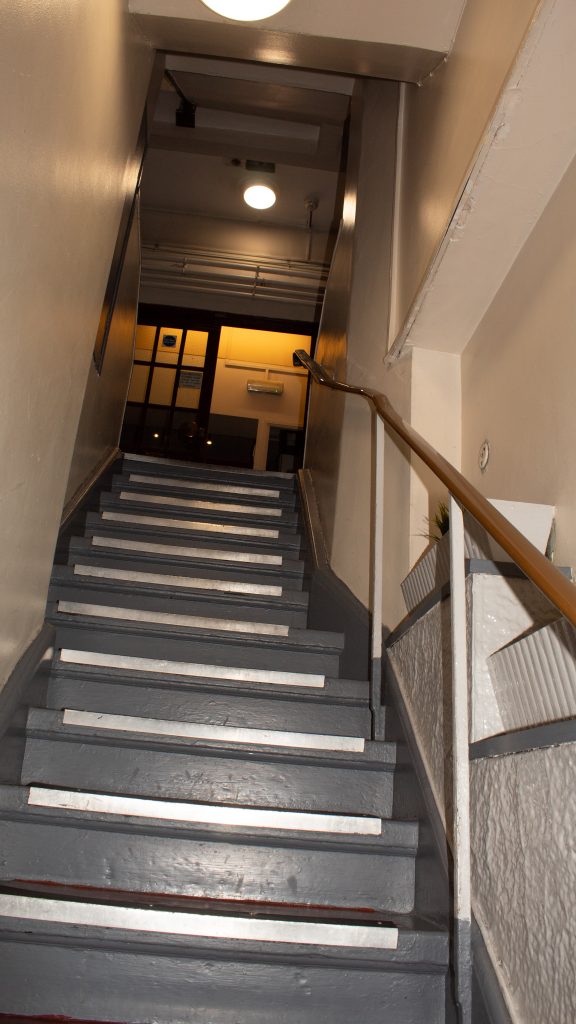
If you go up and around the winding staircase at number 143, The strand, London; you will come across the definition of a hidden gem – The India club. This establishment; primarily a restaurant, hotel and bar boasts authenticity, and a deeply important history. I met with Phiroza, whose family; specifically her dad, has been running The India Club for the past 25 years.
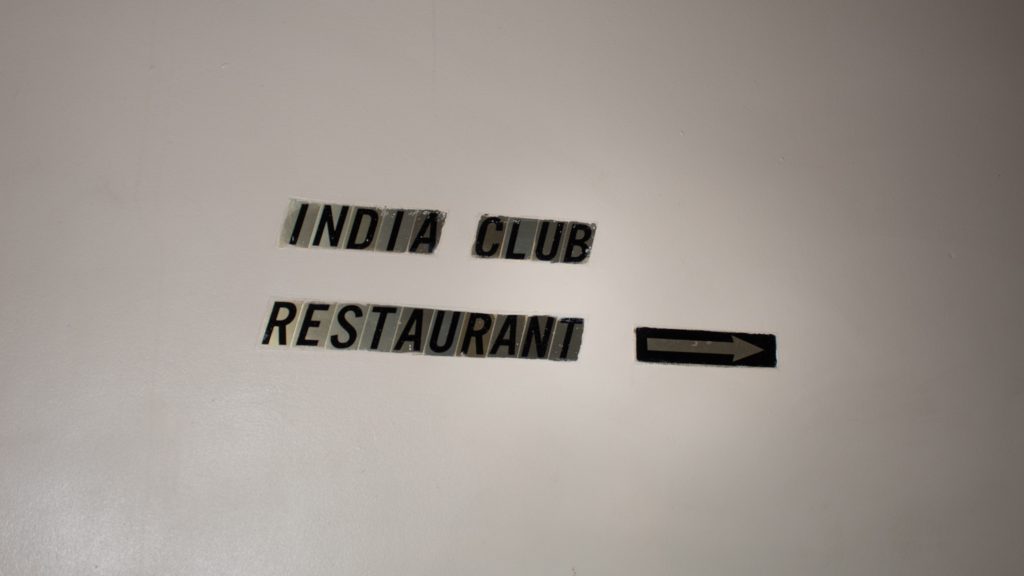
The institution has played a central part in Phiroza’s life, and thousands of others since the 1950s, as a cultural institution for the Indian community in London.
When Phiroza and I spoke at the India Club, It may have been before opening but the character and atmosphere of the building was apparent. Newspaper clippings and notice boards dotted around the room told stories of the space and the people that have and still do come here.
Phiroza tells us about her personal experience growing up here and how “All our significant family events were here, from 18th birthdays to family gatherings; even my wedding reception was here”
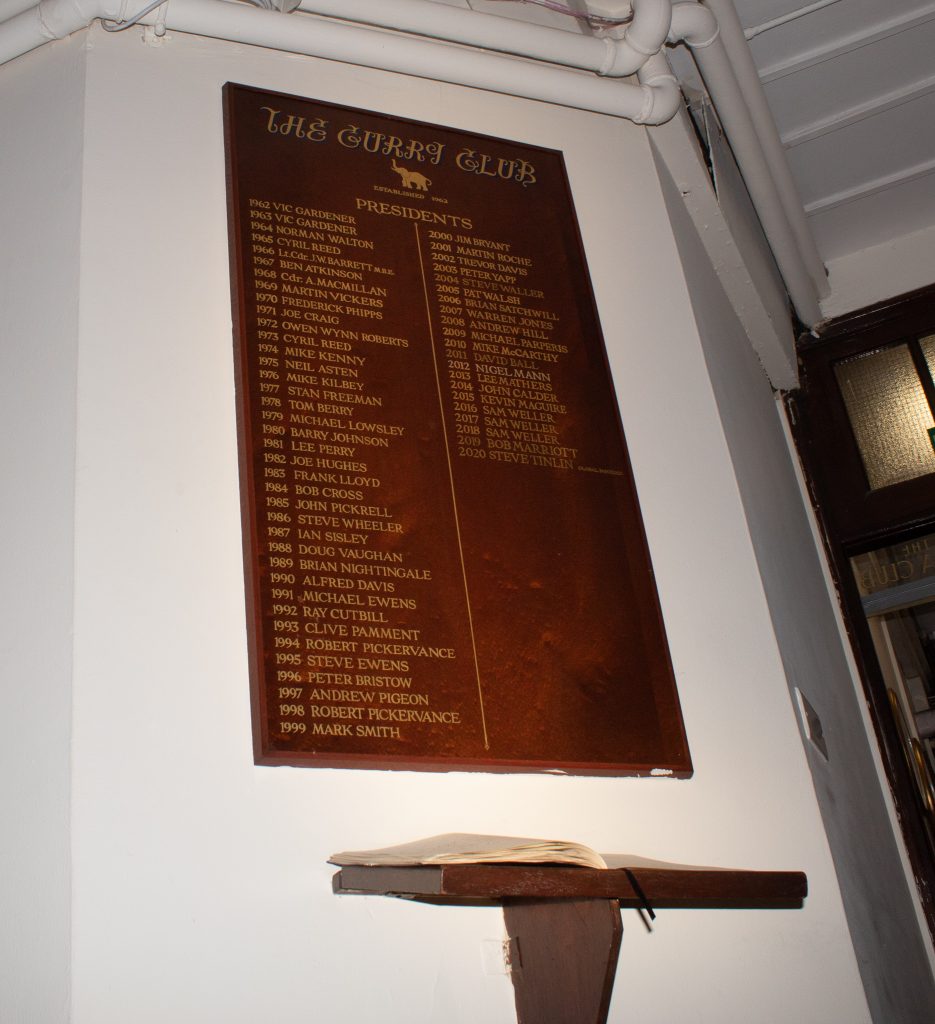
The India club was set up by The India League in the 1950s, who were one of the most important groups in campaigning for Indias independence. Phiroza tells us about the idea behind setting up the establishment all those years ago..
“Once independence was achieved the India League wanted to set up a place where the two cultures could have a place of friendship, cultural exchange and understanding. They decided to do that through the India club.”
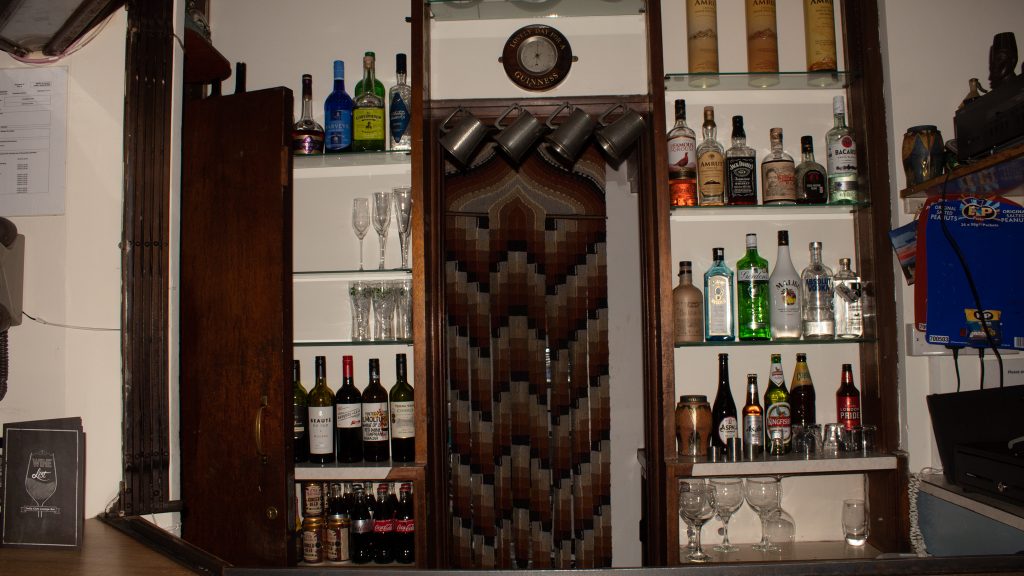
From its roots, The India club boasts a rich, poignant, cultural history, and since its beginning in the 1950s the interior has hardly changed. The canteen style dining hall, crooked winding staircase and warm yellow walls have stood the test of time. And that is perhaps because it has so much more to offer than just somewhere to eat.
Phiroza says how “It’s so much more than just a restaurant, it really is a place of cultural exchange and understanding. Right from its inception we had groups who when they first landed on UK shores would come here and feel a sense of home”
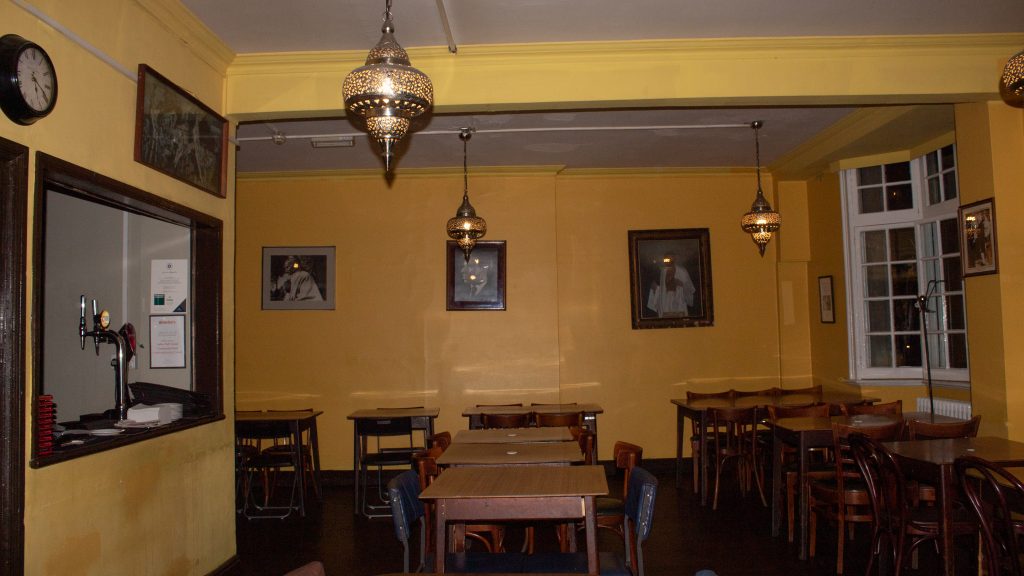
The India Club has always opened its doors to the community and continues to do so today, The Zimbabwean association host their meetings here as well as The Curry Club – a group of expats who have been doing so since the 1960s.
“It’s somewhere where groups can use as a community space. It really is a community hub, thats why Westminster council made it an asset of community value.” says Phiroza.
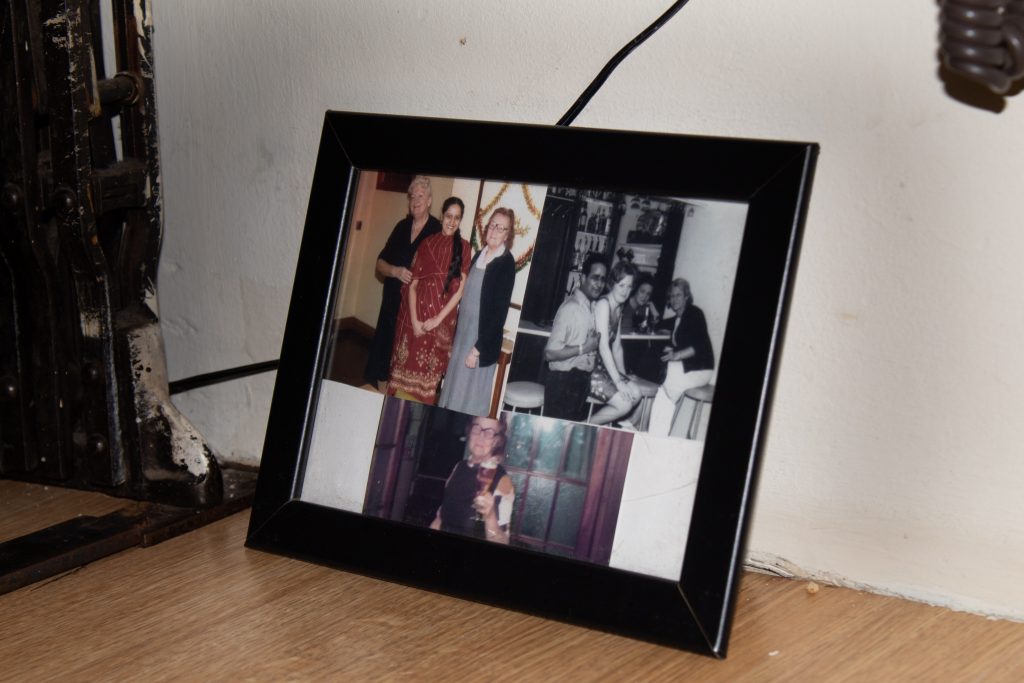
This community role that the India club plays is undoubtedly one of the things that makes it so much more than a restaurant and also why it is so important to preserve. Phiroza explained that one of her personal most vivid memories that continues to live on is the attachment she sees from the public to the staff members.
“We had Doris who was the bar lady who didn’t retire until she was in her 90s. She just loved this place so much she didn’t want to retire.”
“And then we had Joseph the waiter; he was so loved by the public that when he died the guardian did and obituary on him. It’s hanging in the restaurant on one of the walls. Really, it’s the people as well as the history that make up this place.”
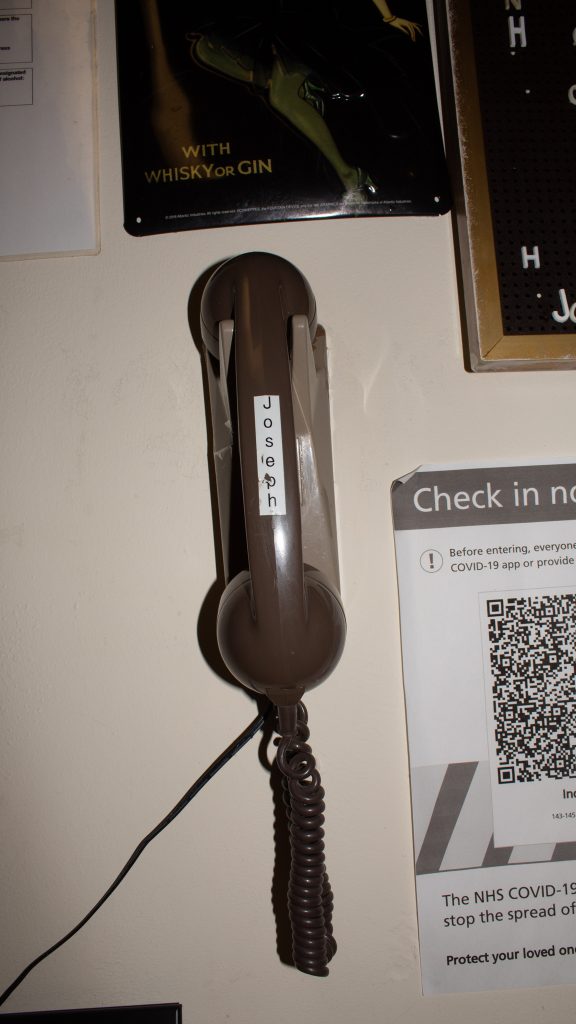
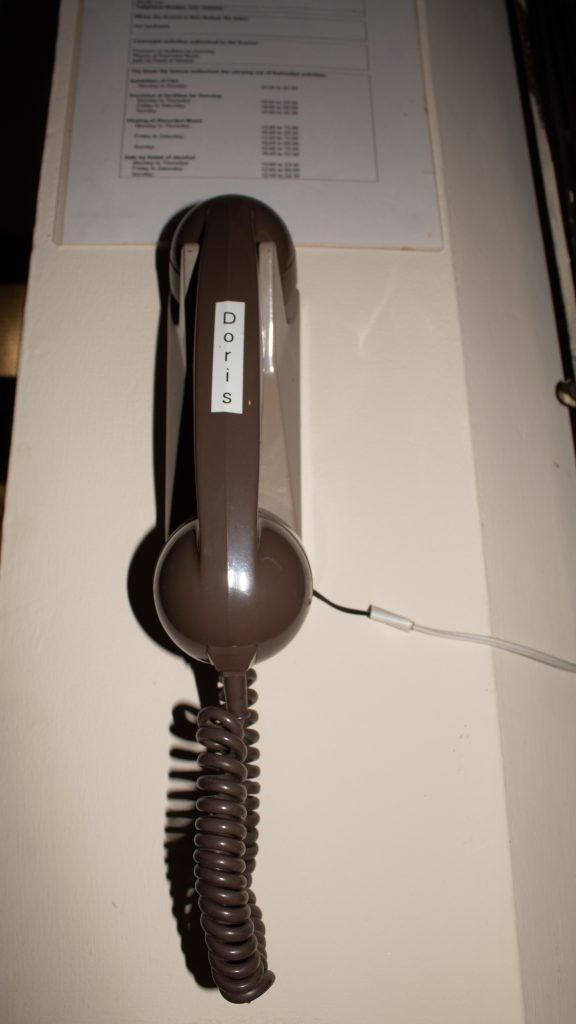
Despite the rich history and love from the public, it is unfortunately not safe from the jaws of gentrification and so called ‘redevelopment’. The danger for The India Club comes in the form of Martson Properties. Martson Properties are the landlords and in 2017 they put in a planning application to redevelop the India Club and have 25 ensuite hotel bedrooms in its place. A massive campaign took place against this and thanks to the publics support and love for the establishment, the council rejected these plans.
But alas they quickly put in another set of plans, which were withdrawn and now, their third attempt is to go through the courts. Phiroza tells us that “They have served us with an eviction notice – even though we have paid our rent on time. They are going from every angle because they have realised that it won’t be successful through the council “
It is worth mentioning that Martson Properties have very much branded themselves around the idea of community and heritage, and these ideas in relation to their business story. There is an entire PDF surrounding these ideas which makes their plans to evict the India club seem like a huge contradiction. Phiroza says “Each of their businesses have stories but the India Club is not mentioned at all in there. It could be a jewel in their crown if they really owned it and were proud of it but they’ve decided to just ignore it in their portfolio which is a real shame.”
Ava Majumdar, a patron who regularly visits the India club with her Dad sheds light onto her experience and connection to The India Club and what it means in the modern day.
She tells us “My grandad who emigrated from west Bengal when he went to university visited the India club with my great uncle and other immigrants. They knew him by name, face and he used to go all the time. He felt it was an authentic place to go to be surrounded by Indian culture. My family and I continue the tradition by going there a lot”
In regards to the threat that The India Club is facing Ava says that “To be getting rid of it would be to be getting rid of an important part of Indian History in England”
She finishes by pointing out “how enriched Britain is by Indias culture” Ava rightly points out that considering “how much has been taken from India as a country, I think getting rid of something that is empowering for Indian people in London where they can eat authentic Indian food, experience their culture and speak their own language would be a huge shame”

I contacted Martson properties for their side of the story. The spokesperson from the company gave a limited response which included reference to their ultimate ownership of the building. They confirmed that it was now a decision that lay in the hands of the courts. There was no mention of the cultural importance of the building. They began “Marston Properties is proud to have been investing in buildings in London for over 125 years. We have owned an interest in the building since 1981 and originally purchased it with the intention of running the hotel one day.
“It will be for the Courts to determine our entitlement to regain possession and occupy the building for our own use. Marston Properties and Goldsand Hotels are engaging in the Court process and therefore further comment from Marston Properties is not appropriate.”
The India club has filed for their defence in court and remains open in the meantime. They are currently waiting on a court date to determine its fate and thanks to a public fundraiser they have been able to raise £49,000 to cover the legal fees.
Although the India club has an enormous amount of support from the public, the fundraiser is as much as that will help. Phiorza solemnly tells how “The courts have to look more at the legalities of the contract – and although the cultural basis will play a role in the case, it will not be as much as our previous campaigns.”
As The India Club waits on the court date it is at the cusp of achieving a huge victory; not just for themselves but for any business that has been pushed out of their community in the name of redevelopment.