Fan edits, what is it?

In 2022 I finished watching a TV drama called Extraordinary Attorney Woo that I grew to love over the 8 weeks it aired. I longed for the feeling of watching it for the first time again, because it was so hard to let go of the characters I had grown so fond of. Attorney Woo’s character growth and her blossoming romance with the sturdy but sweet male lead Junho and all the supporting characters like her mentor Attorney Jung and best friend Geurami. While I was scrolling on social media, I found a video of these characters edited to “Somewhere Only We Know” by Keane. It was like I was reliving the warm comforting feeling I felt when I watched it every Wednesday/Thursday. All the moments I loved, maybe even some moments I missed between the character’s, were beautifully put together with a song I love. Suddenly, the feeling that I so desperately longed for was back.
Since the beginning of YouTube and platforms like it, video editing has become a popular form of creative expression among the younger generation, generating millions of views. “Fan edits” are clips from different kinds of visual media re-edited by fans, usually accompanied with a song. They show concentrated moments which leads to a more visceral emotional experience for the viewer.
There are many different types of edits, also dictated by the platform you’re watching them on. On TikTok, edits tend to last between 10 and 30 seconds. On Youtube, edits can go from the length of a song to even a full 30 minutes. Normally, they demonstrate different types of love between characters, whether its platonic or romantic.
Let’s say it’s an edit of Attorney Woo and her love interest Junho. Only the moments between them are included. Like their first meeting, their first kiss or the moment when Junho so dramatically confessed his feelings. This is known as a ship-edit. Shipping is the desire for two people/characters to get together romantically. A new development in the edit community is “edits” of two actors in press interviews, as we recently have seen with the release of Queen Charlotte, a Bridgerton Story. In the increasingly parasocial world we live in, it is no longer only about the chemistry on screen, but also off screen.

What makes K-dramas different?
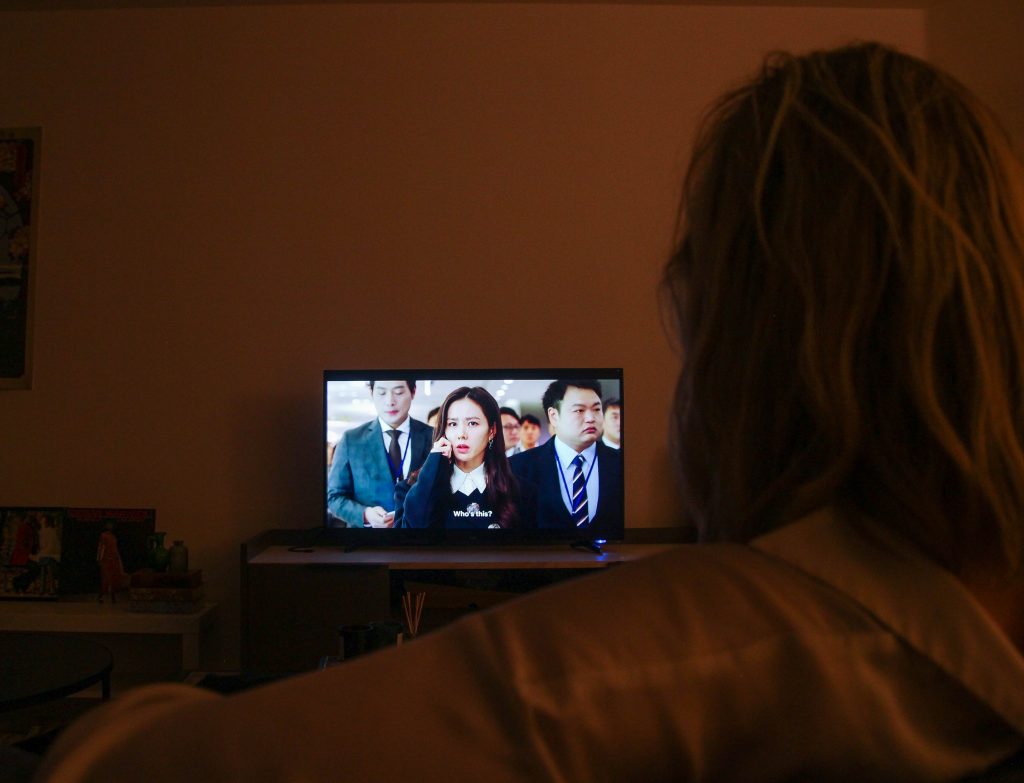
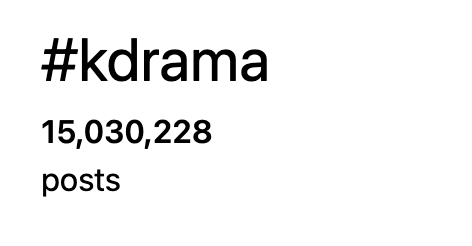
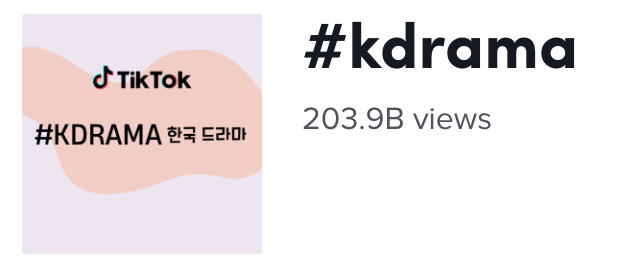
As of this moment, the hashtag #kdrama has over 15M posts on Instagram and a 203,9 B views on Tik Tok as of 31.05.2023. Generating this many views and interactions, K-dramas like Extraordinary Attorney Woo have become immensely popular with today’s youth. Recently, Variety announced that Netflix has committed to spending 2.5 billion $ on South Korean film and TV which is double the amount they spent on Korea since 2016. This shows that K-content is growing in popularity and will only continue to grow.
During lockdown people watched more TV as a result of being home. While scrolling on Netflix during this time, Abigail (21) came across a trailer for the Korean drama “Crash Landing on You”. She had never watched a Korean drama before and decided to try it. This set her along a journey on the K-drama wave, which is still ongoing. While also becoming the second highest rated drama in Korean TV History, Crash Landing received major international response in the West as well as East being named by Variety as one of “The Best International Show on Netflix” in 2020.
Abigail explained how she feels they portray relationships differently in terms of pacing. She feels that Western shows gloss over a lot of details that Korean dramas don’t. They include every part of falling in love. Although we see this “slow-burn” trope in Western shows too, K-dramas use this as a recipe in almost all the romance dramas and utilizes what is famously called “the female gaze”. We see this with the growing female writers and directors in South Korea like Park Ji-Eun (Crash Landing On You) and Moon Ji-won (Extraordinary Attorney Woo). A term first coined by filmmaker Laura Mulvey in her 1975 essay, Visual Pleasure and Narrative cinema. “The male gaze” is when the camera adopts a heterosexual and distinctly voyeuristic perspective where women serve as objects and men the voyeur. In a Vogue India article from 2021, Hasina Khatib writes about how the female writers behind Korean dramas are turning the male gaze on men. The slow panning over a shirtless man is often seen in K-dramas as opposed to the one we usually see of women. The Fangirl Verdict also points out in the article that besides random shots of the male physique, there is a significant weight put on the emotional journey as opposed to the physical intimacy we often see in male-gaze cinema. The physical is treated as secondary. In Korean dramas we often see the camera focus on the actor’s face and particularly eyes to capture their emotional intimacy. Because the show has already spent so much time teasing the yearning between the two people, the physical intimacy is simply an extension of that building emotional connection as opposed to it being thrown in as a reward.
Editing to me as an editor is a love letter to the big and small screen using visual storytelling as a medium to convey it, and the vast world of Korean dramas opens up for fans to show their appreciation of the stories they tell.