With fast fashion brands using more unsustainable and unethical practices, the charity Hubbub report that young women are the force keeping these companies in business. But alongside issues of sexism, body image pressures and mental health, we would be wrong to blame them. So how are young, environmentally conscious women navigating this tricky terrain? Sarah Griffin finds out.
For years now, the knowledge of the fashion industry’s negative impact on the planet has become mainstream news. With brands like Boohoo being found guilty of modern slavery practices over lockdown, where workers were paid less than four pounds an hour and Missguided’s release of the £1 bikini last year. Fast fashion is cheaper than chips. Young women are fueling this industry with one in three considering garments worn once or twice to be old. It is easy to blame these women when there are sustainable brands available, charity shops filled with hidden gems and even clothes in the back of every grans wardrobe that would be considered fashionably vintage today. But instead of simply blaming young girls for shopping too often, should we look at the underlying reason for these circumstances?
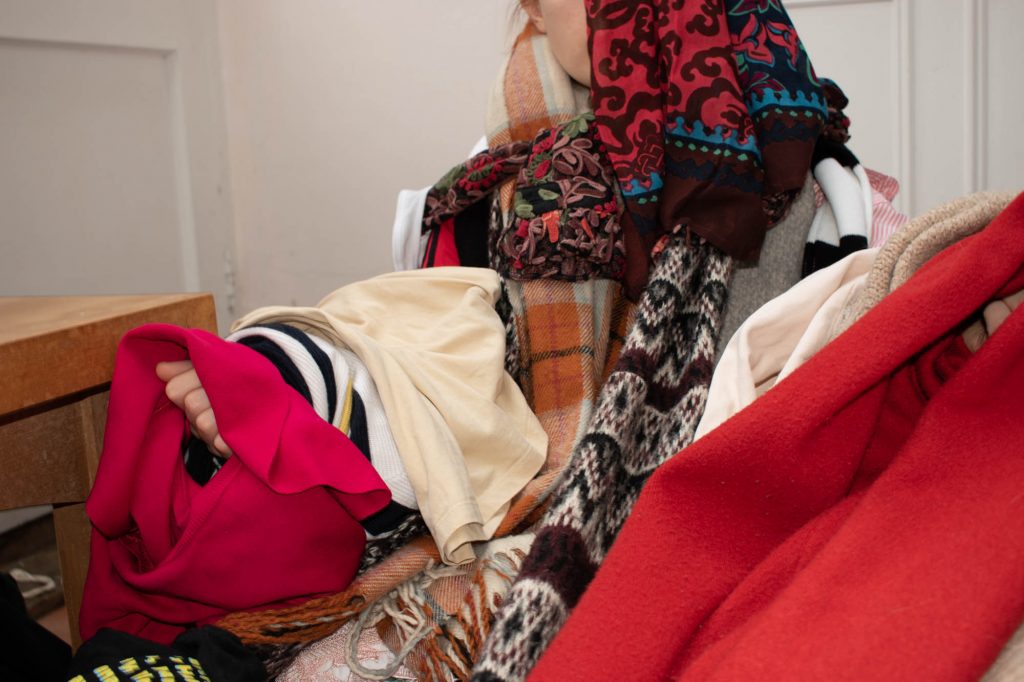
In April of this year, Girl Guiding UK released their 2020 Attitudes Survey. It revealed that most girls aged 11-21 (88% to be exact) have thought about changing their appearance, citing wanting to feel confident and fitting in as being most important. Most girls surveyed also understood the environmental implications that fast fashion has on the environment, but struggle with the pressure to buy the latest clothes and keep up with trends. Imogen, 17, recently changed her shopping habits from Missguided to Depop, a popular teen version of eBay, to be more environmentally friendly by buying second hand. Imogen initially bought into fast fashion because she enjoys fashion but also because of pressure from her peers, especially when dressing for events such as parties. ‘That’s kind of an unwritten rule but I don’t know where it’s come from, that worry of someone saying ‘oh, you wore that last time’ but it’s like you’ve worn that once, why does that matter?’
‘That’s kind of an unwritten rule but I don’t know where its come from, that worry of someone saying ‘oh, you wore that last time’ but its like you’ve worn that once, why does that matter?’
Whilst we laugh at the absurdity of the shock of people wearing clothes more than once (isn’t that what washing machines are for?!), Imogen is not alone in feeling this pressure.
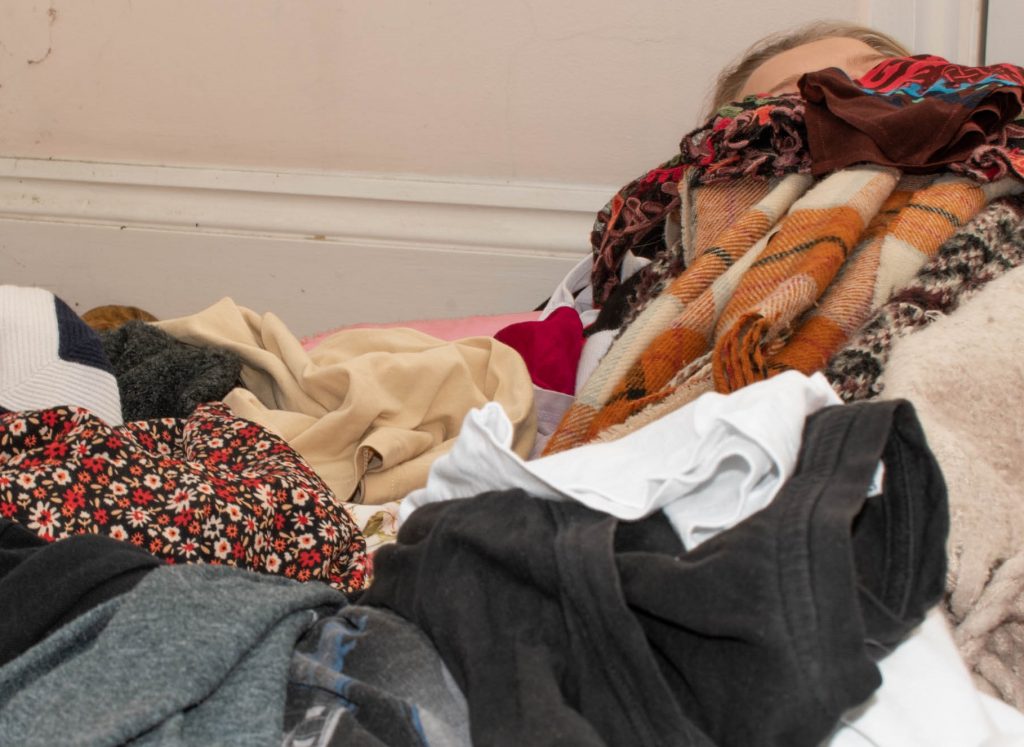
Even Cyara, an Oxford History graduate who first became aware of sustainable fashion through garment worker rights in her early teens, still feels this pressure. Cyara and I spoke about how confusing it often is to shop sustainably today, even when buying second-hand, as charity shops are becoming filled with unwanted fast fashion items. ‘After going through a period of low self esteem and mental health issues I had to buy more clothes because I didn’t fit in the ones I already had but even then, that idea of fast fashion simply transpired itself onto charity shops because I was still buying more than I needed.’
This notion of buying clothes constantly has become almost an unquestionable state of mind, so much so that I refer to my love affair with eBay until I gradually just bought less as a ‘weaning’ stage. This mindset of fast fashion and the ‘buy it now or forever miss out’ mentality has become so embedded, when we even think about giving it up it’s like we’re giving up something we can’t survive without.
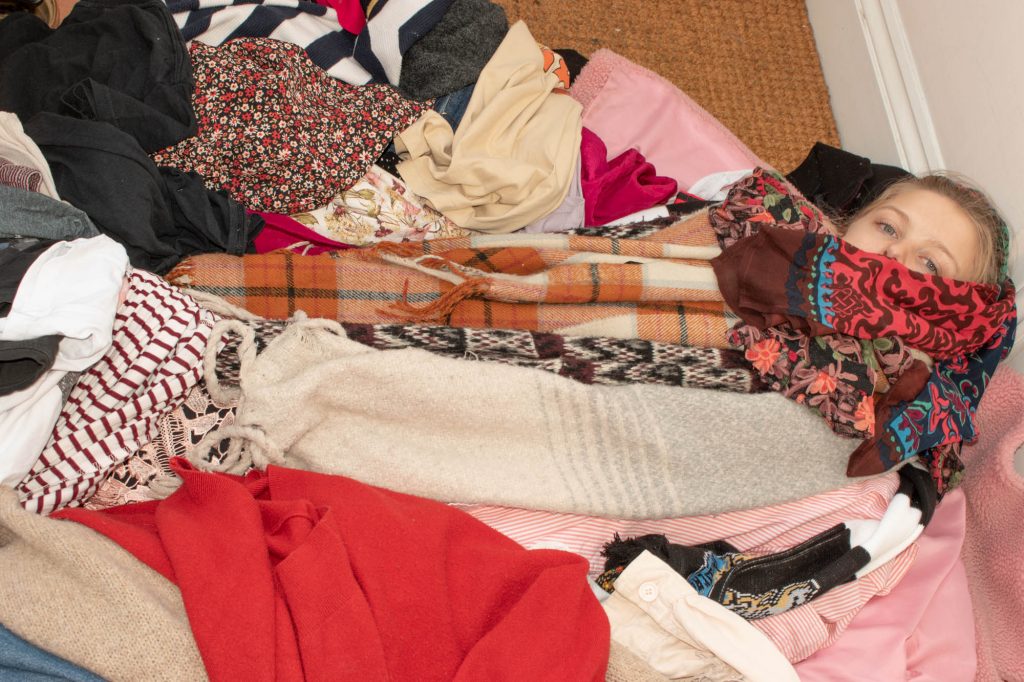
From what we know about the growing mental health problems that the young women of today face, this will only be adding to their worries, especially when we think of the rhetoric on the climate crisis. With scaremongering but often too accurate headlines about the climate crisis alongside government inaction, eco anxiety is becoming an increasing problem with young people today. Add this on to the everyday worries of an average woman who may have an awful day at school or work if she doesn’t look the part and this situation seems impossibly unfair to a generation whose mental health is already worse off than past generations.
I spoke to Georgie, a young person’s coordinator at mental health charity, Mind, and a theatre practitioner. Well versed in working with young women and understanding this pressure they face; Georgie is not at all surprised by the statistics that Girl Guiding UK reports. ‘I think young women, probably from the dawn of time have always faced some pressure to conform, some kind of pressure to fit in and this is not a new thing. This has only been highlighted further by social media and social media isn’t going anywhere anytime soon.’
‘I think young women have always faced some pressure to conform, some kind of pressure to fit in and this is not a new thing. This has only been highlighted further by social media.’
We all know social media is bad for our mental health. It only fuels ‘comparisonitus’ and furthers this standard of how to dress, how to look and how to stay on trend. This new borne influencer culture prevalent on social media tells us that everyone has something to sell. As this is pushing clothes with every like and post, women and their peers see these same images and standards for how they should look. Most often in these cases, fast fashion brands offer the way to look cool, relevant and on trend for only a few pounds. Whilst these women may know fast fashion is bad for the environment, this is a temptation that we cannot expect them to pass up all the time.
Speaking to these women about the pressure they feel around their appearance and the way they dress, it’s clear that we still live in a heavily misogynistic society, as these worries around what to wear and outfit repeating were rarely seen as being the concerns of young men. I asked Imogen if she ever wondered whether the boys at her parties are worried about how they look just as much as she and her friends are.
‘I don’t think boys would really care. And they wouldn’t notice either, if we wore something twice, I think it’s more of a girl thing in terms of pressure.’
This tells us a lot about just how deeply engrained the patriarchy is within women today. The fact that women are also policing each other on how they should look only speaks to their insecurities and worries they have about their own appearance. Fast fashion brands know this, and they profit off these vulnerabilities, by keeping prices down, and ironically exploiting other women in the process, they make these garments cheap and accessible. Fuelling a culture of throwaway fashion and everchanging trends, it is easy to see why young women are facing this crisis. But how to resolve this is the tricky question.
Both Imogen and Cyara believe that the younger generations need to be more informed around climate change. They both agree there needs to be more government action and regulation but ultimately believe it’s up to us to fight climate change. But Georgie, like myself, is concerned. ‘A lot of wanting to help the environment, wanting to save the environment, comes from establishing yourself first, because if you’re not confident in yourself, if you’re not confident in what your beliefs are, you’re not necessarily gonna put across your desire to fight climate change.’
‘A lot of wanting to help the environment comes from establishing yourself first. If you’re not confident in yourself, if you’re not confident in what your beliefs are, you’re not necessarily gonna put across your desire to fight climate change.’
As countless studies warn, we have a few years left before the damage to the environment becomes irreversible. The discourse for change highlights both the benefits of individual action and serious government regulation. After speaking to these young women, I do have hope. They are impressively smart individuals who care for the planet. And yet I cannot help but feel worried about the young women I haven’t spoken to. How do they manage the desire to be more environmentally friendly alongside trying to keep up with the astronomical pressures of simply being a young woman today?