‘Madame X and Our Changing Perceptions of Controversial Art’
In a 19th century exhibition in the Paris Salon hangs a full length portrait of a young red haired lady with a fallen strap. Madame X’s seductive stance speaks of a sexuality unheard of in French high society. Thousands of pieces of art stacked one on top of the other. You are entirely surrounded by paintings in gold gilded frames. A few metres above your gaze, Madame X stands in a low-cut shapely dress. She is enthralling, yet contentious.
Despite John Singer Sargent’s established popularity in the art world, his portrait did not receive an eye level placement in The Salon. A collection of experts at the French Academy of Fine Arts made up the jury to select which paintings would be exhibited and where they would hang. The far hanging placement of this painting was likely chosen due to its controversial nature. The portrait displays a woman for her mystique, beauty, and her scandal, but Parisian audiences knew exactly who she was: Virginie Amélie Avegno Gautreau. Critics disapproved of such an obtuse discussion of her infidelity; her affairs were known but were a subject not fit for polite society, especially when being told by an American artist.
The provocative image of her fallen strap disrupted the modest values of its audience and of The Salon itself. Sargent ultimately repainted a portion of the painting, where Madame Gautreau’s strap is placed back onto her shoulder. When comparing these two versions of the same portrait, the narrative drastically changes into one more palatable by French society. Despite this act to appease the critics, the damage had already been done; ‘Madame X’’s infamy had already taken root.
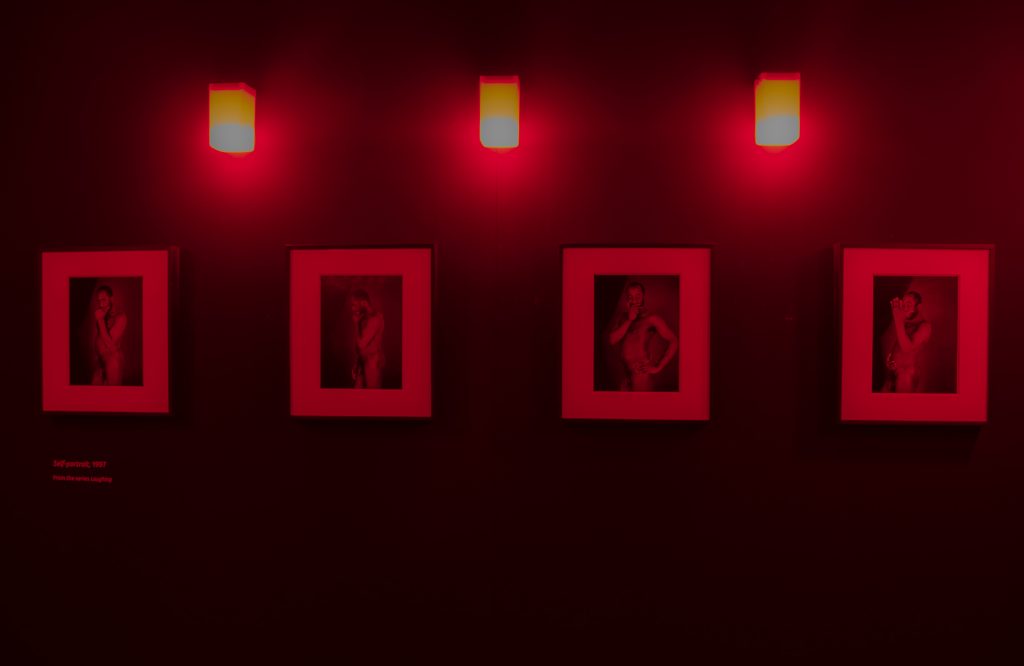
Today I am standing in front of a photograph of a gay man’s penis. Amaju’s exhibition ‘The Patron Saint of Darkrooms’ is a collection of photographs that work to celebrate ‘black queer bodies and pleasure as activism’. This exhibition challenges common conceptions around black masculinity, gender, sexuality, and the life of black LGBTQ+ people. It is truly ground-breaking.
Art is no longer a mirror to reflect the viewer’s own worldview.
Art enthusiasts now seek to immerse themselves in a foreign human experience. In the not too distant past, the art world was a space for affirmation between like-minded individuals, where a sort of echo chamber was nurtured. Conservative values had to align with the art in order to succeed. In recent years, there has been a profound shift in this reality. Women, people of colour, gay, trans etc communities are being heard. Their stories are not only being told, but they are being listened to. The sexual liberation of queer people is being displayed for all to see. This is a far cry from the outrage of 19th century audiences viewing a fallen strap on a woman. It is not just because we are able to see more of someone’s body in art that makes it progressive, it is whose experiences are being told. Whose life is being validated through standing in that gallery, viewing a black queer man having sex with another black queer man.
— Ajamu
“I want to pose the imagination, fiction and play in opposition to the constant framing our black queer bodies and nuanced lived experiences from within a sociological framework”
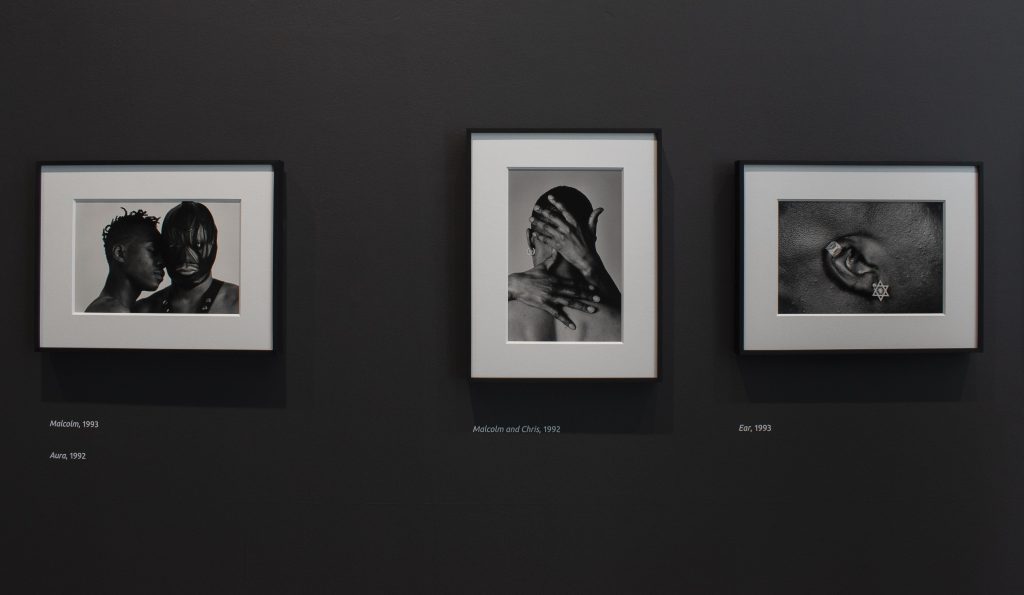
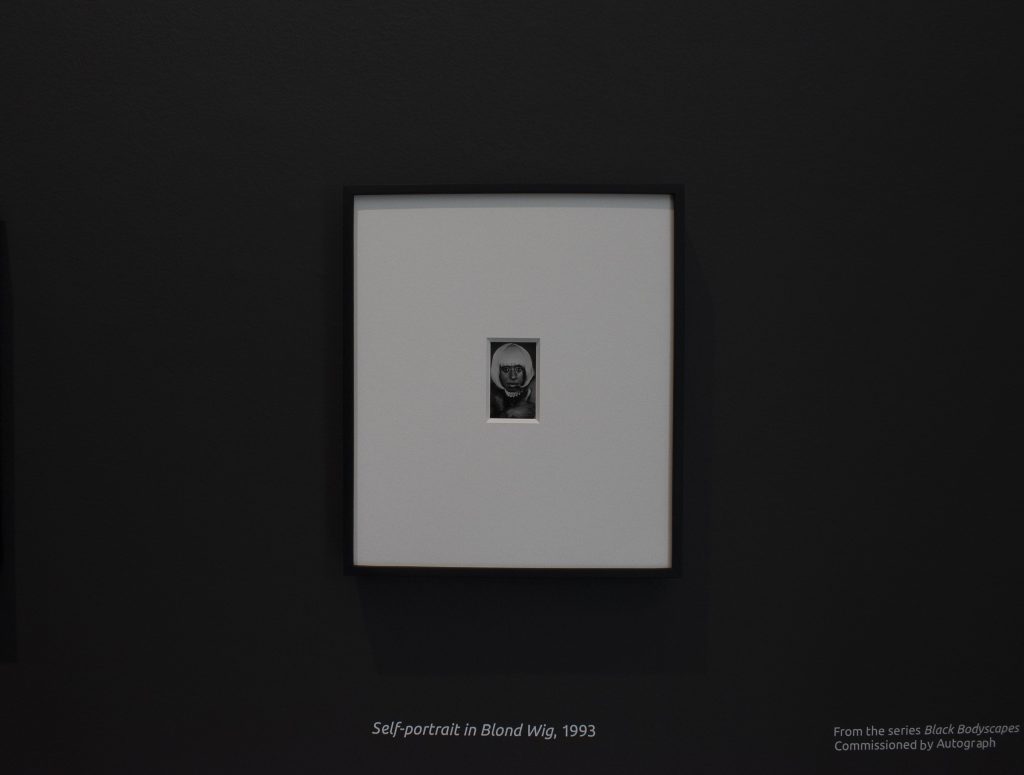
Aantu works at the Autograph gallery three days a week, and witnesses a lot of interesting responses to the art that is presented there. In this exhibition by Ajamu, there will inevitably be very different reactions to seeing the erotic imagery. She explains that Ajamu’s exhibition “is all about creating a space for black photographers, as well as people of colour, and giving them a space to spread awareness”. This is exactly the artist’s intention. Amaju’s celebration of “black queer bodies” disrupts the heteronormative narrative around black masculinity, and breathes life into the reality of queer men of colour. Aantu explains that coming from a first generation family, it means that art was not necessarily a path for her to go into, and that she was “introduced to the art world through school”. She comments on how it is most interesting when university groups come into this exhibition, as they always have a discussion at the end of their viewing. With the latex structure in the middle of the room, there have been several interpretations that she has overheard, with some saying that “they don’t get it” or some saying “this is amazing, we need more of this”. Ultimately, there are always going to be challenging receptions to such topics displayed in art, and being in a position witnessing thousands of people’s interactions with art certainly opens one’s mind to alternative perceptions.
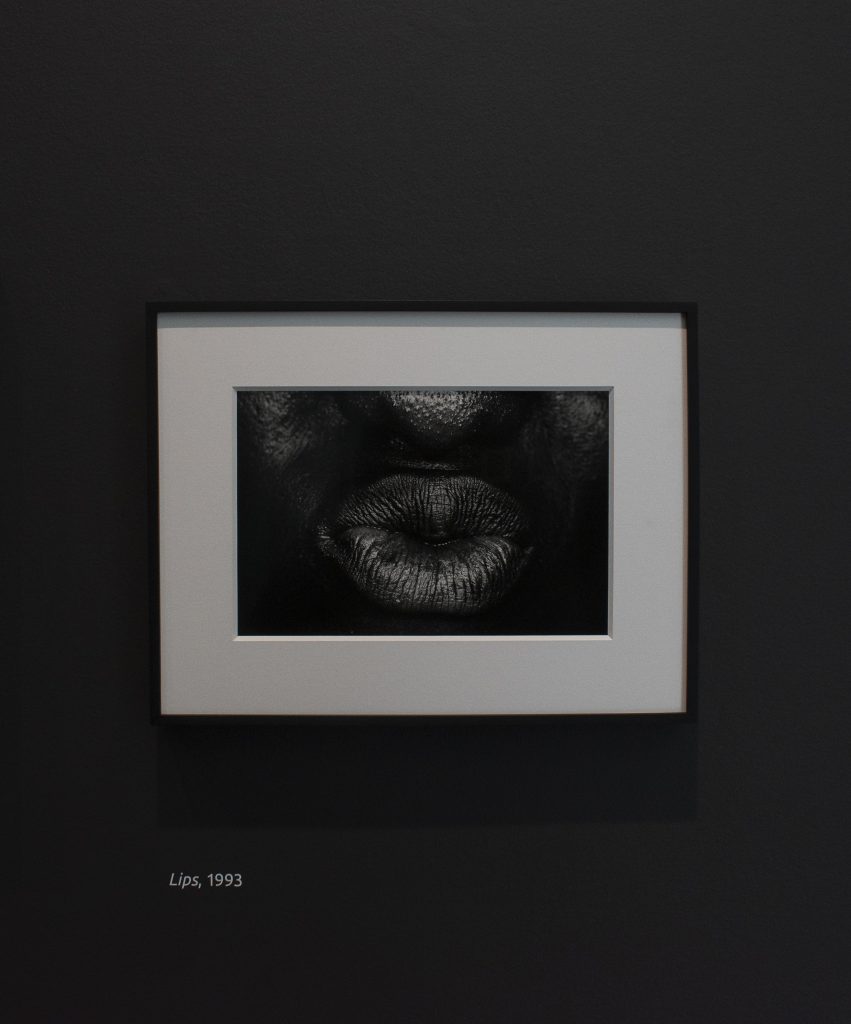
This shift in what audiences look for in art has shaken the art world. Rather than a mirror, art is a window to see into a world unknown to oneself. We are no longer passive observers seeking validation of our own preconceptions, but willing participants in a creative dialogue.
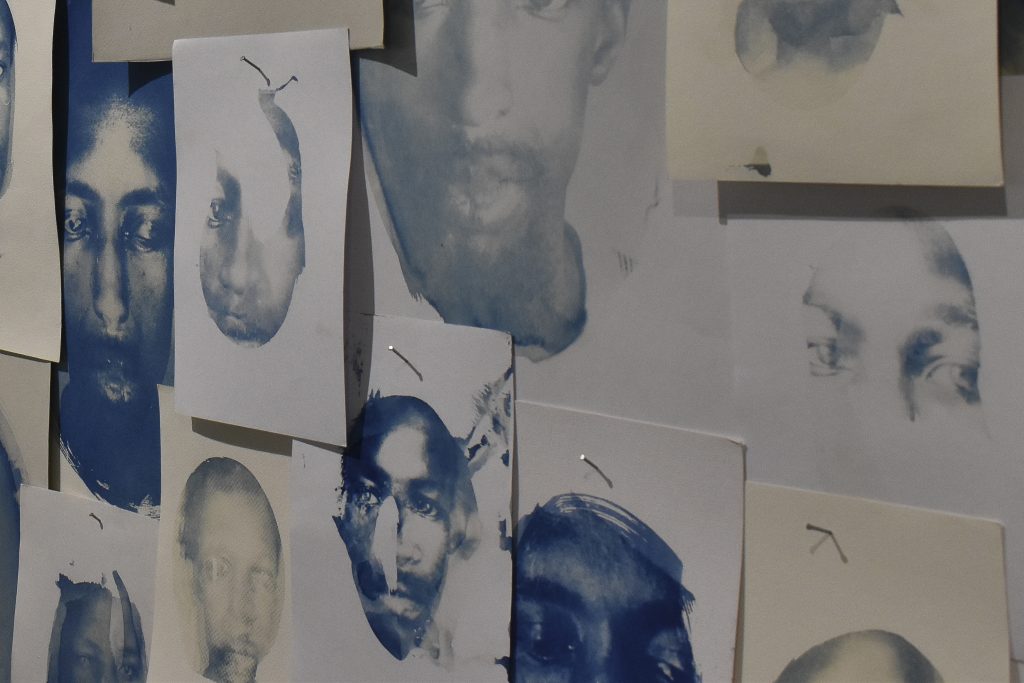
Art exhibitions work as a catalyst for social and political change. Inclusivity has driven the dialogue on critical issues. Art acts as a platform for the underrepresented, and when an institution such as the Autograph gallery values the voice of those underrepresented, then a more accepting and understanding future is laying in front of us, we just have to look into that window.