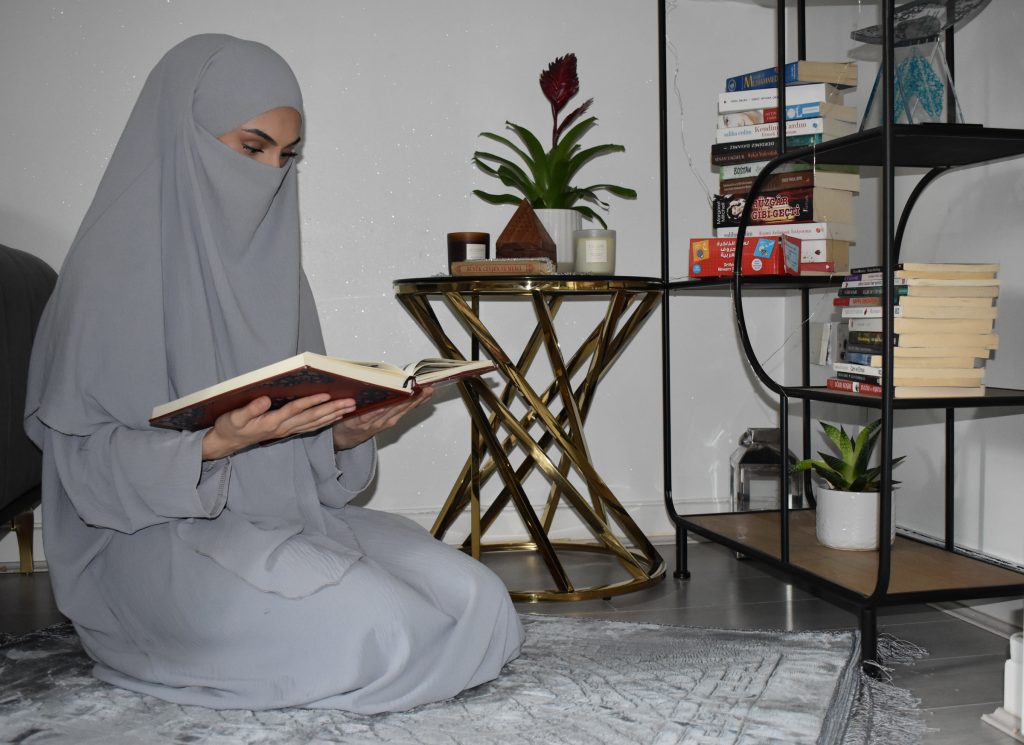
How do Muslim women, living in a Western society, feel about the negative stereotypes made about their personal beliefs?
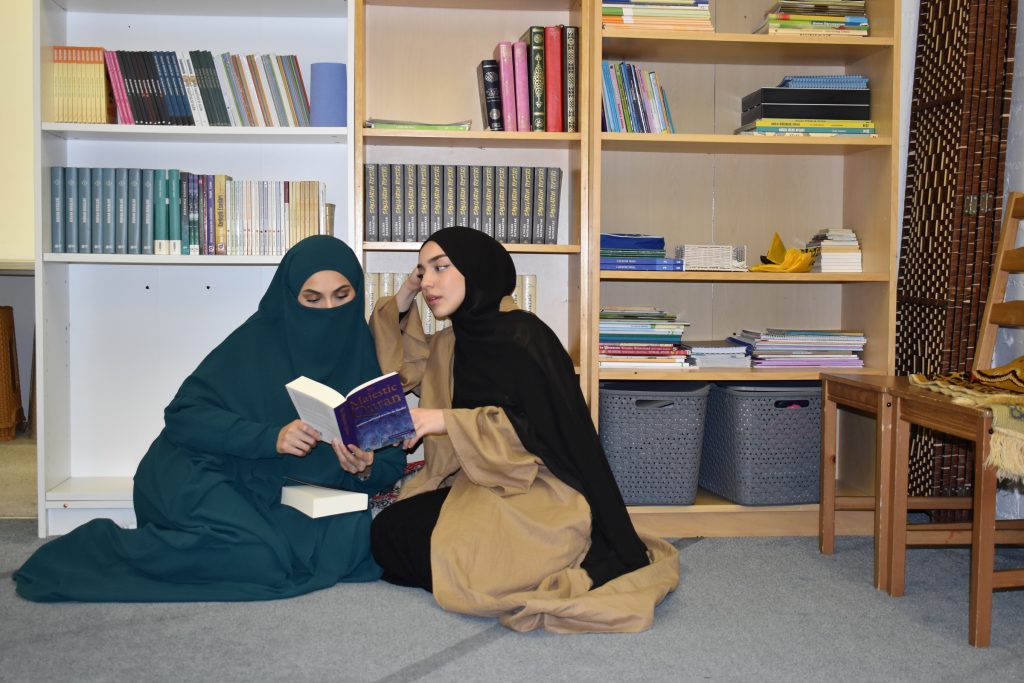
“Isn’t Islam restricting you too much?” People asked me when I became closer to Islam. When I first put a stop to any sort of consumption of alcohol, due to the fact that alcohol is haram (forbidden) in Islam, this completely changed people’s opinions of me as well as contrasting the British drinking culture. The ‘British drinking culture’ is simply just the appreciation and enjoyment Britain has on regular drinking. Expressing to the people around me that I can’t have a casual glass of wine at a family function, or a cocktail on a girls night out anymore, meant that I was “boring”, “shouldn’t bother going out” and that “Islam is limiting my fun”. Yet, stopping all consumption of alcohol has had a positive impact on my mental health as well as made me realise that I can have fun without alcohol!
People have made me believe that by doing things for the sake of God it oppresses me, however if other people stopped doing the same activities for different reasons, they would probably be deemed as strong minded and confident for not complying with society’s norms. This is only one of the many examples in which people have made me feel that I was oppressed as a Muslim woman.
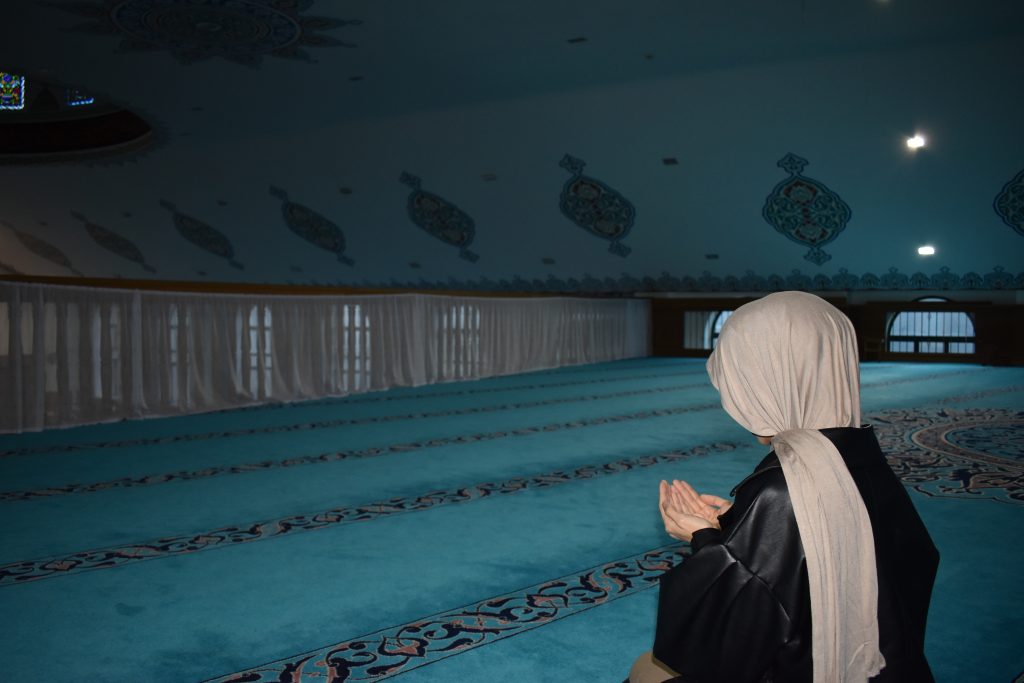
Even though I may not fit in with the standard appearance of a Muslim woman, by wearing a hijab, niqab etc, people have still made a mockery of how I live my life based on my religious beliefs and I have felt excluded as well as a sense of tension when I am around different communities. So I wonder how much worse a woman ,who is fully covered, would feel. When I started to practise my religion I finally felt at peace and happy within myself, which society encourages right? No, not for me. As I was taking steps through my religious journey I felt more judged and segregated by people around me because the changes I made in my life were seen as “too extreme”. What happened to the society that emphasises on “doing what makes you happy”?
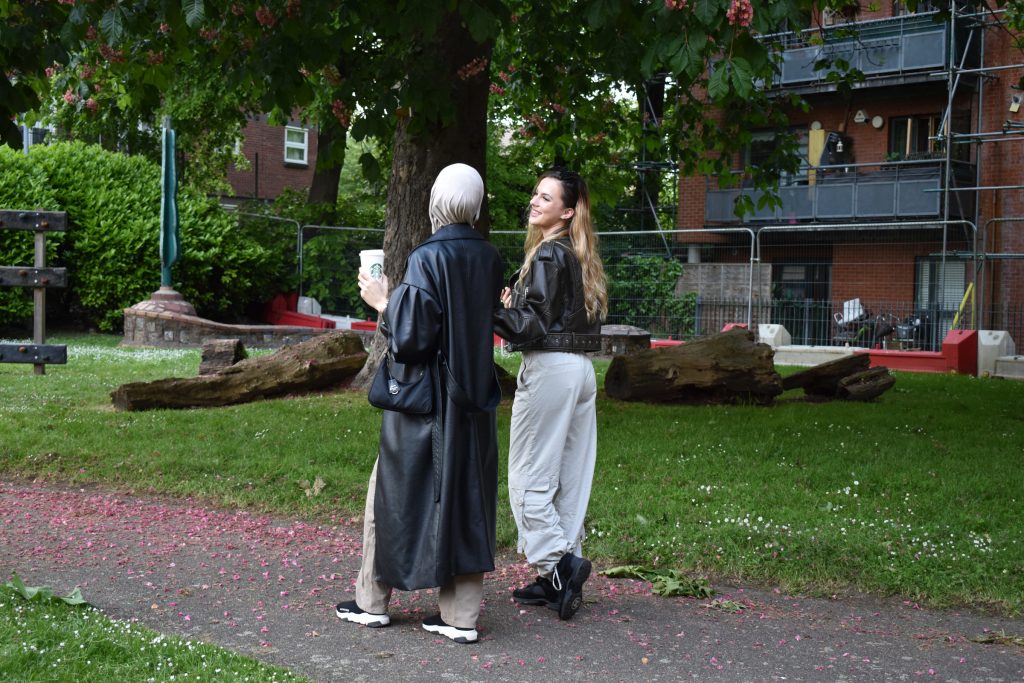
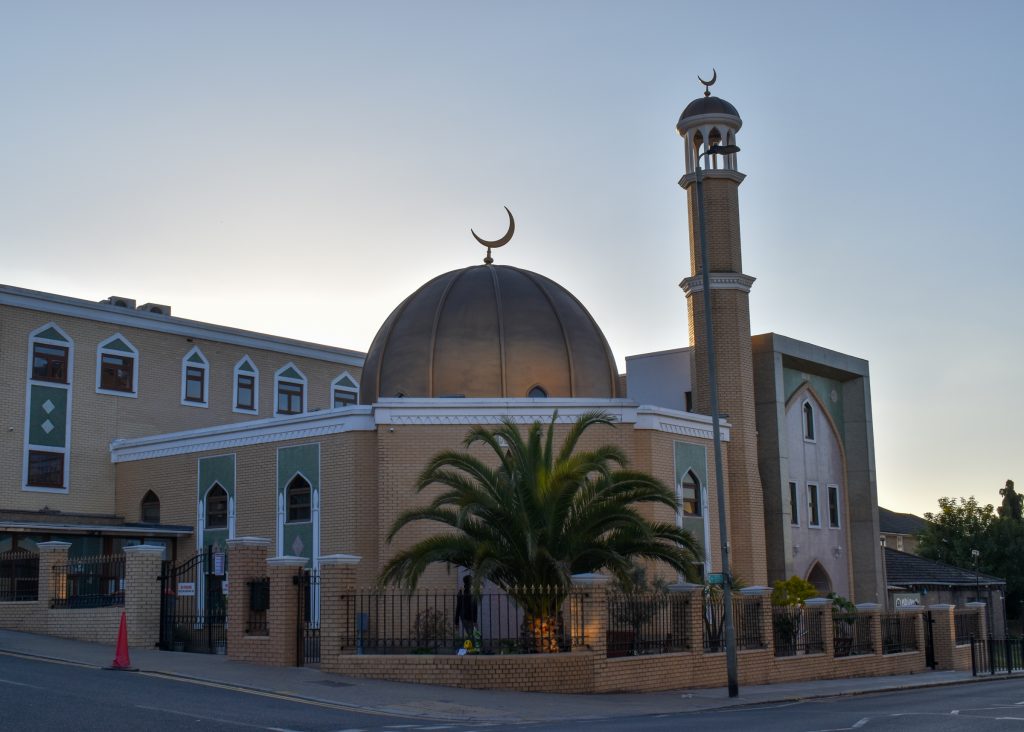
Living in a society where if you do not live by the standards or expectations, you will certainly feel like an outcast. It is fair to say that in many Westernised societies religion is not heavily practised and sometimes even frowned upon if you are “too religious” ; as you may be viewed as an extremist. Islam is one of the religions that society has judged for its beliefs, as it goes against typical norms of the Western cultures. Factors such as dressing modestly, not consuming alcohol or drugs, which are beliefs that Muslim people follow, has made society people believe that Muslims, specifically Muslim women, are “oppressed”. Due to the fact that societies have become more secular in the past few decades, if you uphold religious beliefs then you would be made to feel as a burden in society. Yet people ignore the fact that as Muslim women we can still live ‘normal lives’ like everyone else, even whilst practising our religion.
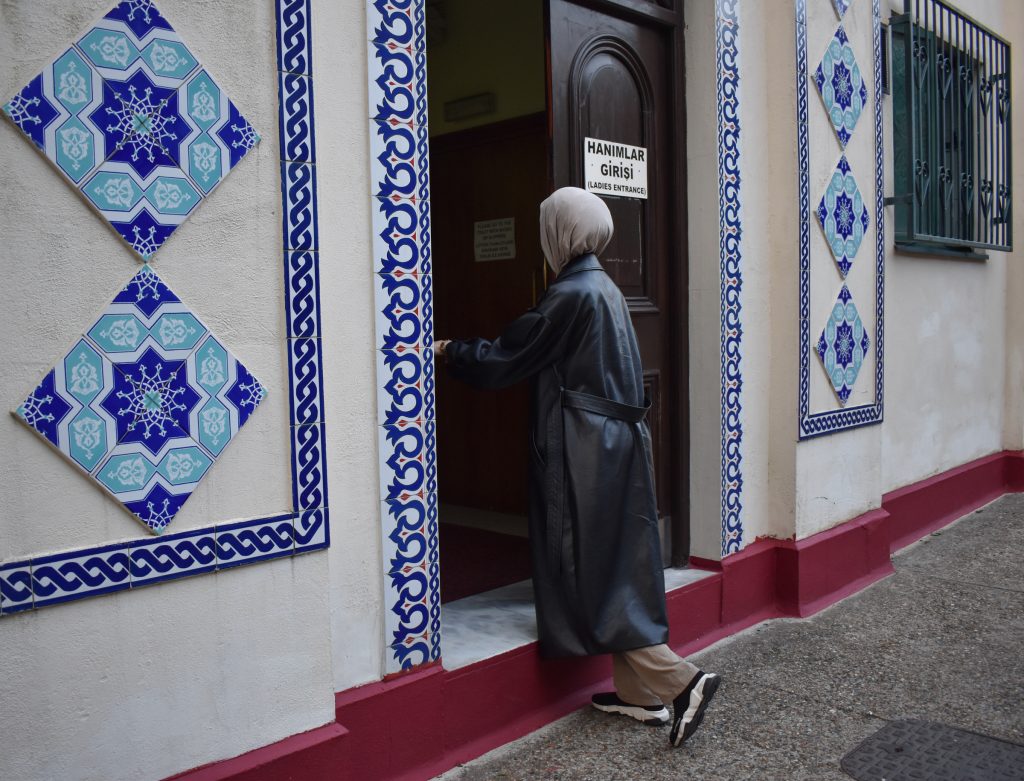
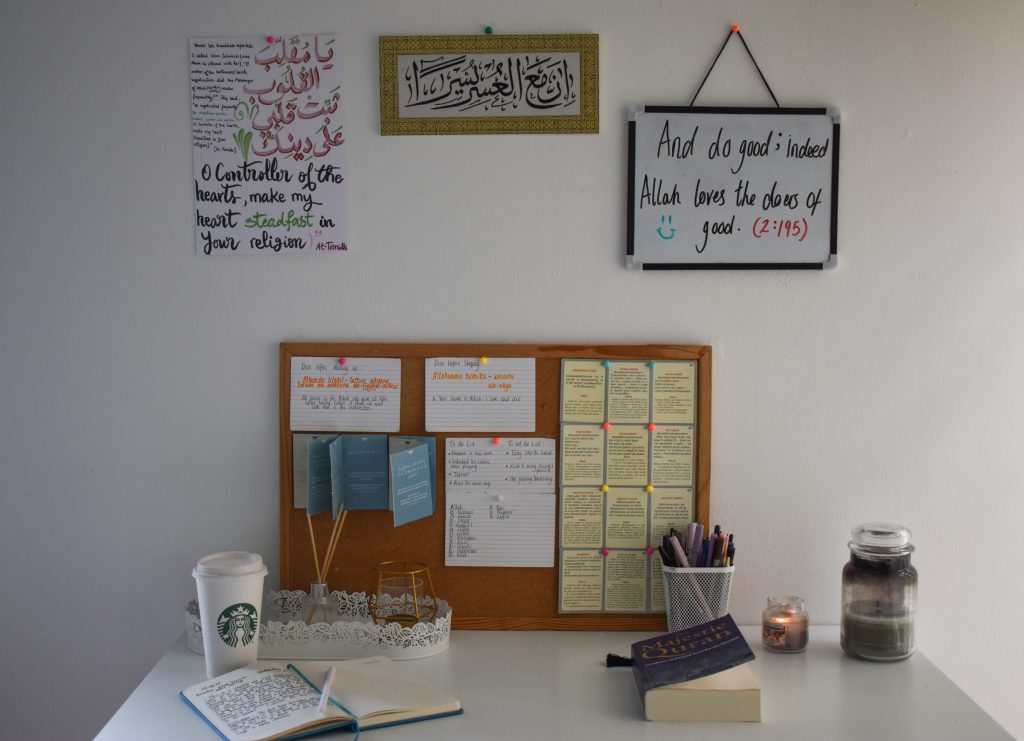
The stereotypes of “Muslim women being oppressed” stems from the fact that people believe Muslim women are forced to act a certain way because of our religion, for example dressing modestly. Zilan, 24, a young woman who is a part of my local Muslim community, says that “by wearing the hijab I am judged by character rather than my appearance…I feel empowered as I am in control of who can see my beauty…When I decided to wear the hijab I felt more content and complete within myself.” In the media and in many news stories, they describe that clothing such as the niqab or burqa violates women’s rights, yet many Muslim women whom I have encountered and discussed this topic with, argue that they feel “more liberated and empowered” within themselves. Therefore, the only violation of women’s rights are the ones that do not allow women to dress or act in a way that makes them happy and comfortable within themselves. Many young, Muslim women, such as Zilan, say that by dressing modestly they do not have to “abide by beauty standards” which has made them feel “less insecure”, and this has had a positive impact on their confidence as well as their mental health.
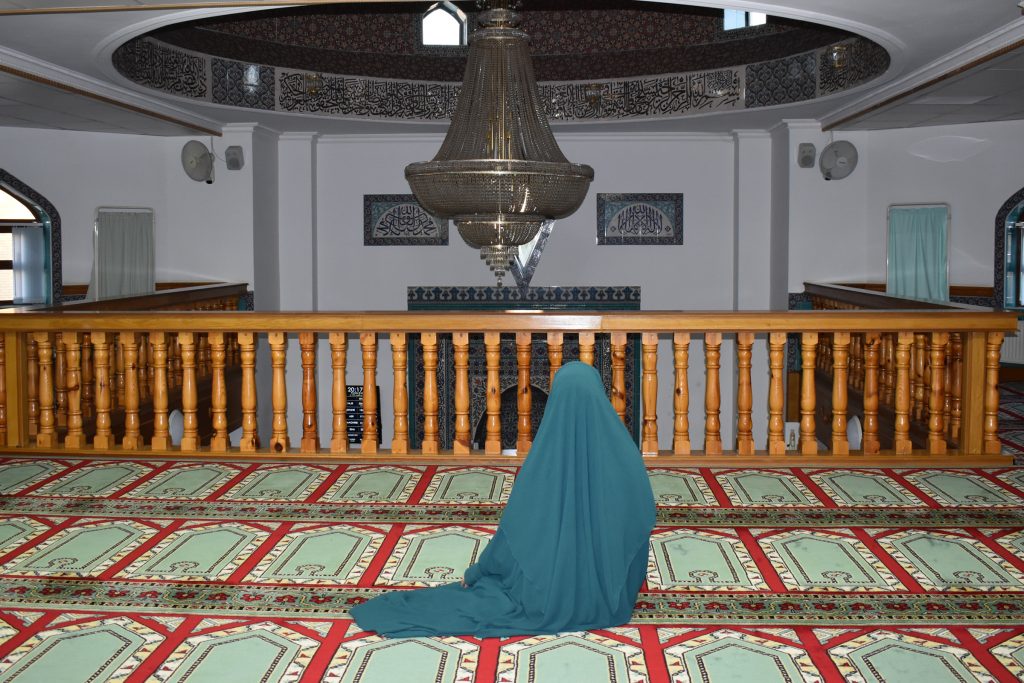
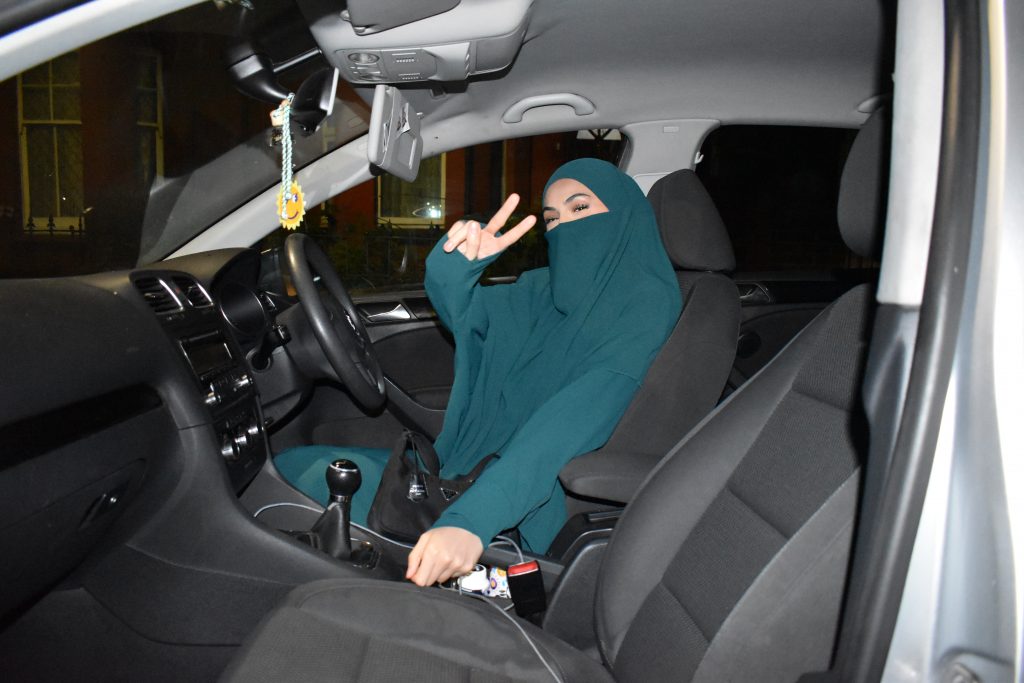
Yes, there are still many oppressed Muslim women around the world. However this is not due to Islam or what is written in the Quran, these are political regimes that governments around the world have tried to justify with religion. In Saudi Arabia, a predominantly Muslim country, it was illegal for women to drive up until 2018, which made many people believe Muslim women were being restricted. Which completely contradicts our religion that is based upon fairness and equality. You may not be able to see the smile behind a niqab or burqa, but believe there is a happy, free, ordinary woman behind it.
“Their Lord responded to them: “I never fail to reward any worker among you for any work you do, be you male or female- you are equal to one another.” (Quran, 3:195).