Mingjun, a 19-year-old girl from Shanghai who was accepted by her dream university this year is not as happy as she should be. After noticing unusual behaviours, such as using laxatives and inducing vomiting after eating, her parents decided to withdraw her from her studies. ‘Based on her willingness, we still made that decision although it was extremely hard for us’, said Mingjun’s parents. In the beginning, they had no idea why their daughter, who was always bright and optimistic about everything, became different until they accidentally discovered her diary. ‘I cannot bear going to school, even the public again. Every time I go to a crowded space, there is always a voice there saying “nobody will want to see such a fat girl”.
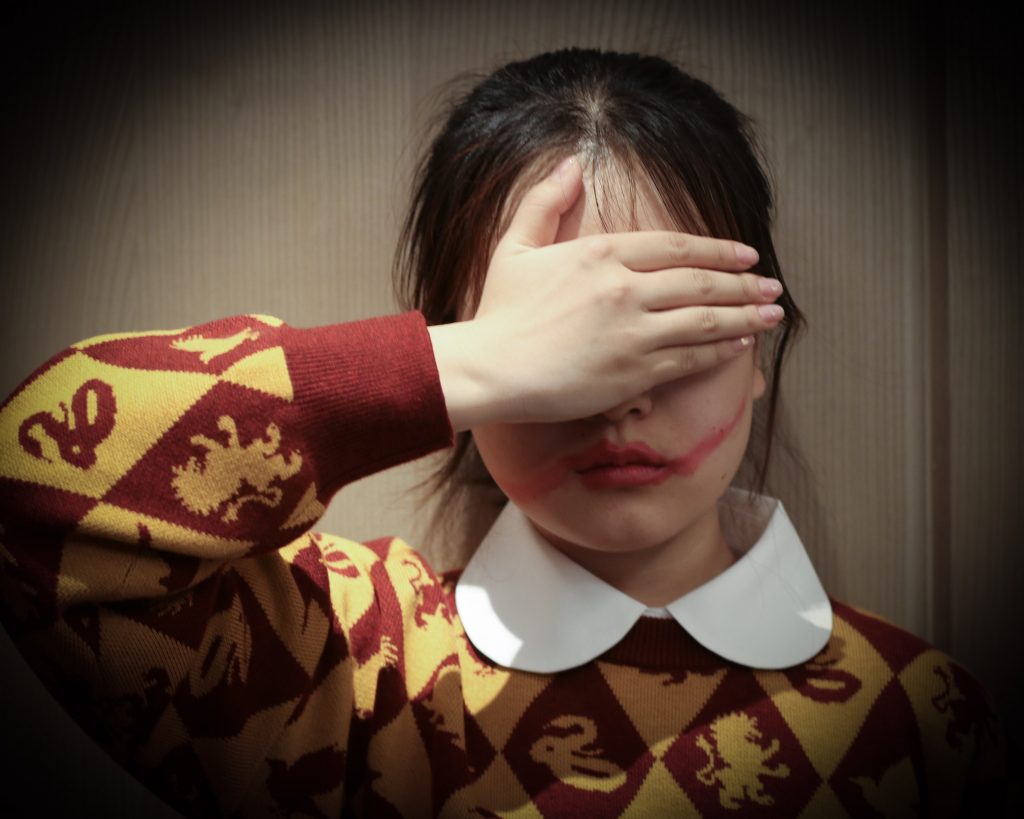
‘I cannot bear going to school, even the public again. Every time I go to a crowded space, there is always a voice there saying: nobody will want to see such a fat girl’.
—– Mingjun
However, the truth is, Mingjun only weighs 114lb (52kg) and is 5’6 feet (168cm) tall. Mingjun was diagnosed with a serious eating disorder and is currently being treated by professional therapists.
Mingjun is not alone; increasing numbers of young Chinese girls are pursuing unachievable standards when it comes to their bodies. Society tends to ignore this situation and serious issues arise as a result. In fact, eating disorders are now becoming more global nowadays instead of occurring solely among adolescent Caucasian females in Western countries. According to Kathleen Pike, one scholar in Psychiatry and Epidemiology at Columbia University, as the new millennium approached, EDs in non-Western cultures steadily increased. There is increasing evidence from her research to show that eating disorders are now one of the greatest mental health issues among Chinese females.
For example, in recent years, online discussion boards such as Baidu Tieba have seen the phenomenon of rising membership in ‘Vomit Bars’,places where female netizens can discuss their experiences of eating disorders. The majority of these young females in China who are suffering from eating disorders think that the root of this issue is the extreme pursuit of a rigid body figure which is promoted in mainstream magazines and by online celebrities in China. Also, the diverse educational backgrounds of netizens is a possible reason for the online body-shaming of women’s figures.
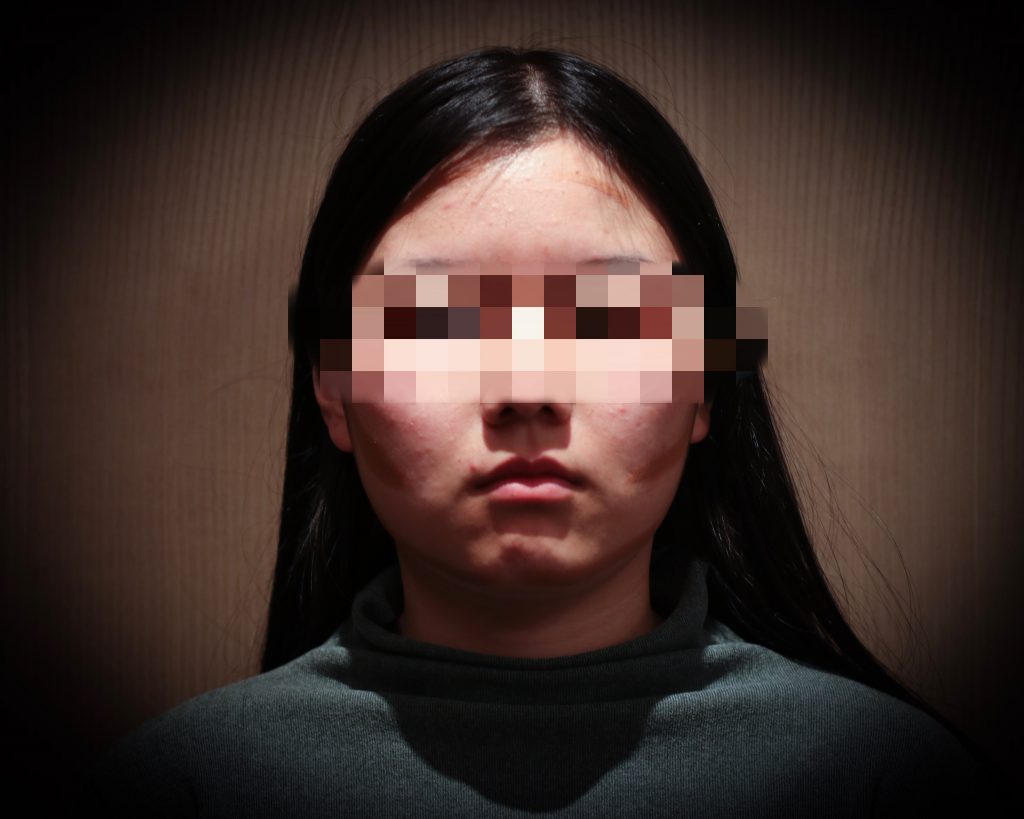
‘Every time I post my pictures online, there are always boys who are laughing at me and describing me as a tank’
—–Mingjun
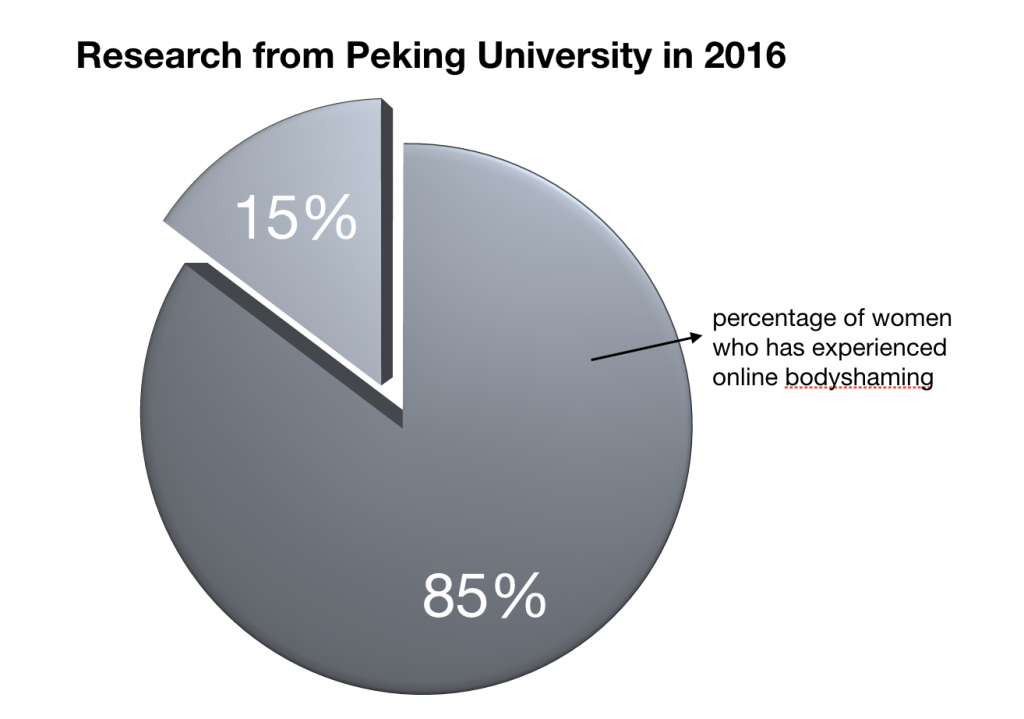
In Chinese society, using extremely disrespectful phrases to describe the physical appearance of women is not a recent issue and has been influenced by traditional Confucius patriarchal ideas for a long time. The rapid development of social media platforms has worsened the situation, enabling male netizens to write hurtful comments under women’s selfies in one second. According to the Department of Social Science at Peking University, since 2016, 85% of Chinese women have felt anxious and easily influenced by negative comments on social media platforms about their physical appearance, especially those posted by male netizens.
Unlike Mingjun, many Chinese girls are not as lucky when it comes to receiving support from their families or appropriate treatment from psychological therapists. According to Joyce Ma (who conducted a 10-year research project on anorexia in Hong Kong), this is due to the stigma about mental illness that exists in Asian cultures, and these girls are bearing all the mental stress as a consequence of their struggle to meet Chinese beauty standards.
Zixin, a 25-year-old girl who works in Beijing and has had six plastic surgery procedures, said that she goes to a great deal of effort to meet the standards of what the majority of people in China define as beauty: porcelain skin, a sharp chin, a high nose-bridge and doll-like eyes. In December, she will undergo a seventh surgical procedure because she is still not satisfied with how she looks.
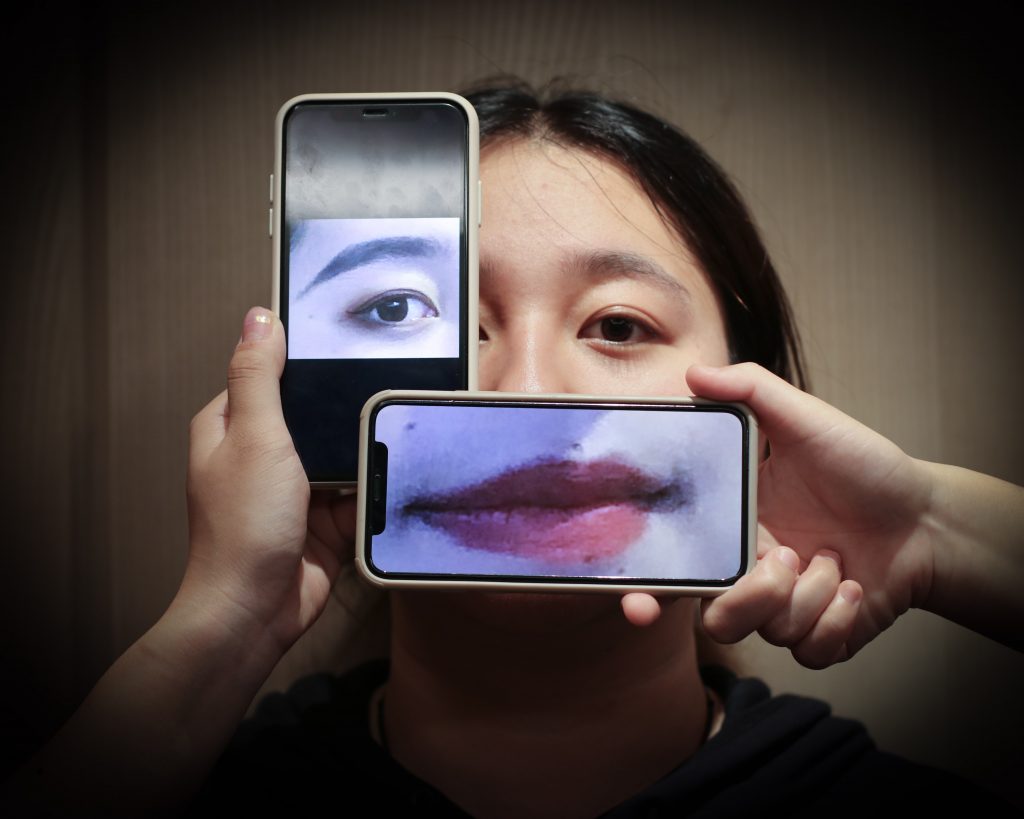
‘Sometimes, I even describe myself as a plastic surgery maniac. I know it hurts and costs me lots of money, but I cannot stop comparing myself with those perfect selfies posted on social media by other girls’,
—– Zixin
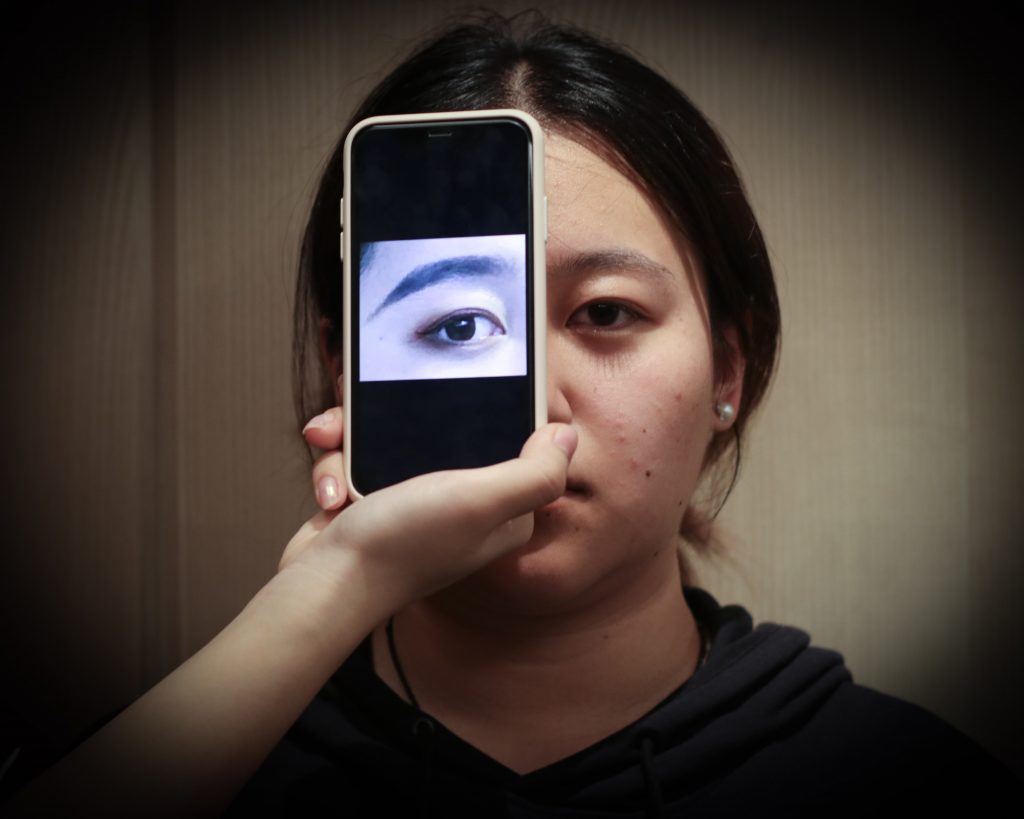
For the past decade, South Korea has been the plastic surgery hub of Asia, therefore, some people think it is the country with the most rigid beauty standards in Asia. However, China is catching up at a rapid rate. According to Professor Liangping at Peking University, social media and popular social media influencers (which are known as 网红 culture), and the country’s fixation on selfies is the reason for the nationwide epidemic of beauty dysmorphia. Professor Liangping has researched 网红 culture for more than 6 years. SoYoung, an online app that provides services for prospective patients to connect with beauty clinics made its Nasdaq debut this year. Also, the photo-editing app, Meitu, which was described by New Yorker as ‘having the power to literally transform the face of China’ has more than 5 billion active users.
As Tanjia, a professor who specialises in gender and media studies at the Chinese University of Hong Kong highlights in her current research, the country’s transition to capitalism has been accompanied by setbacks in the area of gender equality. In recent decades especially, women have faced height, weight and beauty requirements when seeking jobs in the workplace; prospective female employees in certain service industries are assessed based on these requirements prior to being offered a job. China’s increasing emphasis on women’s body image has worryingly caused the majority of women to become strict about their physical appearance.
According to Stacey Leung, a Weibo influencer who leads the Chinese social media feminism movement, ‘The high-speed industrialisation after the economic reform policies in the 1980s which changed us from a poor country to one of the world’s largest economies is the hidden reason for this. The nation and every single citizen became obsessed with self-improvement and perfectionism. Also, every female in China has a strict rule of self-surveillance towards themselves, but nobody realises that the rooted patriarchy which only gave males rights to judge what we look like through male gaze is the true problem’.
In 2019, Stacey Leung launched a feminist campaign named ‘DoItMyOwnWay’ on major Chinese social media platforms such as Weibo and Douban. ‘We encourage women in all age groups to post their bare skin without any make-up and photo-edits and their natural body on Weibo with the hashtag #DoItMyOwnWay#. Although those pictures may be judged by other male netizens as “imperfect bodies”, I really hope this hashtag can be an online supporting family for all women to feel confident about their natural look and gain empowerment and encouragement’.
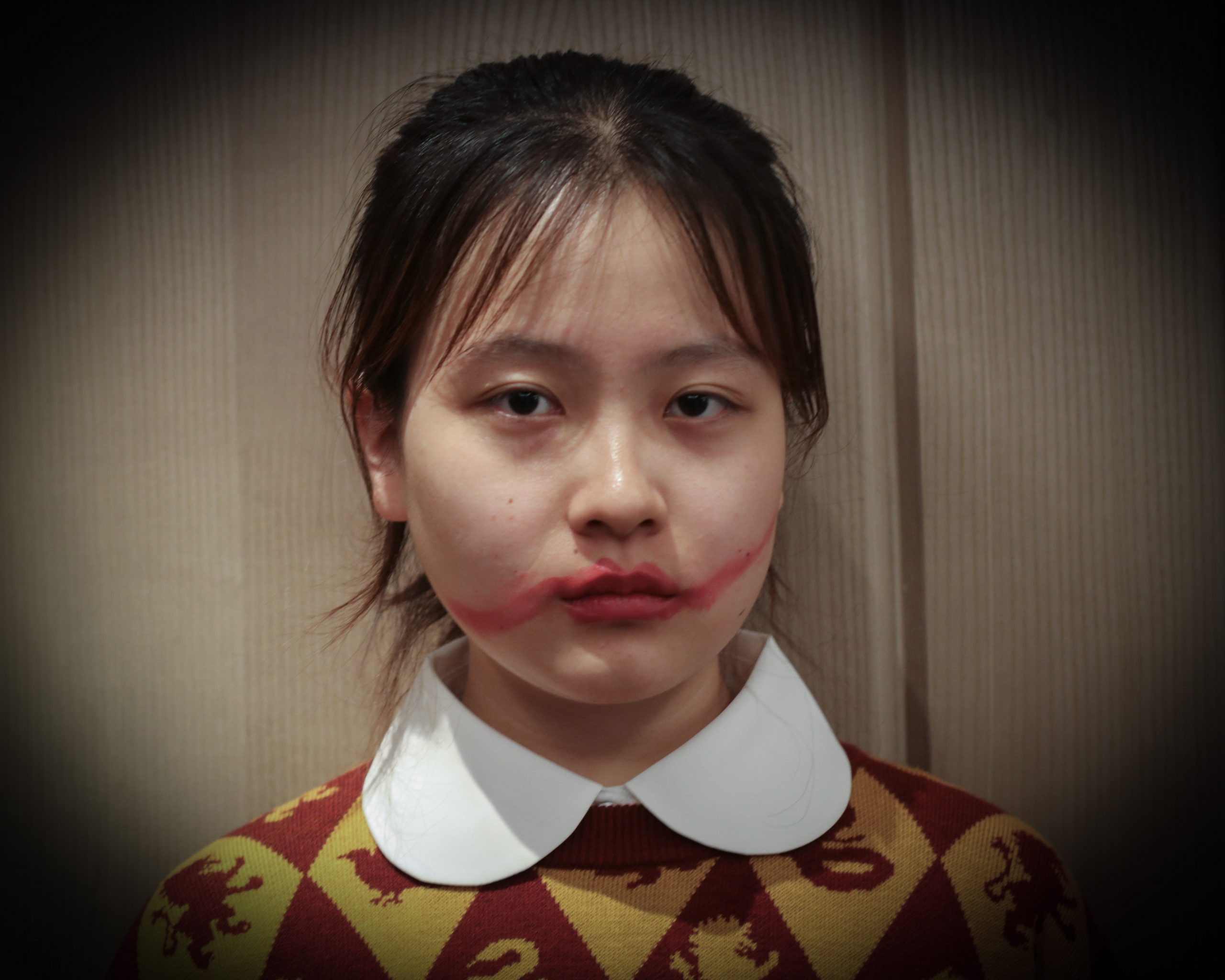
To date, #DoItMyOwnWay# has received 15,000 posts and more than 100,000 views on Weibo. Luckily, both Mingjun and Zixin are part of this campaign. After 10 months of treatment, Mingjun has returned to university to study her dream major: Media and Communication Studies. ‘I really appreciate Stacey to start such a meaningful campaign. That means a lot to me as a girl who had been suffering from eating disorders and body shaming for nearly the whole year. I hope someday I can work with her and join the fight with the knowledge I gained from the university’. Although Zixin still likes plastic surgery and taking selfies, she is actively trying to embrace her insecurities. ‘Now I tried to embrace myself after receiving so many encouragements from other girls under #DoItMyOwnWay# posts. I am not feeling alone anymore with all that warm support. Now, I am not doing all these to satisfy men, but all for my self-pleasant’, she said.