Social media platforms have not only allowed people to stay connected to friends and family but also be part of common global projects from the comfort of their homes. Activism online has become one of the most popular ways of bringing awareness and change to social justice issues around the world.
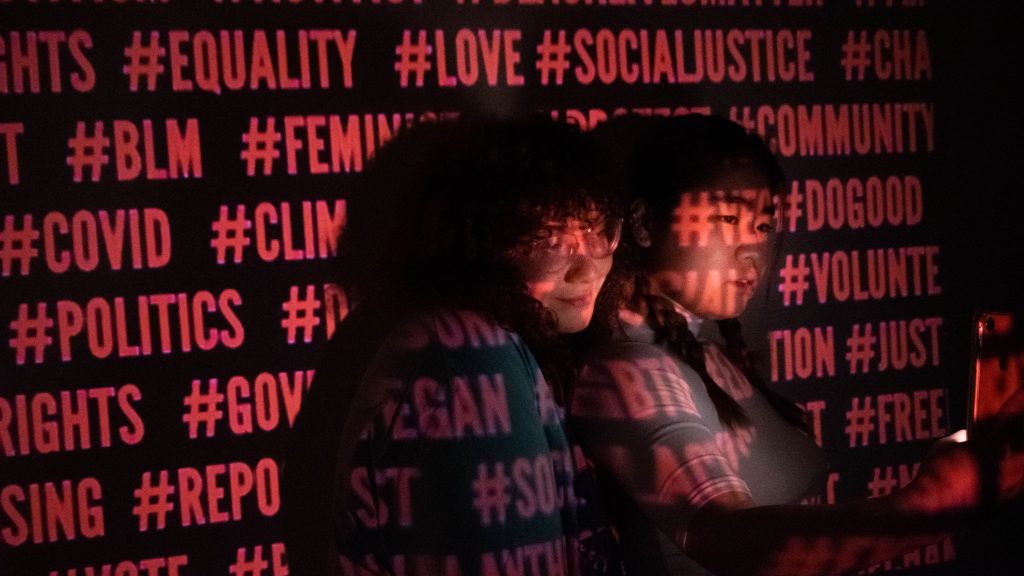
Madinah Wardak, an Afghan American youth advocate social worker based in Los Angeles, discusses her contribution to activism on Instagram. Wardak uses her Instagram account, @burqasandbeer as a chronicle of her life. However, for her 25 thousand followers, she is known for publishing informative slideshows that are unique to the live events around the world.
“Most of the time I feel like there’s too much information that I want to get out there, but it helps to have engaging followers. I’ll ask my followers to choose between several topics for Monday, and getting that feedback is very helpful.” The engagement on her posts are almost chain-like: her followers share her post on their stories and their followers repeat the process.
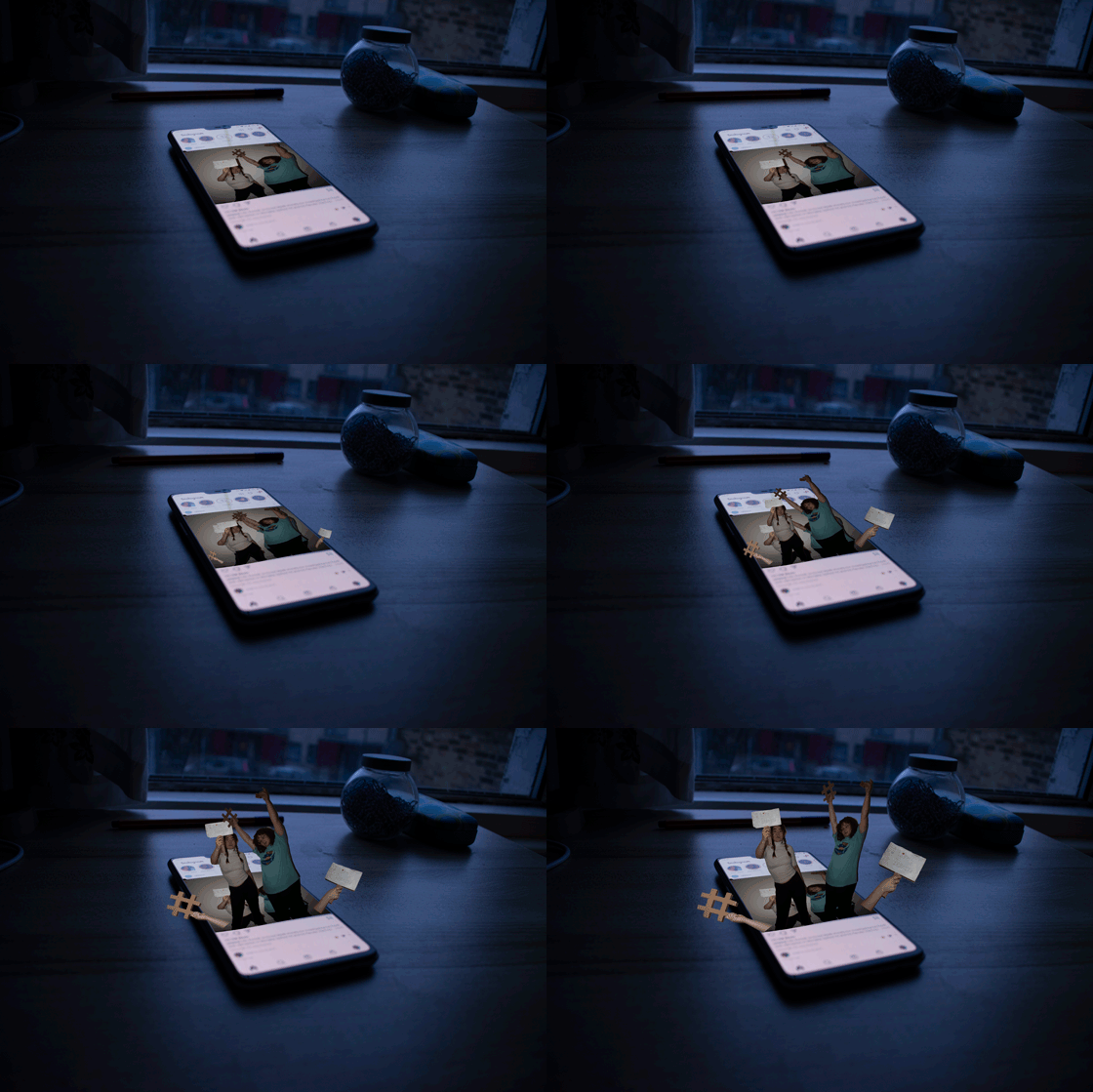
One of the biggest chain reactions on social media happened last summer. Millions of black squares were shared on Instagram. Many were quick to name that act performative activism. But do Instagram posts and hashtags really bring any concrete change?
“Social media is becoming an effective broadcast medium that could be used to bring a lot of people together”
According to a study on the Black Lives Matter movement, the hashtag #BlackLivesMatter had gained millions of daily interactions across different social media platforms. Although the movement has been prevalent since 2013, the significant worldwide online response to George Floyd’s death led to intensely more protests in recent history. The societal and political changes of the movement were also evident. This led to several law changes including Breonna’s law, which banned no-knock warrants in the US in the summer of 2020.
“With social media platforms, activists can reach a mass audience. Social media is becoming an effective broadcast medium that could be used to bring a lot of people together,” says Dr. Jacob Mukherjee, the convener of MA political communication at Goldsmiths.
Although Wardak does not associate herself as a social media activist, her involvement on Instagram has also led to some significant changes. Last summer Wardak criticised an American musical, called The Boy Who Danced. This gained plenty of attraction and support from the Afghan diaspora all over the world. The post highlighting the problematic glamorisation of “bacha bazi”, which is essentially paedophilia in Afghanistan, went viral in July 2020 when it was shared on thousands of Instagram stories.
“Instagram has been a powerful tool for the messages that I want to get out.”
As a result, Wardak gathered a group of Afghan American experts and arranged a zoom meeting with the creators of the musical. The creators issued a public apology after realising their lack of due diligence to the Afghan community, and soon afterwards stopped broadcasting the musical. They also removed their social media marketing campaigns. However, the proceeds that were earlier made from the play were directed to a non-profit organisation in Afghanistan.
If it wasn’t for her Instagram followers, the campaign would have never received the attention it got. “Instagram is easy, it reaches people faster. That (Instagram) is mainly where I put out information and that’s mainly where I’ve gotten my following. It’s very user friendly to me and it has been a powerful tool for the messages that I want to get out.”
On the other hand, Dr. Mukherjee thinks that social media has also given rise to an assertive performative culture, as it is mostly about instant reactions. “Because at the end of the day social media platforms are based around one’s own individual profile and identity. They (the platforms) channel you into a self-promotional behaviour, because you’re looking for the likes and comments.”
“Social media platforms channel you into a self-promotional behaviour, because you’re looking for the likes and comments.”
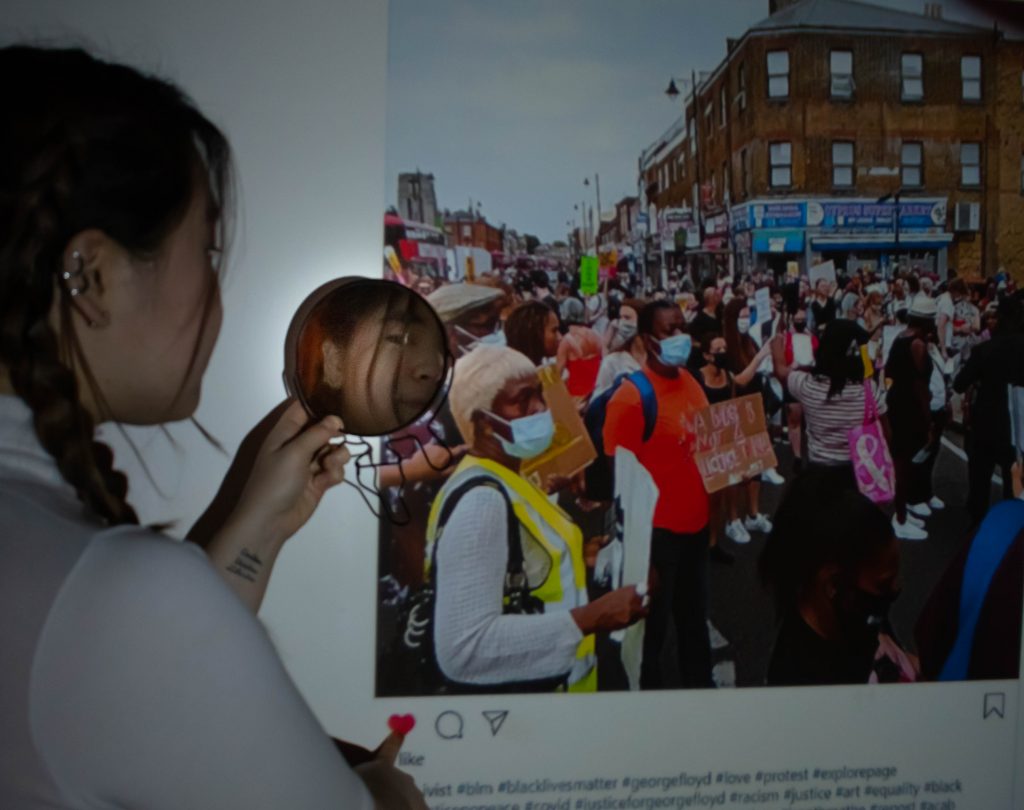
A 20-year-old avid social media user, Yasmin Faraj agrees on the hypocrisy that she comes across on social media. “Sometimes I see someone post about a certain topic, but I know that in real life they’re not really doing anything else to make that situation better.” At the same time she thinks because almost everyone is on social media, reposting things do make a difference even if the intention isn’t there. “Someone can get their first exposure from your post, and even if they don’t actively think about it, they might still have it in the back of their head. And with enough repetition on several people’s posts, they might get curious later and search for more information on their own.”
For Wardak, the work on social media is a starting point to activism. It is never enough to just share a post and think you’ve done your part. While she prefers her posts to have a great outreach, her priority is to empower people with the given information. “Now that you have the information you can make a better-informed decision about whatever the topic is. I usually always put the references of where I got the information from, so people can do their own research using those references.”
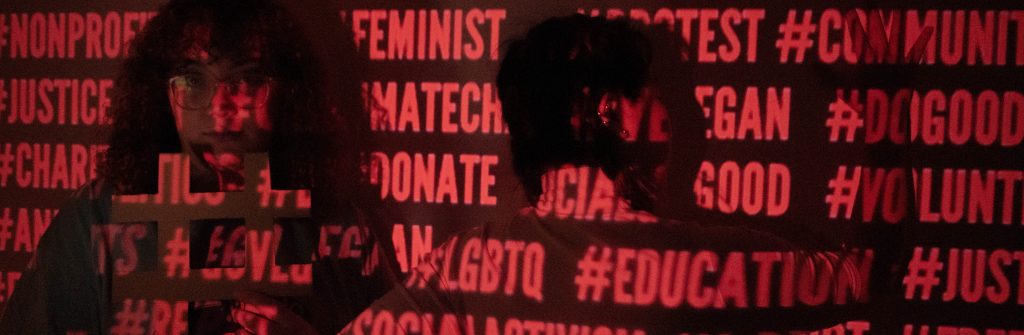
Faraj says she uses Instagram around two hours a day, but she is too scared to actually check the real activity logs on the app, as it might be longer than she thinks. “It’s the first thing I do in the morning, I check my notifications and usually they’re from Instagram, so I end up checking up my Instagram feed and people’s stories. I couldspend hours scrolling down.” However, for Faraj Instagram isn’t just endless scrolling.
“I follow a lot of artists, LGBTQ+ personalities, people of colour, the people I see myself in and I aspire to be like.” She says she gets informed about many different topics from these personalities. Growing up as a Palestinian in France, it has always been her priority to bring awareness on the conditions of Palestine, especially since not a lot of her friends are always informed about these topics.
“If my posts can resonate with other Afghan girls then I feel like I’ve helped in some way by sharing those.”
Even though talking about sensitive topics online can be informative, political statements can lead to unsolicited arguments. Dr. Mukherjee thinks it is because most of the time social media accounts are not based on political interests. “Political arguments have always happened as long as there’s been politics. But the reason they take the particular form that they do on social media is because of the personal nature of it.”
Wardak has had her share of arguments on Instagram as well, but it comes with the territory. She knows that there will always be nay-sayers. It is impossible to always have a positive response when you have that many followers and the topics are sensitive. But it does not stop or discourage her from posting. It’s only a reminder that Instagram is not her entire life and that she is allowed to take breaks and to take care of her own self.
“I am a mental health professional, it’s helpful for me to get out information on Afghan mental health, and how for example gender and immigration status can impact your mental health”. She is not afraid to share her own personal life and struggles on Instagram. “Whether it comes to my grief and loss or just culture, if they can resonate with other Afghan girls then I feel like I’ve helped in some way by sharing those.”