On a normal Friday night in Peckham, I could walk into John the Unicorn on Rye Lane with friends and be greeted with expression, closeness and an air of community. Musicians playing music, spitting queer lyrics about women and revival and about how the gay scene is dying. Queer artists talking about their new favourite sculptor and perhaps how the industry is unforgiving, or rewarding. However, with coronavirus being the instigator of national lockdowns, is queer artistry under strain and are the queer creatives behind them finding it to be a positive or negative experience?
Now more than ever, these conversations are happening but not over a cocktail, because of covid-19, we speak amongst ourselves in private and away from community. We experience digital shows, exhibitions and new information through graphic design surround the queer community. I speak to three queer people to understand what it has meant for some lgbtq+ creatives during lockdown.
ELLA AND LIAM
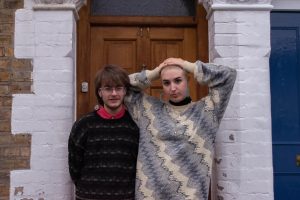
Ella (They/Them) and Liam (They/Them)
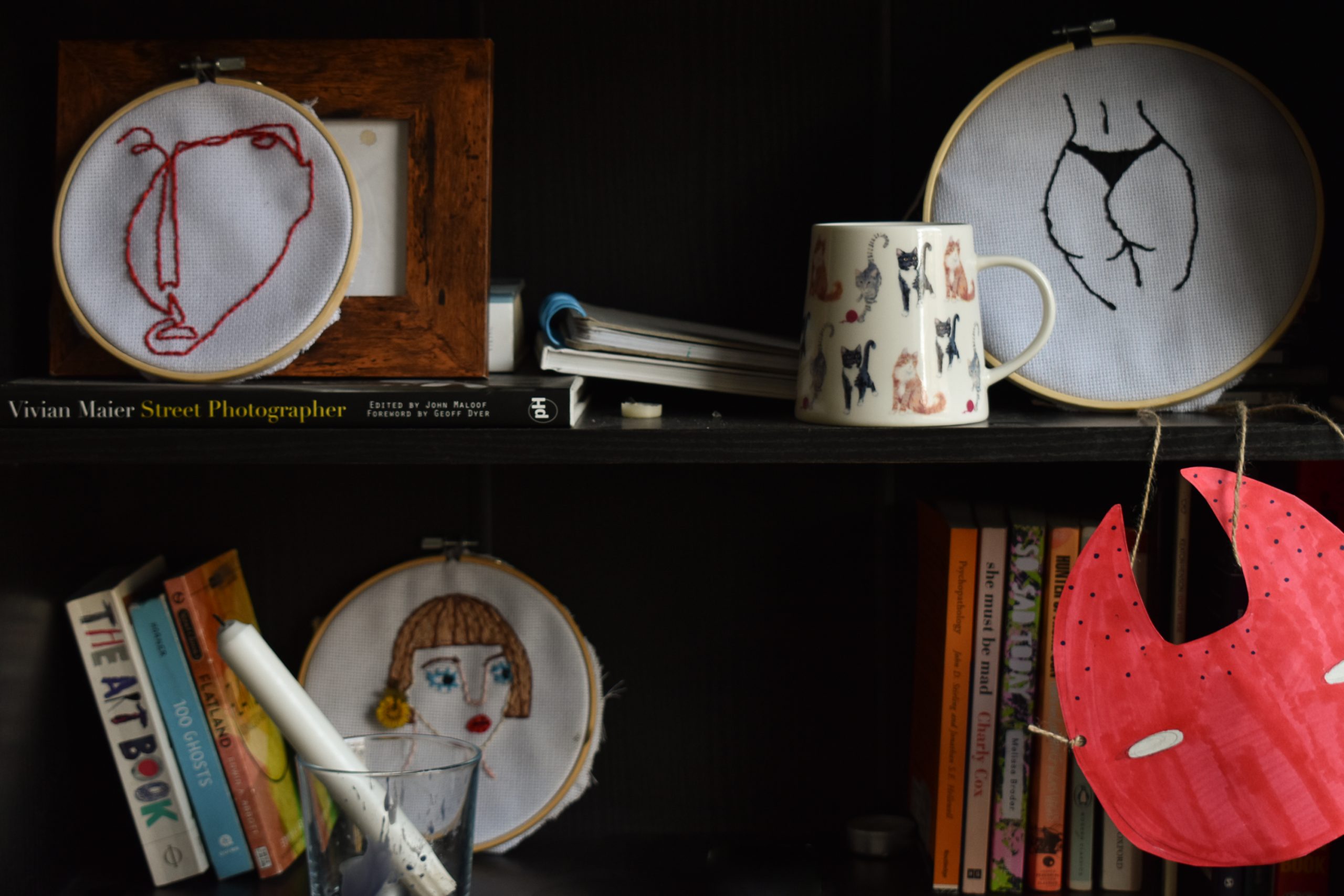
Having met during lockdown, Ella Monnerat and Liam C sit in Ella’s garden together while talking to me about being queer, both of which are honest in their opinions regarding identity and what they do with that.
“If I’m gonna die, why am
I gonna do work?”
Do you feel like identifying as queer has brought you closer to a community?
Ella: No, I don’t identify as anything I just use words because that’s what we have and I would rather not be confused but I don’t have any attachment to any identity.
Liam: I would say I’m queer- queer is a broad term, the same with queer allies. Queer communities are a real thing.

Personally I feel like they’re so unintentional. I think you just fall into them. Not even just communities- its just people you know.

Ella: I feel that way back home (Brazil) not here. Like there, I would go out of my way to be a part of that because here, everyone is a queer creative but I didn’t try to make that happen, it just happened.

Have you felt any more productive during lockdown?

Ella: No, the opposite. All of my productivity died. It all went out the window, the second they were like the world is falling apart I was like “oh well why would I do work, if I’m gonna die why am I gonna do work”.
Liam: Once they encourage you to do nothing, its so much easier to just… do nothing.
Ella: Now you’ve got the excuse- I need to work but then also everything is fucked so I can just be like. No sorry I’m not gonna be reductive. Before you don’t really have an excuse.
LEWIS
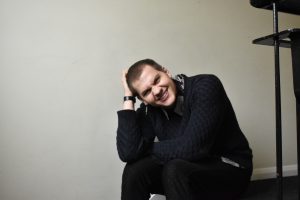
Lewis / ROSEXO (He/Him)
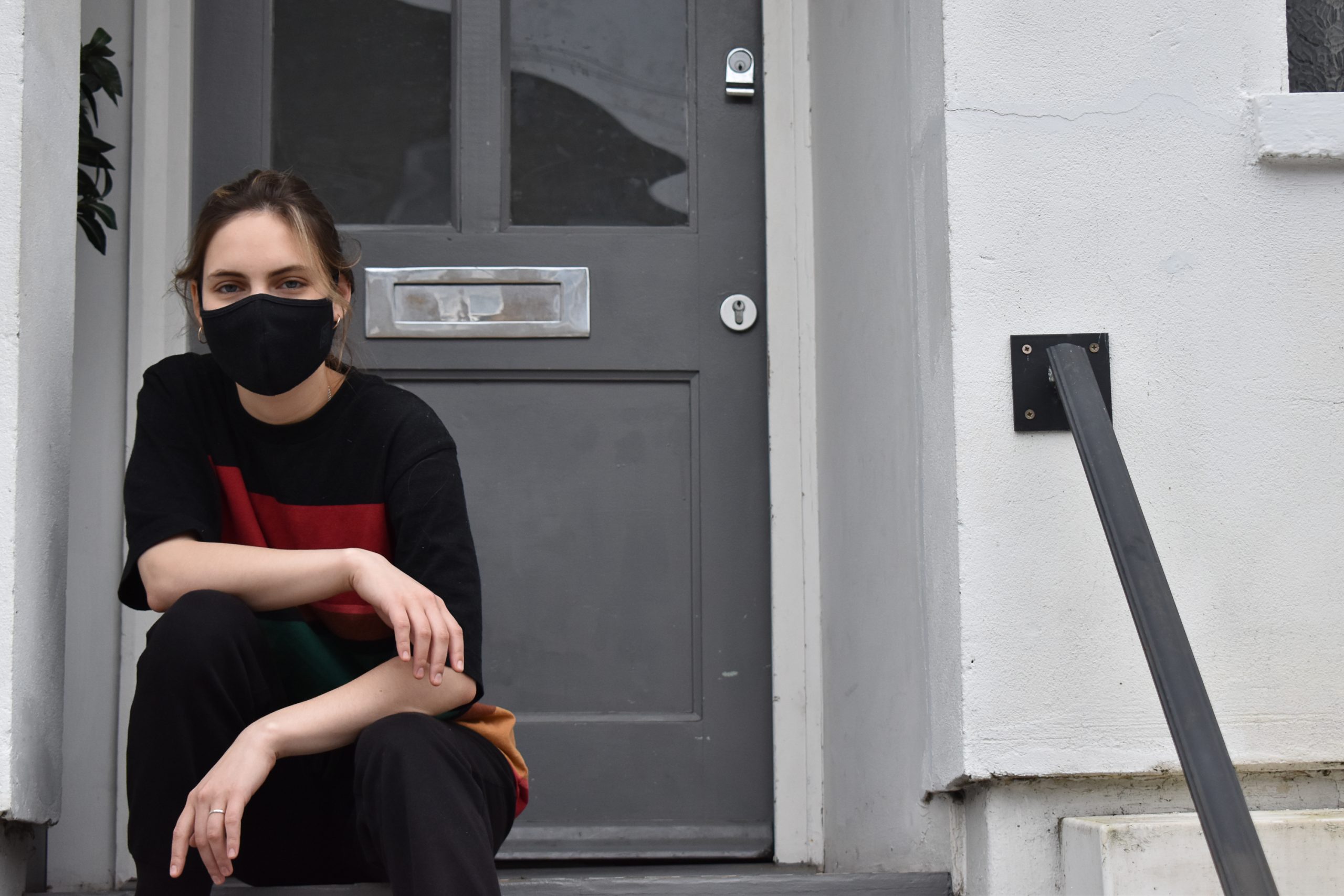
Drag artist Lewis Pickles, or commonly known in the drag scene as ROSEXO, spoke to me in the entrance of their flat about the ins and outs of being a drag artist in a society that is shifting onto the digital.
Do you feel like the identification of queer has brought you closer to a community.

“I would mainly consider myself to be queer as opposed to gay because when I came out as gay, I found that the gay male community specifically, didn’t make me feel like there a was a sense of community that I was part of because I wasn’t the stereotype and I didn’t have the certain body type. It was the same with doing drag, I didn’t feel like the drag community in London was accepting of new styles.“

“But then when I spoke to people and found a queer community in the more broader sense of that term, it felt much more accepting and loving and inspiring.”

“I have a lot of friends who are burlesque dancers and I do a lot of work with them as opposed to other drag artists- which has really informed my practice as well.”
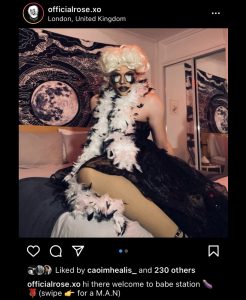
What has it been like to more a lot of your platform online?

“So there’s two sides to it. On one hand it can be very difficult because the sort of work that I was doing before COVID and the lockdown thrived on a live audience, their reaction and the energy in the room and a lot of the comedy came from playing off them. Trying to move that exact practice to a digital space was really hard.”

“I would be doing live streams and zoom cabarets and you cant hear or see the audience.”

“That being said, it really pushed me to think of what I did previously in a new way”

”I’ve been doing more projects now that are looking at digital performance- Two digital theatre performances that are based on a lot of drag; drag & mental health and drag & activism.”
“This lockdown has given me opportunities that I just wouldn’t have had otherwise”
Artist have had to think on their toes in regards to performances and many have had no option but to put their work online- ROSEXO found this to be conflicting with positives and negatives to it.
ROWENA

Rowena (She/Her)
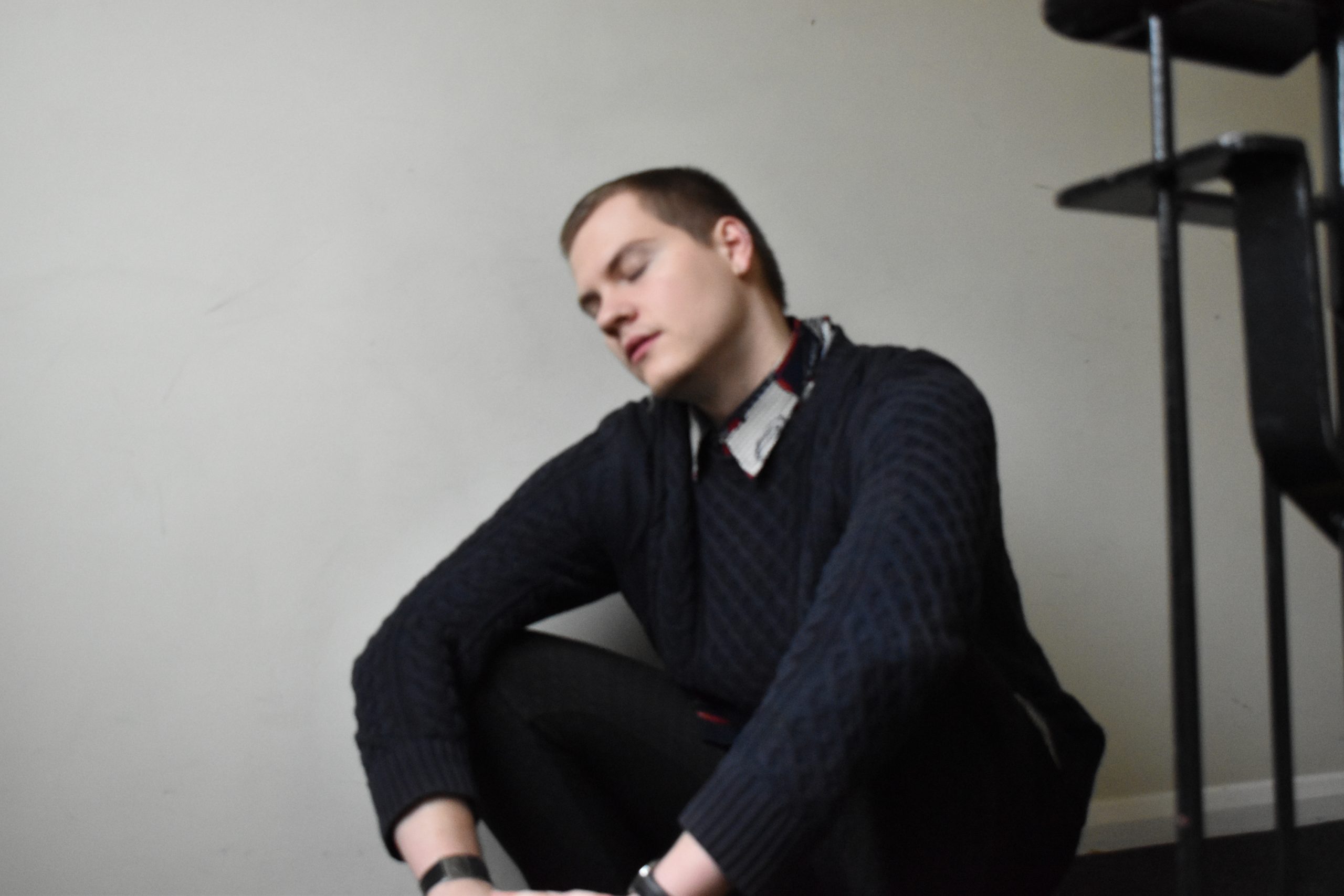
History student Rowena Bell, perched on the stairs to her flat that she shares with her queer friends, presents the notion that lockdown has been a time of reflection. Queer artists have more time to insert themselves into the digital realm or social enquiry. Presenting us with graphics displaying information on queer politics that can be shared amongst a million people in just 10 minutes.
DO you feel like identifying as queer has brought you closer to a community?

“In lockdown, everyone is being really creative.”

“The more people put out, the more things you can identify with. For example, a cool graphic about being queer and stuff. You have the time to think about this rather than being busy and not in lockdown.”
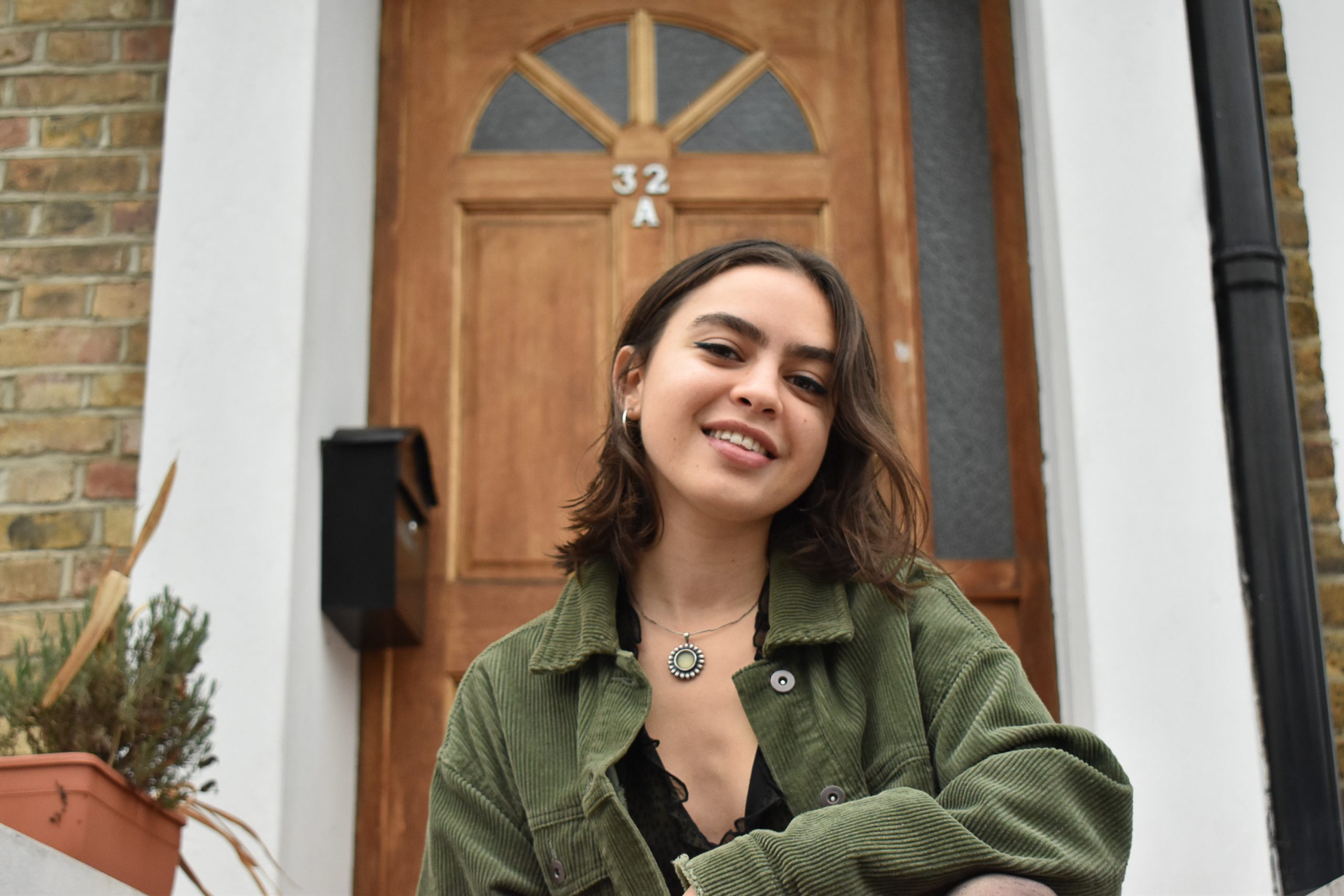
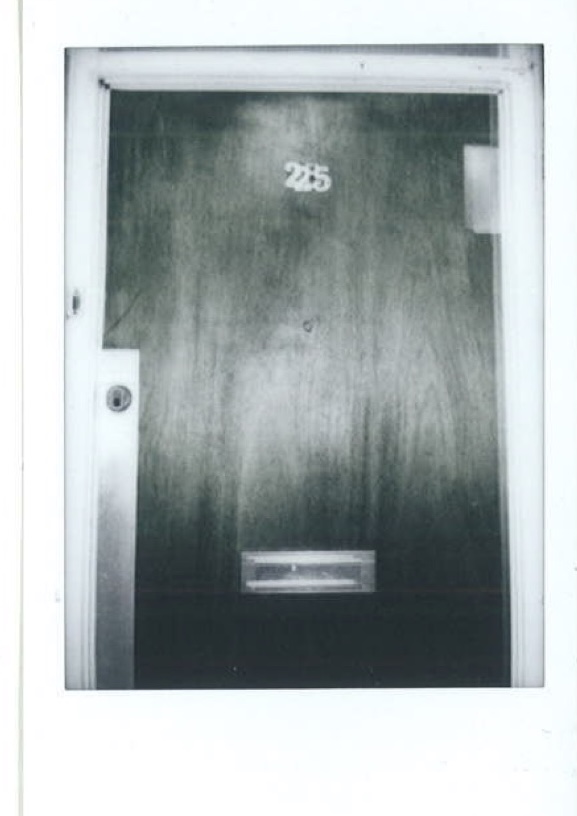
Queer doorsteps
Bekah Bossard (She/Her)
To understand the way in which someone feels in themselves after they have spent so much time with themselves, all you can do is ask- this film that I have produced, speaking to queer musician Bekah Bossard, captures the raw energy that spending time with yourself in lockdown can expand the way (in her case) you make music or perhaps create art.

Lockdown has had positive and negative effects and for many, it has been a time to reflect on the way you live now and on the way in which they see themselves. Queer people have done this, and continue to do this further in lockdown, on a deeper level, with the help of their online communities And amongst themselves in their creative outlets.