Dismantling statues is not a question of political subjectivity, but an opportunity for British institutions to commend the fact that history — when set in stone — fails to draw important attention to the relativity of culture. Anjali, a second year chemistry student at Oriel College, speaks up about the erection of colonialist figures at the University of Oxford.
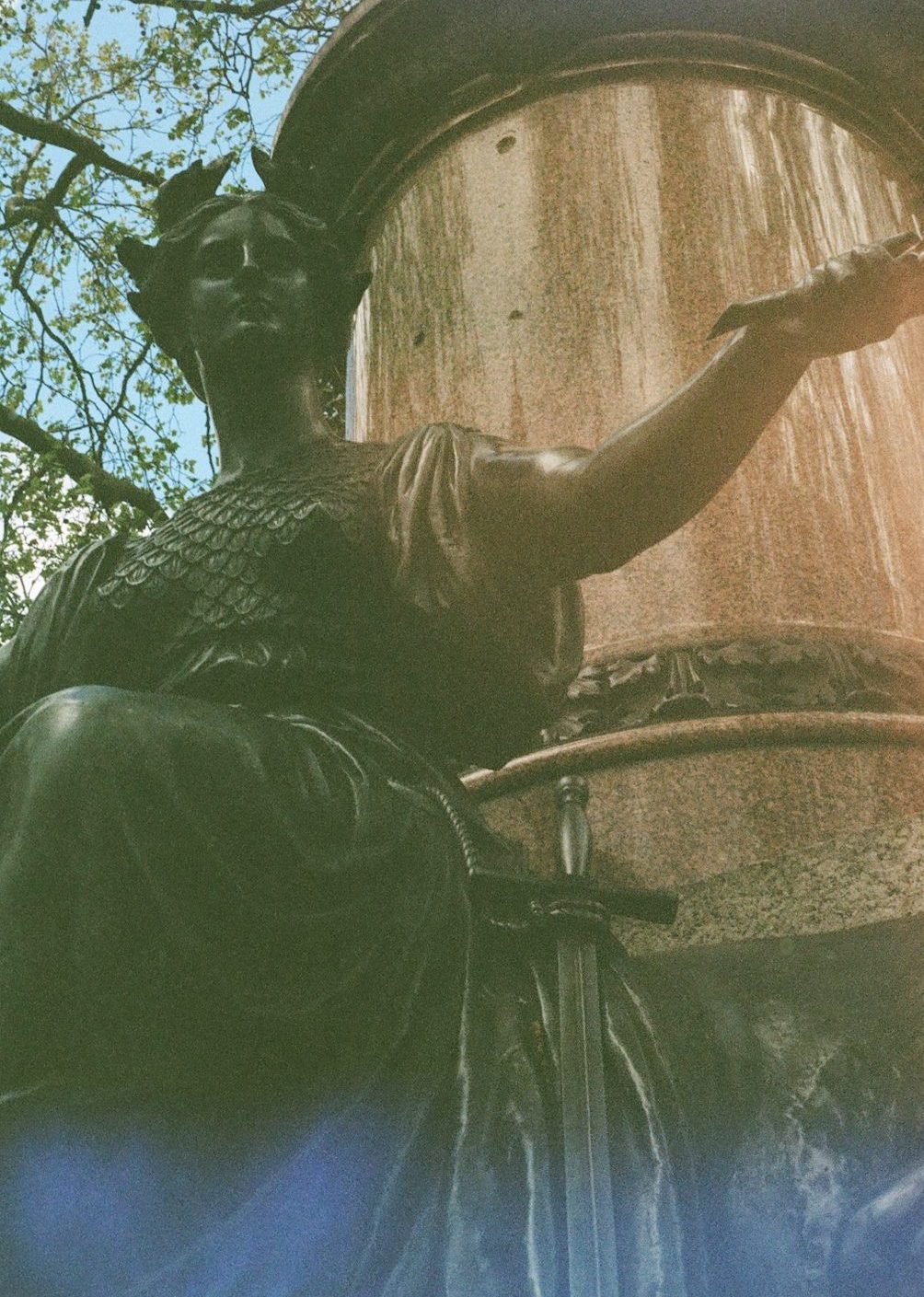
Statues in Britain often obscure a brutal history of colonial violence, and do little to represent the diverse population which constitutes the British nation in the 21st century. Monuments which continue to tower, do more to highlight the strong discourses of power which have carried on from a past time.
The display of knowledge in public space is being challenged in the West, demonstrated most pertinently through the tearing down of Edward Colston’s statue in Bristol last year. From the Palladium of Greek and Roman mythology, to the abolition of city monuments during the 1789 French Revolution, urban infrastructure has always held political symbolisms, and the city space has consistently been utilised as a site to contest political matters.
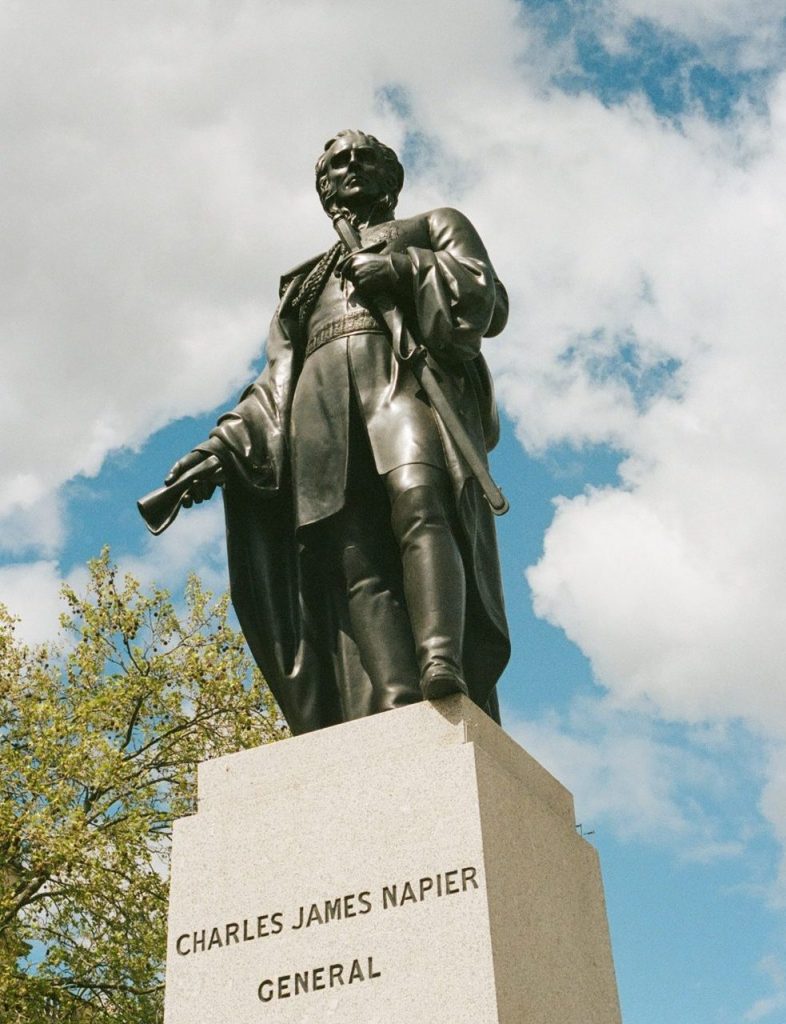
Charles James Napier, displayed on top of a 12-foot podium, occupying one of four plinths in London’s Trafalgar Square
Aligning with the logic of postmodernity in pertinent form, contemporary iconoclasms like those catalysed by the Black Lives Matter protests, reveal a great deal about the emblematic qualities inherent to the built environments which surround us. Questions of identity, temporality and diaspora; in contexts of post-colonialism, have never been so important as they are today.
I’m in my second year studying chemistry at the University of Oxford. I’m a woman reading a STEM subject, an ethnic minority, and I went to state school my entire life. You would never see a statue of a woman or a coloured person in this city. They’re all men – or maybe the ‘wife’ of a man.
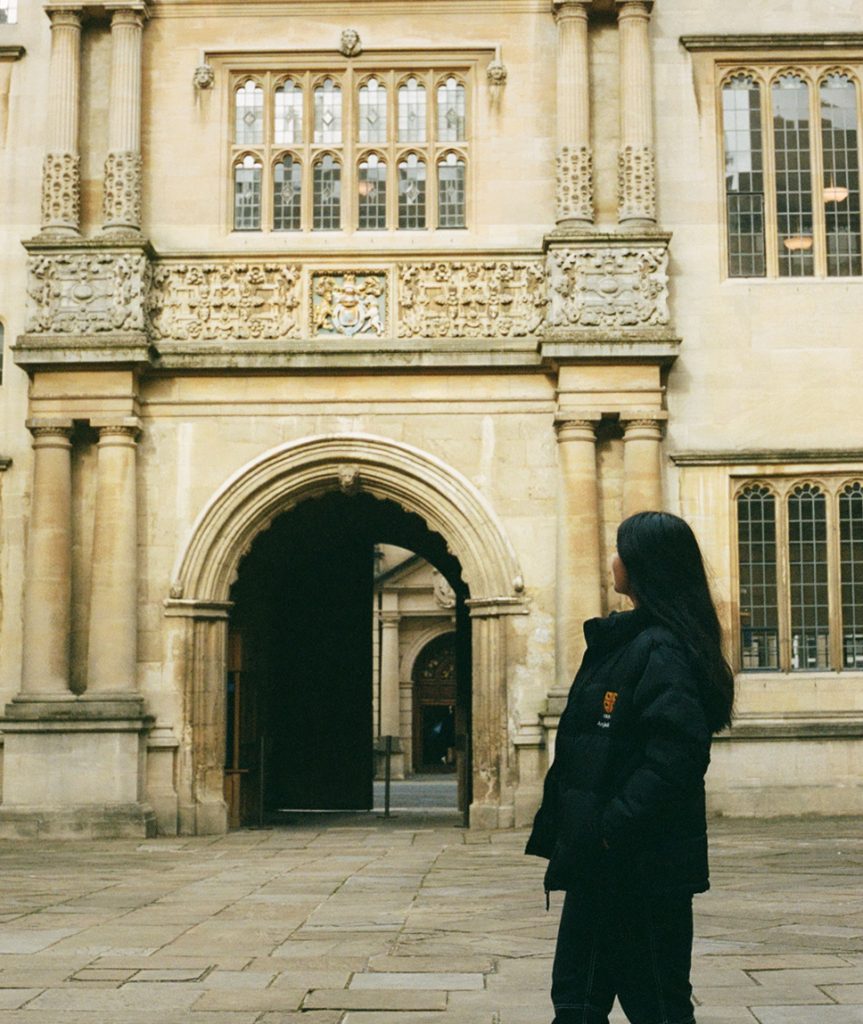
Oxford COULD have taken down the statue of Cecil Rhodes during the 2015 ‘Rhodes Must Fall’ movement. But they chose not to, and it shows where their loyalties lie. The university missed out on another chance to make black and ethnic students, like myself, feel comfortable entering an institution built off of the backs of imperialism.
Before I started studying here, I had major imposter syndrome. Of course, many students often get this once they arrive, but I noticed the feeling especially hit many of my culturally-diverse state-educated peers, who felt out of place amongst the elitism of the ‘Oxford bubble’. Not feeling like you fit in with the privately educated girls who have been playing lacrosse their whole lives – you do feel it. I came here not even knowing what that is.
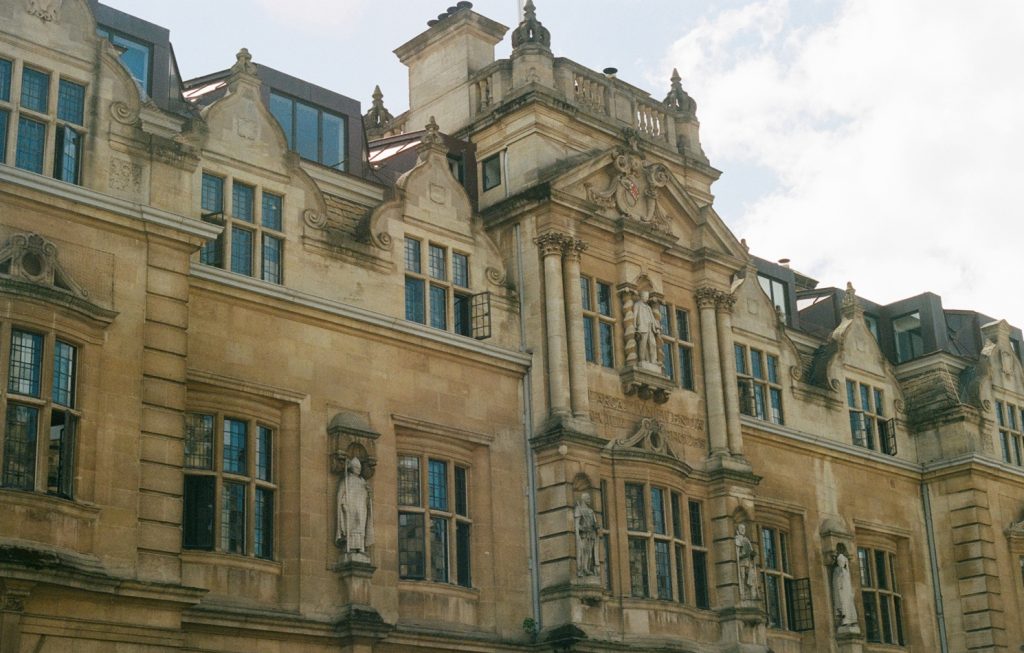
Pictured: Oriel College, University of Oxford, displaying Cecil Rhodes, imperialist politician who played a dominant role in colonising South Africa during the Victorian era.
Keeping up racist figures which continue to represent the colonial regime, fails to give an accurate depiction of the student body at the institution today, and adds to the sense of alienation many marginalised students are often left feeling.
A lot of Indians who have come to great Britain, for example individuals from my own past family lineage, were forced to arrive due to the horrors of the British Raj. After being forced to leave their homes, they see statues of racists everywhere; disproportionately Conservative, white and powerful men. It’s quite horrible since it doesn’t acknowledge the individuals who had been forced to move out from their former indigenous territories because of British colonial rule.
Mapping statues in London which commemorate brutal imperialist figures
I don’t think all statues should be dismantled. The past is the past, and that is that. But monuments which are so intimately bound up in the cultural livelihoods of the students who walk this ground today, in such a pervasive and unpleasant way — have no reason to remain erect.
Urban infrastructures are more than material, and are entangled amongst questions of politics. Removing monuments and statues in student cities may sound silly, but it is more than what it seems. It’s a powerful and symbolic move, and a sign of acknowledgement to accolade the nature of changing times. It means rejecting a previous way of life, and realising that these statues, when still erect today, emblematise nothing more than imperialist violence.
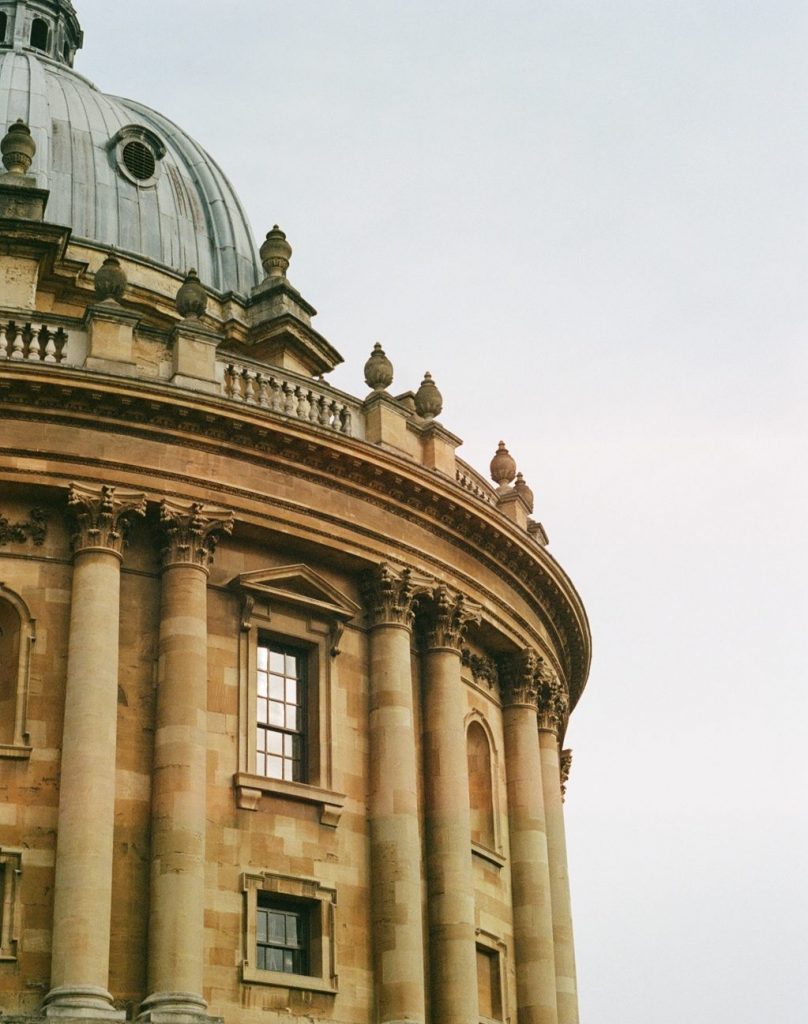
Radcliffe Camera; one of Oxford’s most renowned architectural sites, inaugurated in 1749
Remnants of the colonial regime remain scattered across our city landscapes, and it is about time we condemned corrupt historic politicians, imperial ministers and inhumane slave-owners who are commemorated in urban space, instead of celebrating and continuing to place on a pedestal, those who were responsible for the death and displacement of millions.
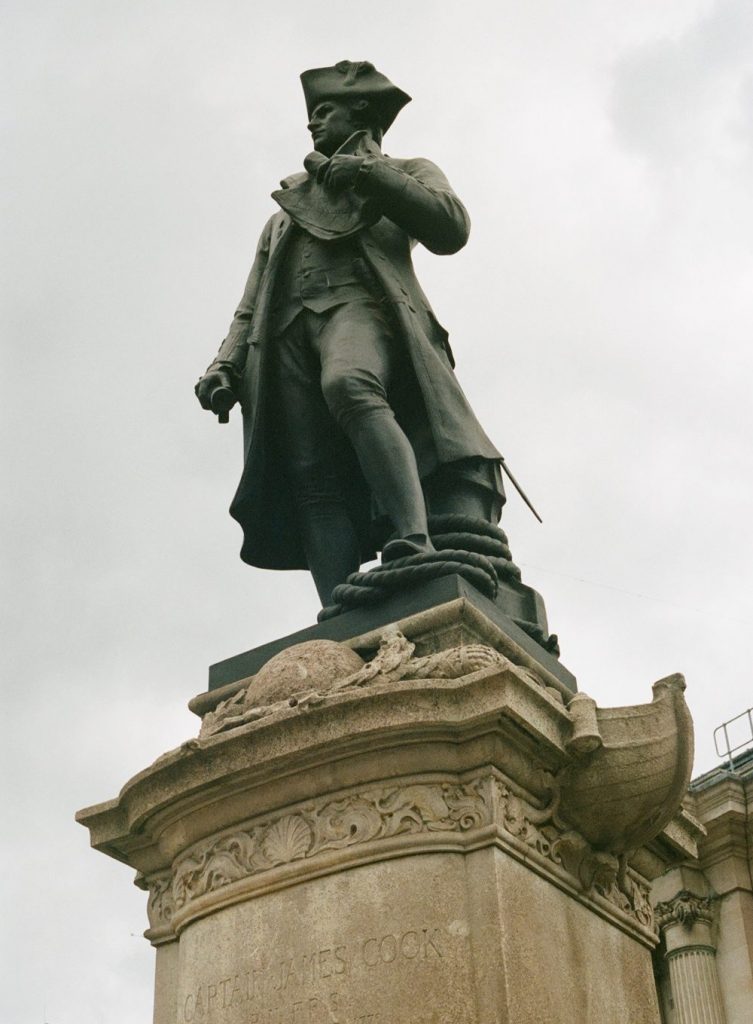
Another ‘explorer’; Captain James Cook, who triggered the colonisation of the Pacific 250 years ago.