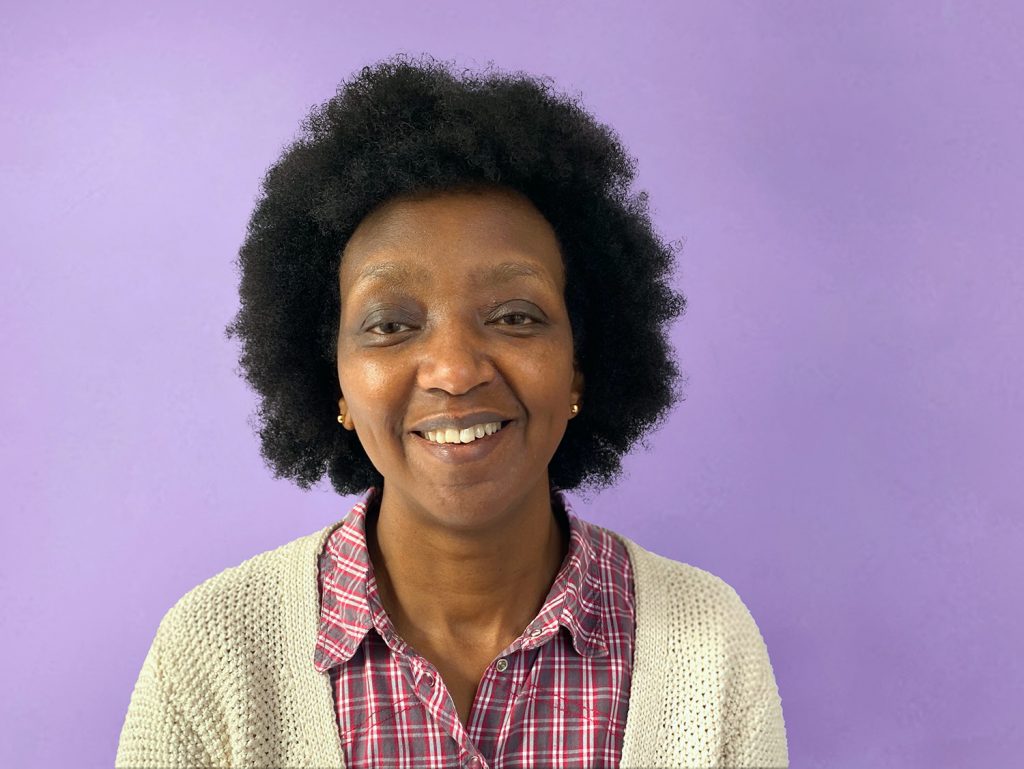
Whether it is a sign of celebration of blackness, fight against discrimination, or just a personal esthetic choice: On the freedom to choose to wear your hair as you want as a black woman in France.
As demonstrated by the latest massive anti-racism protests against police brutality, a new generation of children of immigration is bringing race into the public discourse challenging France universalism tradition. In 2016, following a comeback of the natural hair movement, a group of student at the Parisian university Sciences Po created Sciences curls, an Afrofeminist group dedicated to coily and curly hair acceptance.
However, hair discrimination in this country remains prevalent. In 2019, former French government’s spokeswoman Sibeth Ndiaye received critics about her natural hair and braids. Eurocentric beauty standards are still pervasive in our societies and everywhere
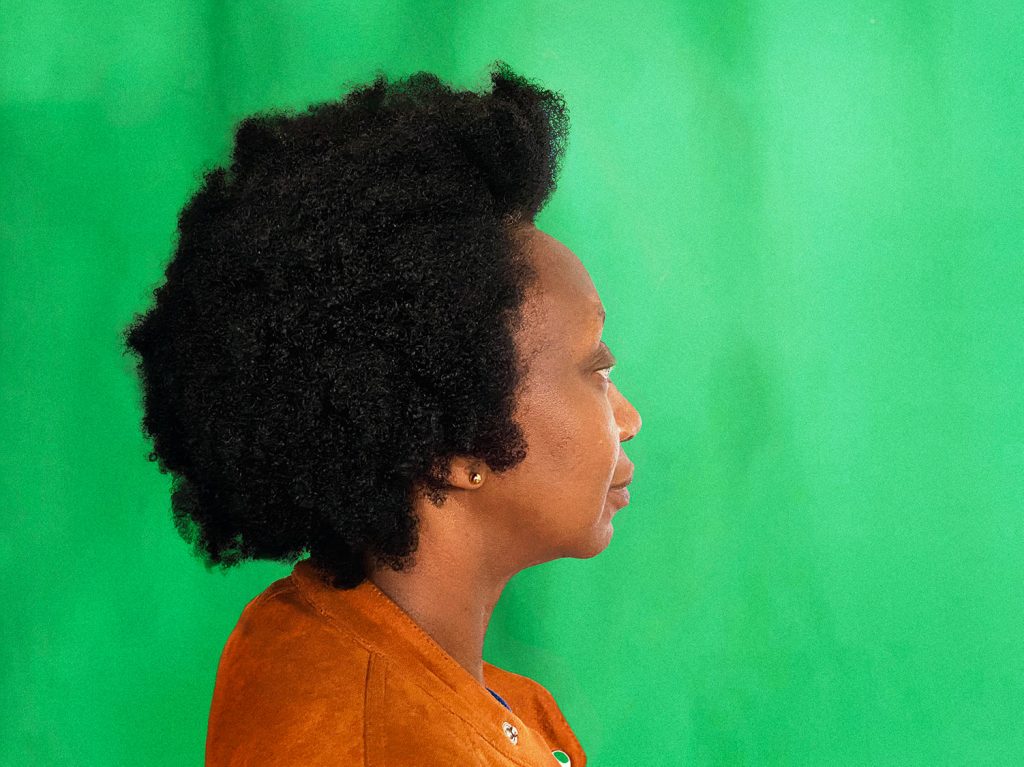
Whether in its natural state, braided with extensions or under a wig, afro hair, especially in black women, still faces prejudice. In the US, the CROWN act law was created, banning explicitly discrimination based on hairstyle and hair texture, but in France, where racial discourse is only slowly coming into the mainstream, Black women still face many challenges. Two young black women who grew up in different parts of France give their account of black women’s hair politics in France and their relationships with their hair.
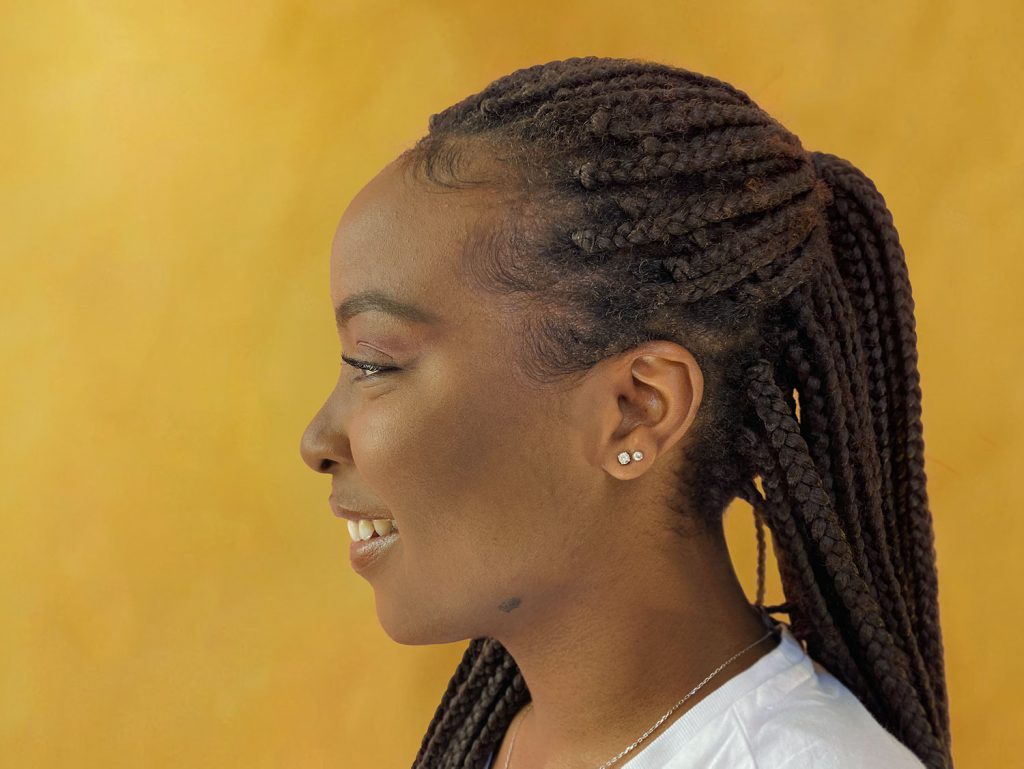
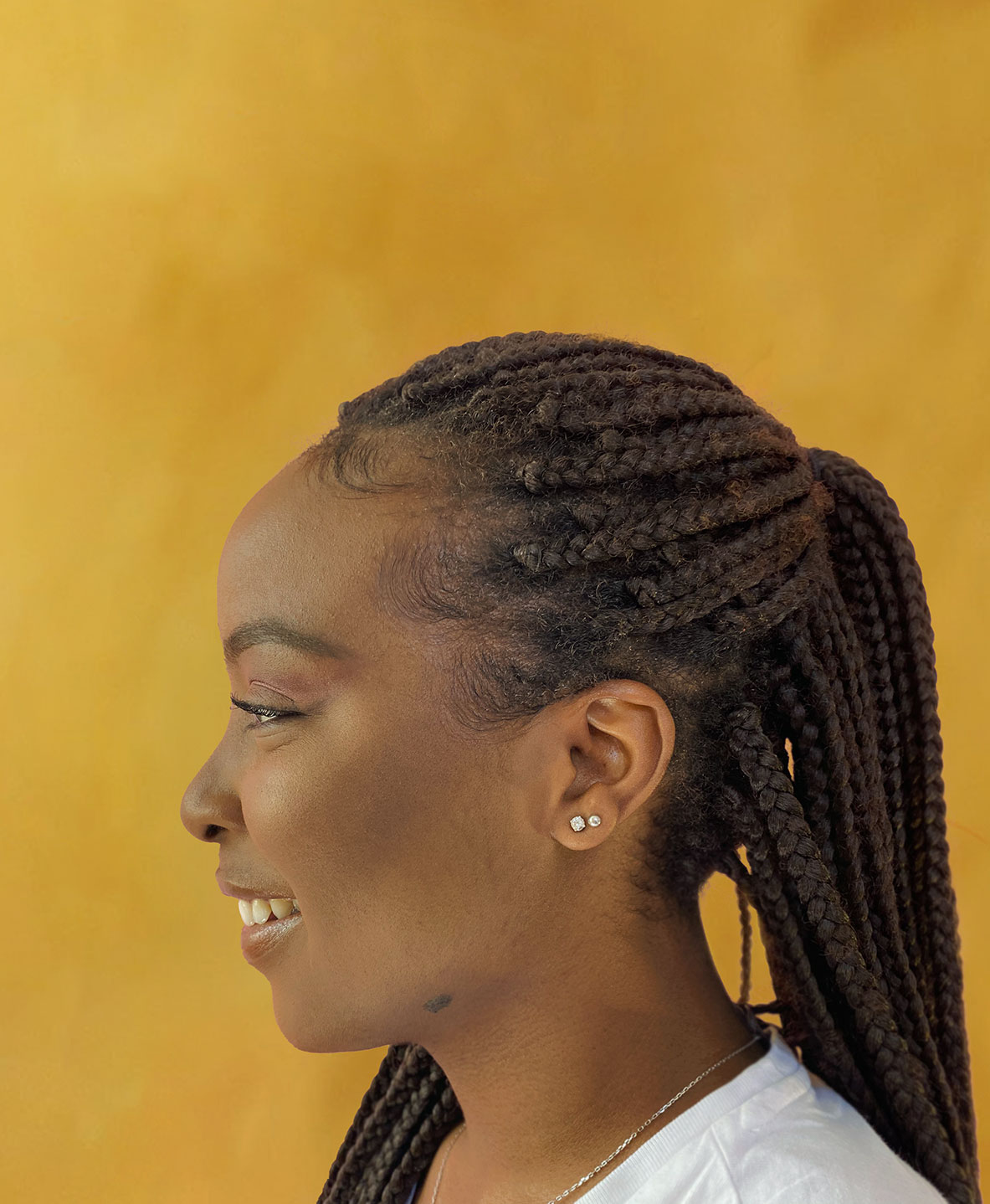
Patricia, 23 – grew up in the Paris region
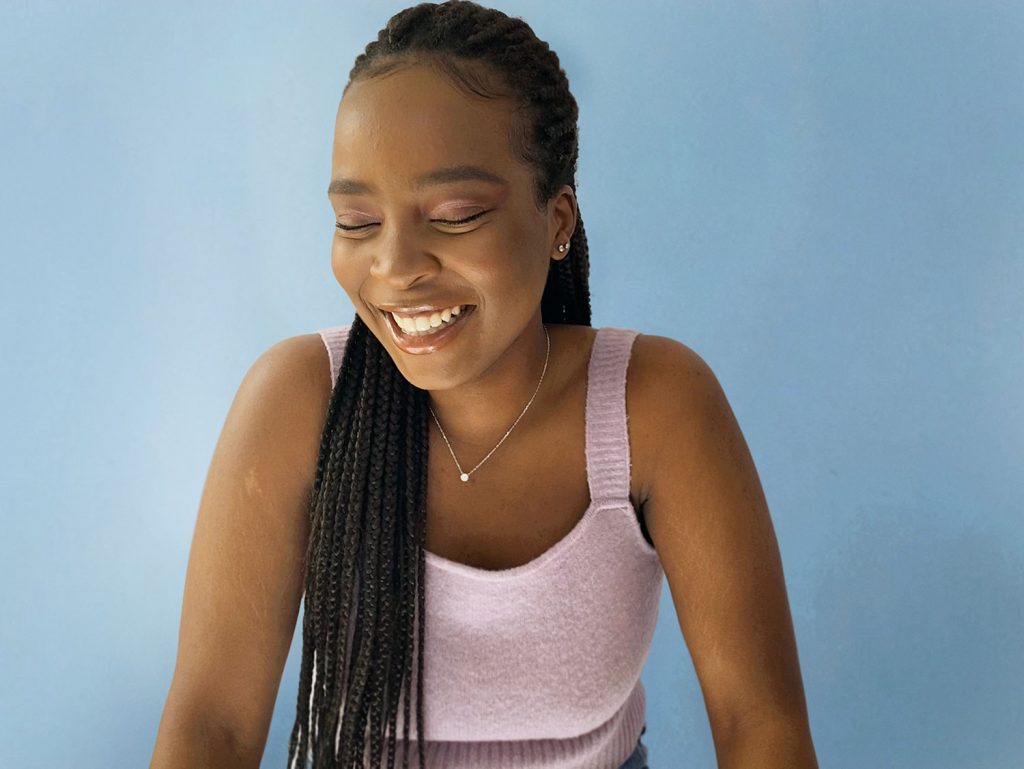
My relationship with my hair is a pretty complicated one. I love it, I find it beautiful, but I find it very hard to maintain. Actually, I often do the bare minimum with it. Most of the time, I wear it in a tight slick bun, or I get box braids done, never in an afro. I feel like it doesn’t look very good on me, but maybe it is also because I am not used to seeing myself like this.
As a kid, I never really faced any discrimination about my hair; I was on the receiving hands of a few ‘jokes’ or microaggressions later as a teenager and at university. But I remember wanting to have straight hair growing up, so I relaxed my hair a lot which damaged it and sometimes burnt my scalp.
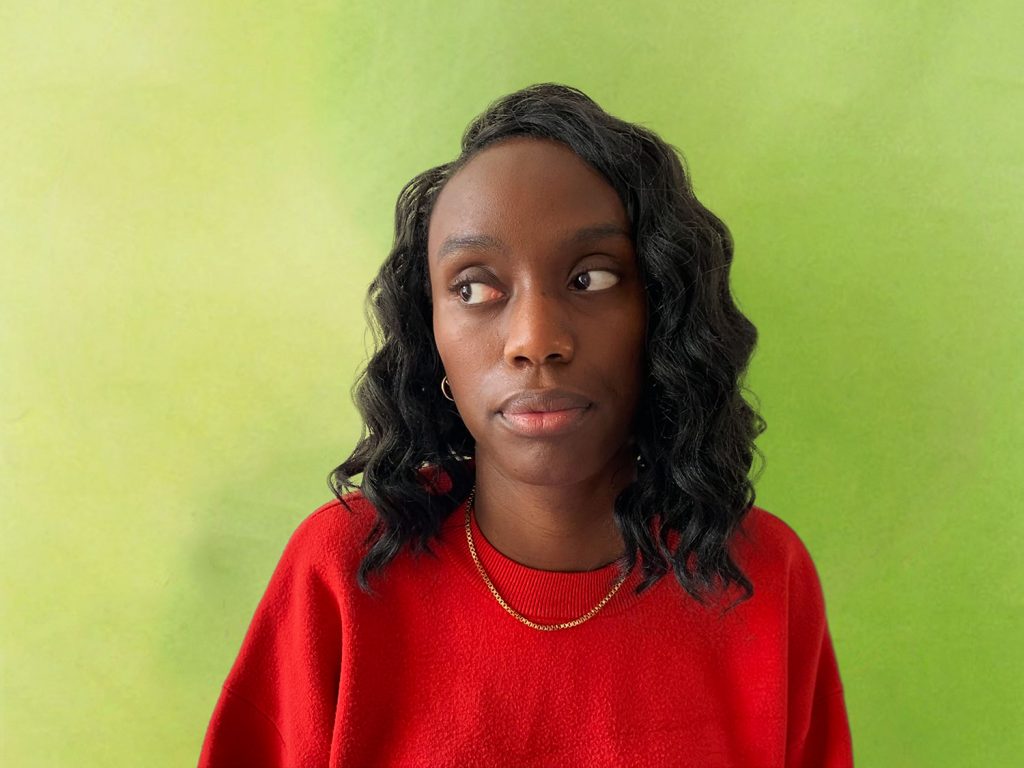
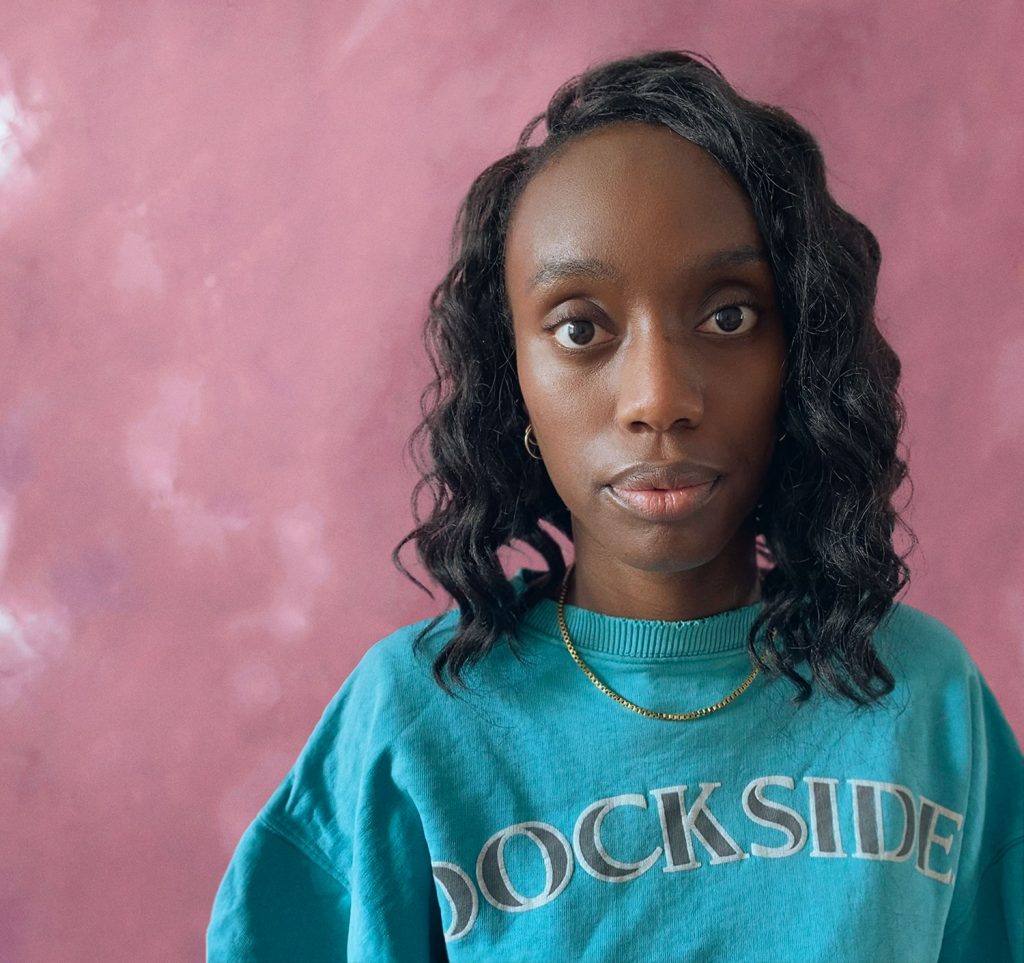
I am for and against relaxers. Although it can be damaging, I don’t see it as the worst thing in the world, and I completely understand women who do it. Quite frankly, I have natural hair now, but I sometimes think of relaxing my hair again. Caring for 4C hair is a time investment: you need to get a day off just to get through wash day. And don’t talk to me about living it uncombed; for me, afro hair, as well as European hair, has to be well maintained and combed; otherwise, it looks neglected. However, I believe that people who relax their hair have to do it for the right reasons: I understand the convenience of it, but I would like for little black girls in France to know from a young age that their afro hair is beautiful. But I feel like relaxers are less and less used. I know it is also a matter of fashion and trends. Still, I feel like if I had grown up somewhere, else my relationship with my hair would have been different.
Maureen, 27 – grew up in a small town in the South of France
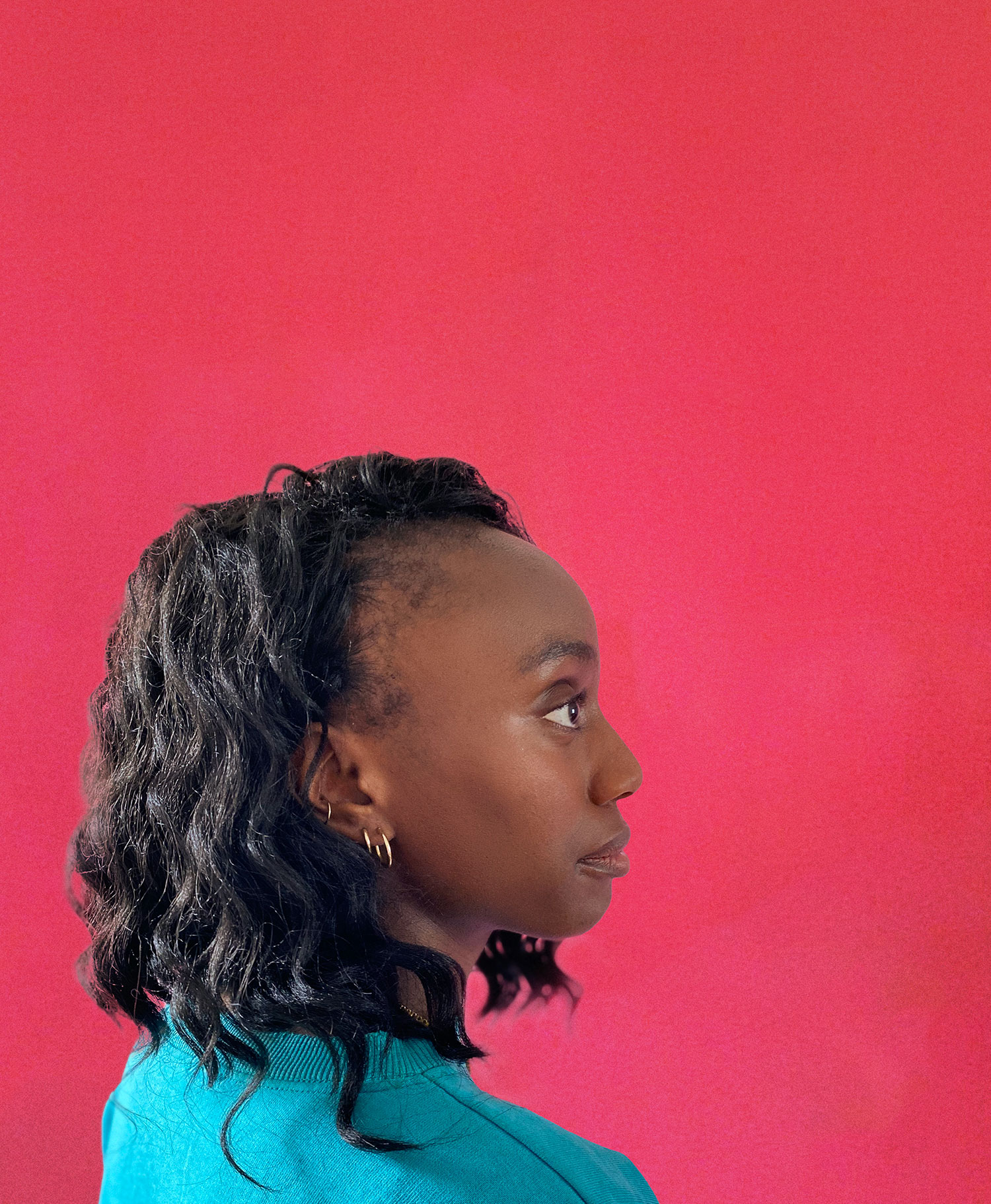
I wouldn’t say I hate it, but if someone asks me what I prefer about myself, I wouldn’t reply my hair. I spent my life putting hair extensions on it. It is only now, with the recent lockdown, that I really started to enjoy having it completely natural. I think I like my hair, but I don’t find it practical. Especially when I’m working, I like having a hairstyle that prevents me from doing my hair every day.
Growing up, my models in terms of hair were Beyoncé and the other black American famous actresses we saw on TV. They mainly had straight or curly hair. But as a kid, I didn’t have much to say about my hair, I got it relaxed an aunt during a trip to DRC when I was five, and after that, I mainly wore box braids.
As a teenager, I started experimenting more, wearing different braids, weaves, or straightening my hair with a flat iron and curling it after. I never really liked the completely straight hair look on me. In my secondary school in a small town in the south of France, we were seven black students out of 1000 students.
The discrimination I faced wasn’t directly about my hair, more about my skin colour, but now and then, my friends would tell me how much they liked my hair when it was in long braids or weaves, everything but natural. I think growing up in a non-diverse area in the South of France may have influenced the way I saw my hair, but my main influence was the media which, in the early 2000s, valued Eurocentric beauty standards above everything else. I honestly believe relaxers are harmful to our hair, and I will never do it for my kids. But at the end of the day, I think black women should do whatever they want with their hair; it is a matter of personal taste and comfort.