The unseen struggles of inequality in the world’s 4th richest country, Singapore.
This is what inequality in Singapore looks like.
Known for the wealth, architecture, food and tourism, many are unfamiliar with the fact that Singapore is also the second most income unequal country in Asia. It is often spoken about as a modern and forward city, yet the struggles of many individuals and households are almost invisible when it comes to promoting tourism and culture, amidst the beautiful attractions and sceneries the country has to offer. In an interview with a 50-year-old Singaporean entrepreneur- Raegan Chow, he shares how he managed to change his life through working his way up from working to middle class. He also shares his personal views on the topic of inequality in Singapore.
Growing up, how was your childhood like?
Looking back, my childhood was memorable but tough. Coming from a working-class family, my parents struggled to support us, especially since my father was the breadwinner of the house. Being the eldest son amongst my four other siblings, I sacrificed a lot for my family. I gave up many opportunities in school, such as joining an extra curriculum or going on trips because it would cost extra money and there would be insufficient funds for my younger siblings. Although I understood our situation and wanted to help my parents as much as I could, I inevitably felt indignant and constantly compared myself to my friends who were better off. I never had the luxury of buying anything more than what was necessary and spent all my free time working part time to support my parents and the family.
It is difficult to shift within social classes in a country like Singapore. How did you manage to do it and what inspired you to do so?
When I completed and graduated from college, I was given the opportunity to study in Business School at the National University of Singapore. I chose to study business because I was determined to make a change in my life. To be completely honest, I had no idea how or where to begin, but I was lucky enough to meet friends in the course who were from the middle class and had a good knowledge of the field. Throughout my time in university, they introduced me to the concept of investments and invited me to the talks and events their parents hosted. I would say I was lucky enough to gain social capital from these experiences and it definitely inspired me to aim higher for myself and for the future.
Which type of inequality- income, wealth or consumption, do you think affects Singaporeans the most?
I think amongst the 3, income inequality affects Singaporeans the most. From my personal experience alone, it is extremely tough for the working class to earn more than what they already do. Back in the 1970s, my father for example, could only earn the bare minimum to provide food and necessities for us. Despite the minimum wage being higher today, everything is also more expensive from standard of living, groceries, housing, healthcare and education. Therefore, the lifestyle and economy of Singapore is still a struggle for many. Not forgetting that Singapore has an ageing population, which makes this tough for the elderly. Their children are usually at the age where they have just graduated and are looking for a stable job or planning for marriage and starting a new life for themselves. Everything requires money and it is difficult for both parties to provide for one another, where many Singaporeans end up on a bank loan. Therefore, while many are earning a decent amount monthly, it will always be just enough to cover for what they owe or are planning to buy.
Being one of the richest countries in the world, would you agree that inequality is one of the main issues in Singapore?
Definitely. I don’t feel that being ranked one of the richest countries in the world reflects that everyone in that country itself is rich. Even though most people are able to get by daily, the gap between wealth and consumption inequality between the working and middle classes are drastic. Having experienced both ‘sides’ myself, the quality of living, food and lifestyle differences still baffles me. This includes the different kinds of treatment one gets through their obvious social status. It is as if I am suddenly seen compared to my past self because of what I own and am capable of having. It takes trial and error to work for a difference, but the reality is that most people do not have the simple luxury of time or money to afford that. Inequality in Singapore is something Singaporeans are used to struggling with, regardless of whether they realise it or not.
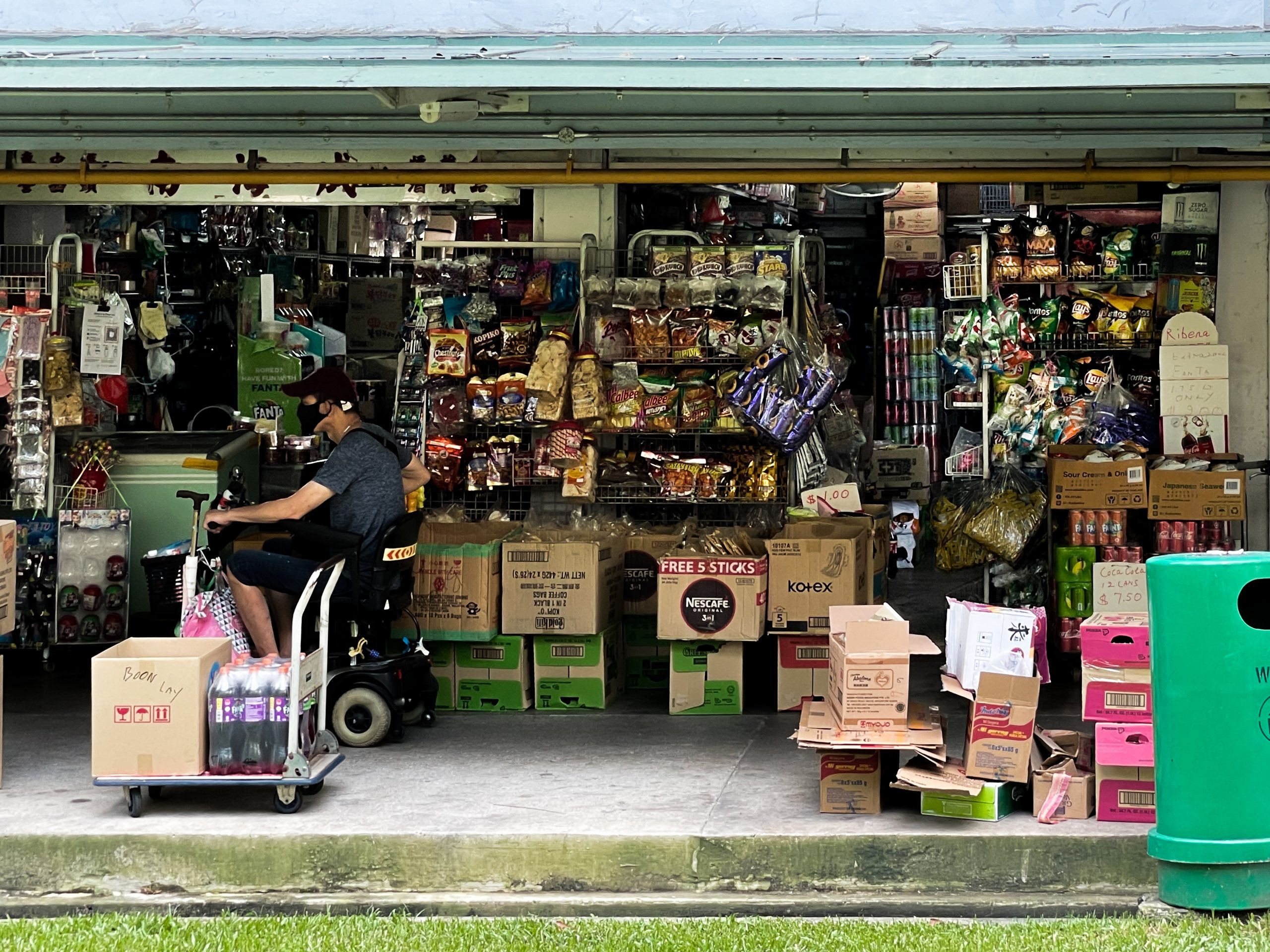
congested exterior of the grocery store 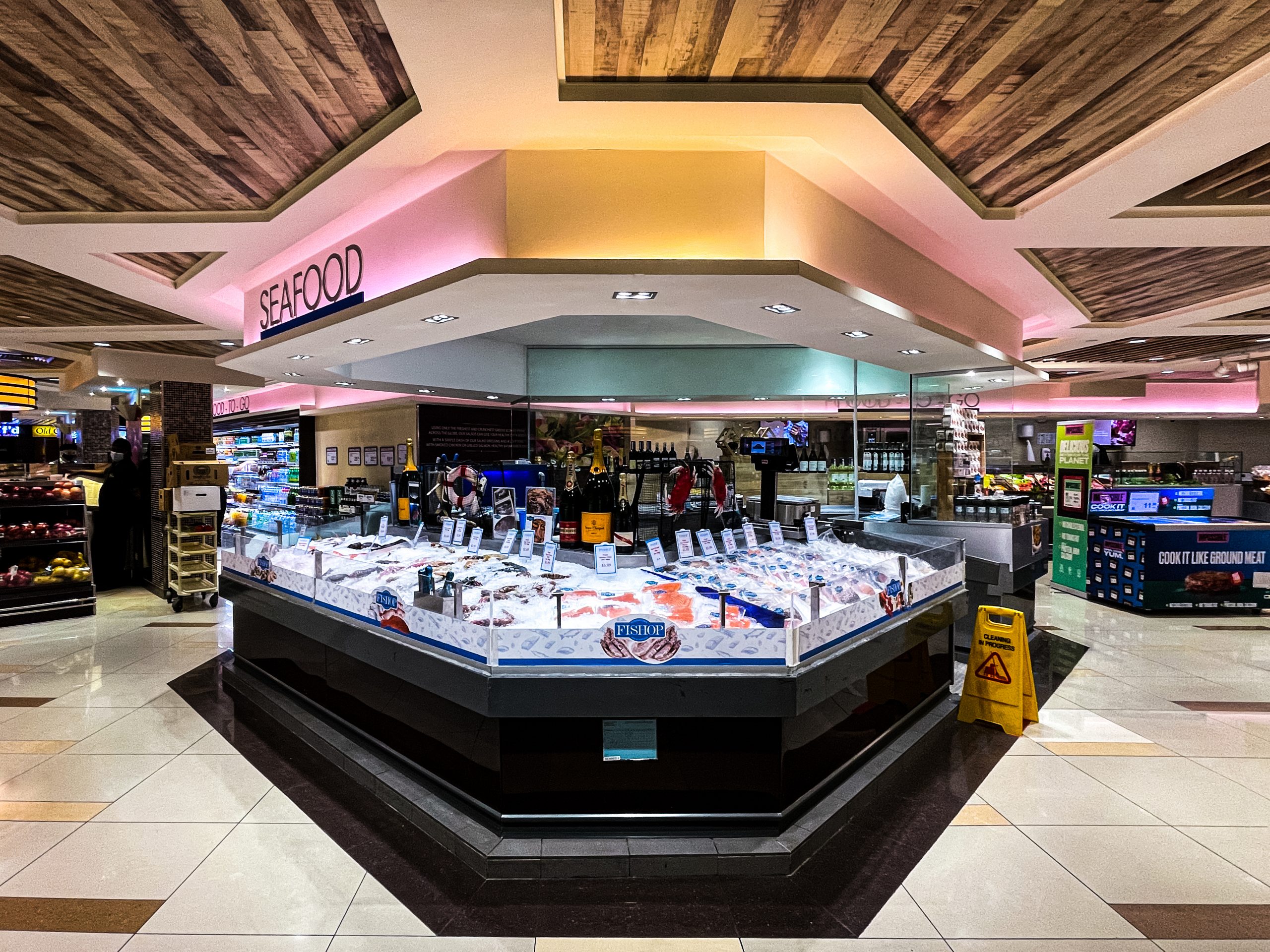
spacious interior of the market place
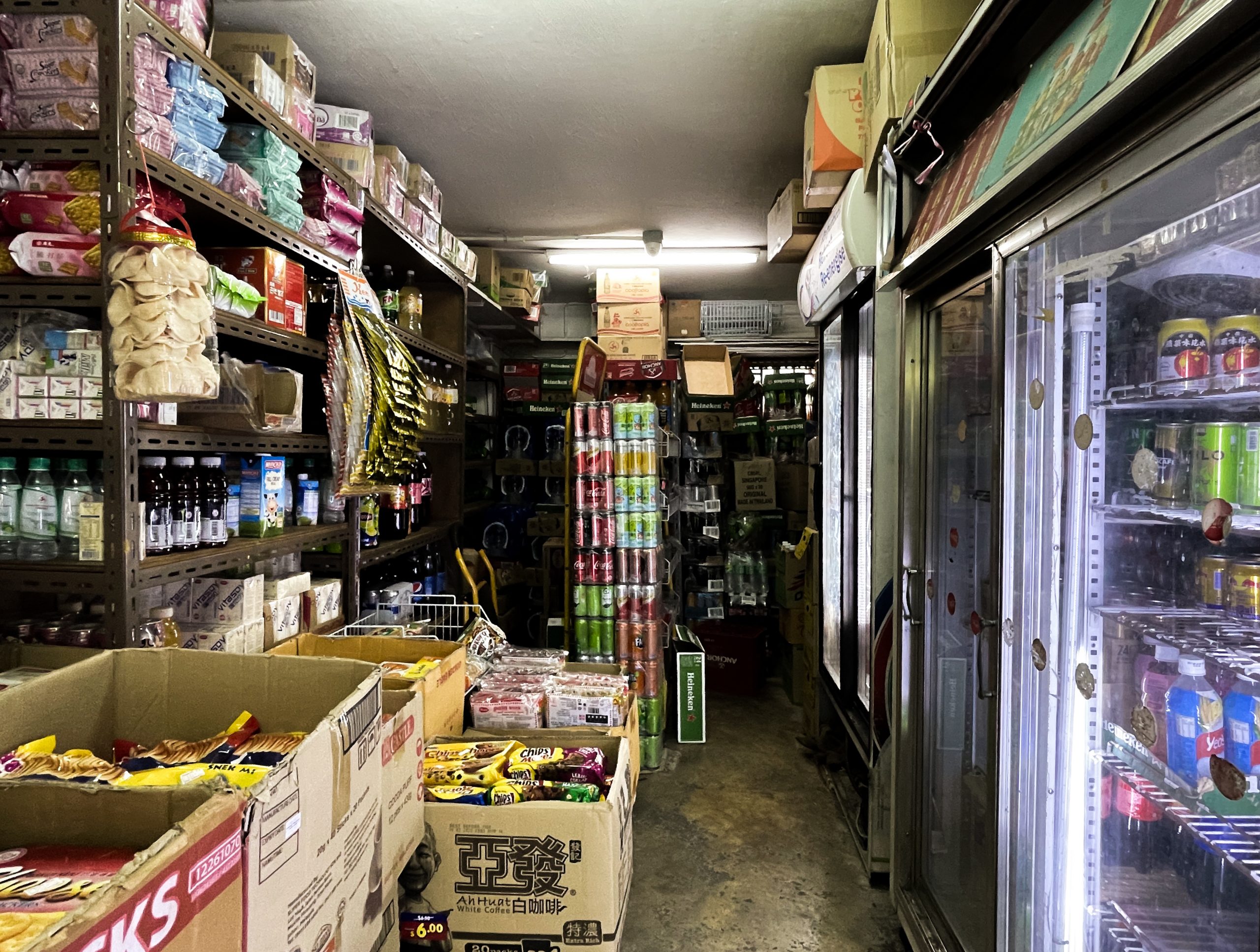
grocery store in a mature estate 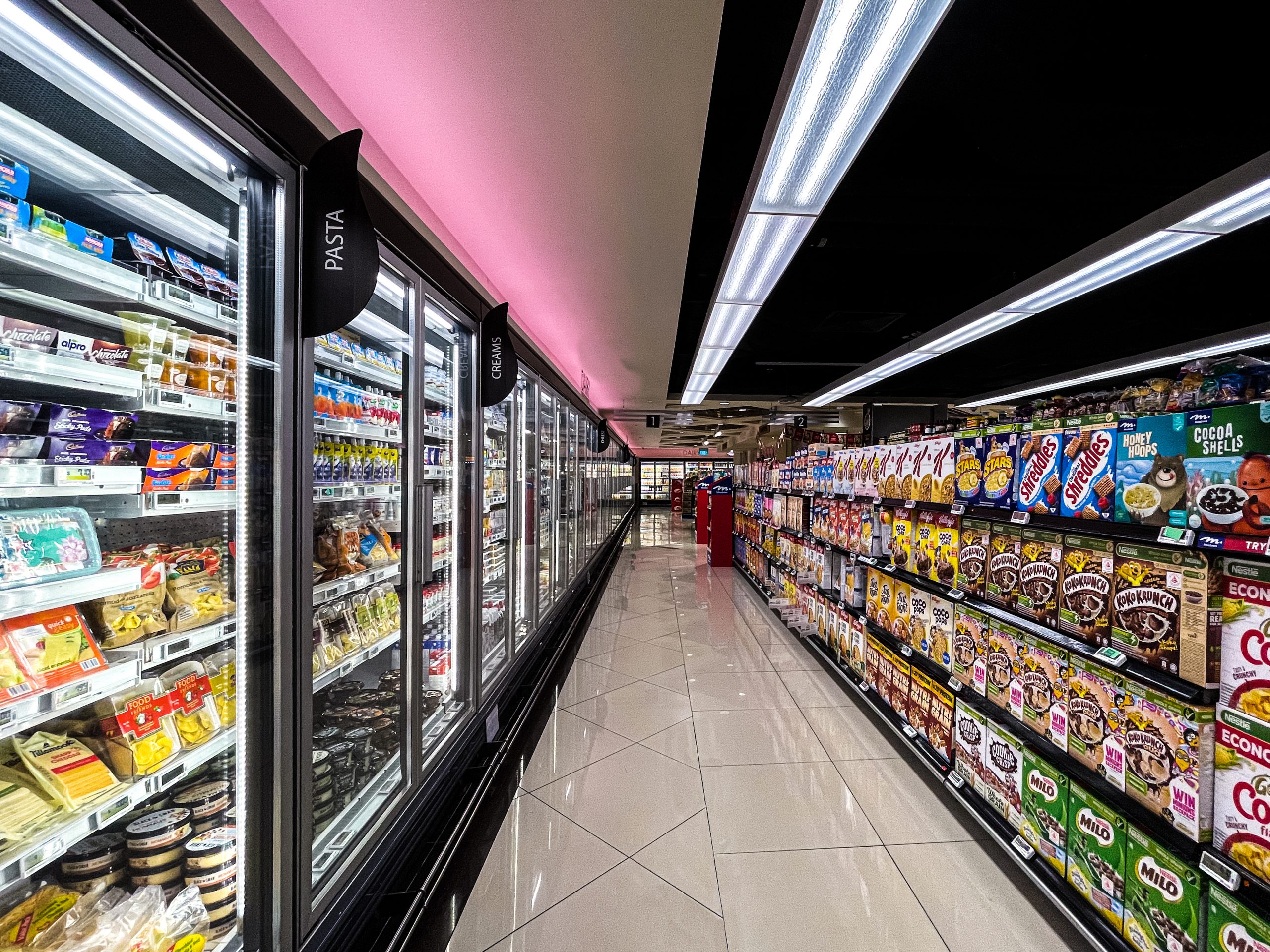
the market place in raffles city
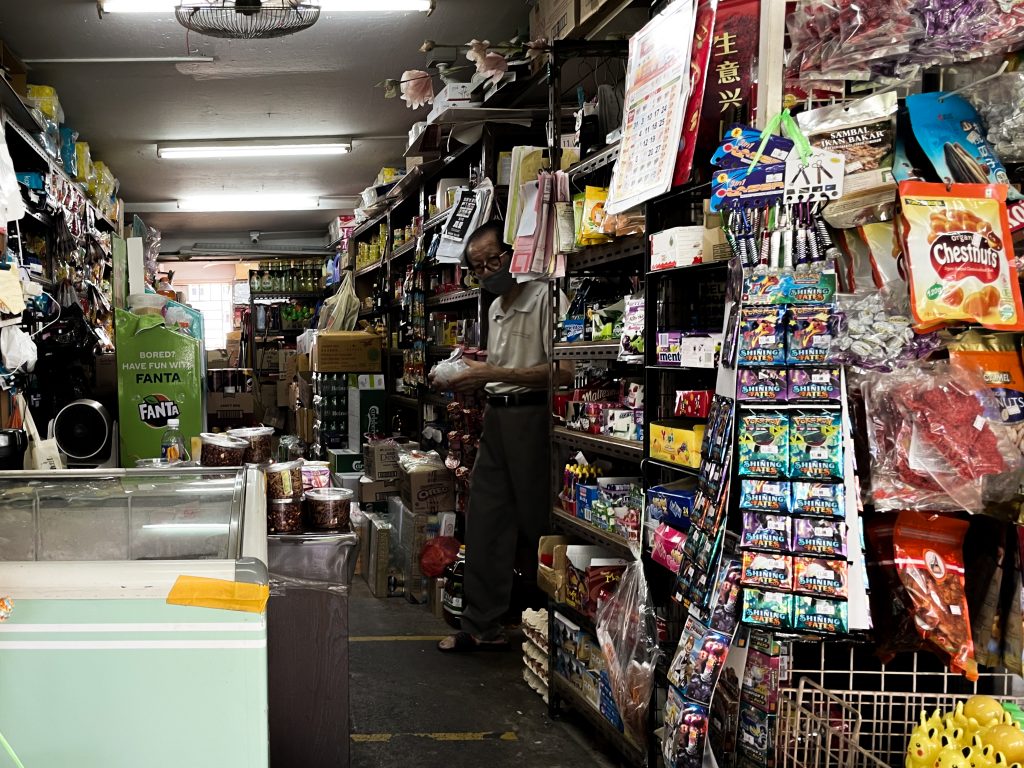
limited space for storage and customers 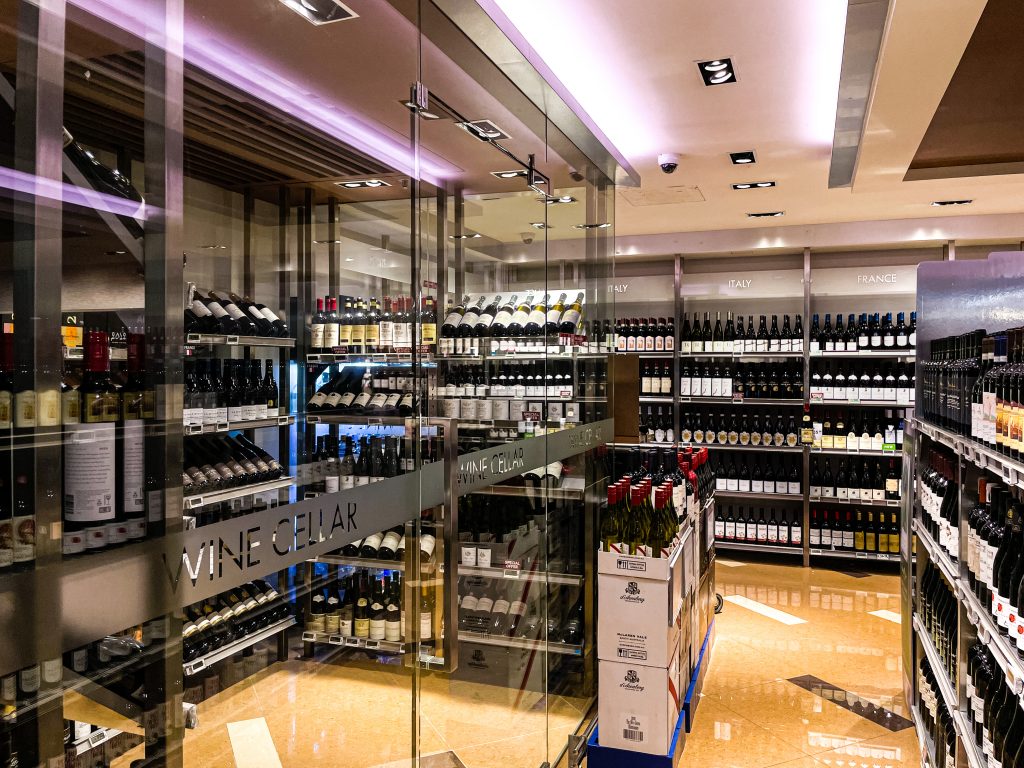
extended section of wine cellar