Women’s sexuality has been casted in a negative light for much of history – but it’s time to revisit the topic. Instead of focusing on man-made constructions of women’s sexuality, have you ever thought to ask women? Well, you’re in luck, because that’s exactly what I’ve done.
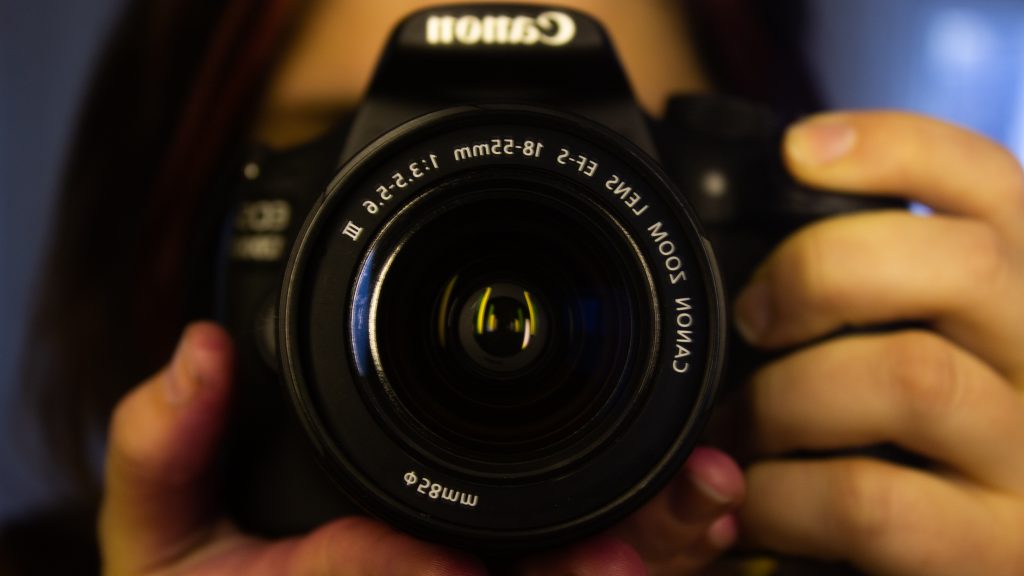
I am a “slut” – it isn’t just my opinion. I have been told, repeatedly, since high school: by strangers on the street, by colleagues at work, by men in bars…And they’re not wrong. I am a “slut”. An unruly “woman” who cares about her sexual pleasure like any other human being would. That’s what a “slut” is, right?
Silvia Federici taught me that women’s sexuality was historically constructed as a sin by men, in an attempt to contain women in the domestic realm, breeding Capitalism’s workers; and that one of the ways in which they achieved this was to initially prosecute and more recently shame promiscuous women. That’s when I realised that epithets such as “slut” gained their power in this context. They serve as a tool to shame women into being “good women”, subjugated to men and Capitalism.
Though change is brewing, shame continues to shape many women’s thoughts about their own bodies and themselves, they continue to be subject to old purity narratives. That’s why I set out to interview three women that I admire to pick their brains and investigate how they think of their sexuality.
Disclaimer: I am aware that not all women have vaginas. This is not an argument for biology but the social construction of womanhood and women’s sexuality.
Justine, 61 – painter, photographer and DJ "I'm not a lady"
Up on the 10th floor of one of the last council tower blocks standing in Broadway Market – Justine makes coffee while we yawn and chat about the word “slut”. “I don’t see it as a negative thing. A slut is someone who knows what she wants”. She continues “I wish I were more slutty, to be fair”. She, a 61-year-old self-described teenager, while carrying her cup to the living room table, tells me: “I got into this very abusive relationship with an older guy when I was a teenager and he made me feel like I was only a sexual object. Before even discovering my sexuality it had been destroyed by him”.
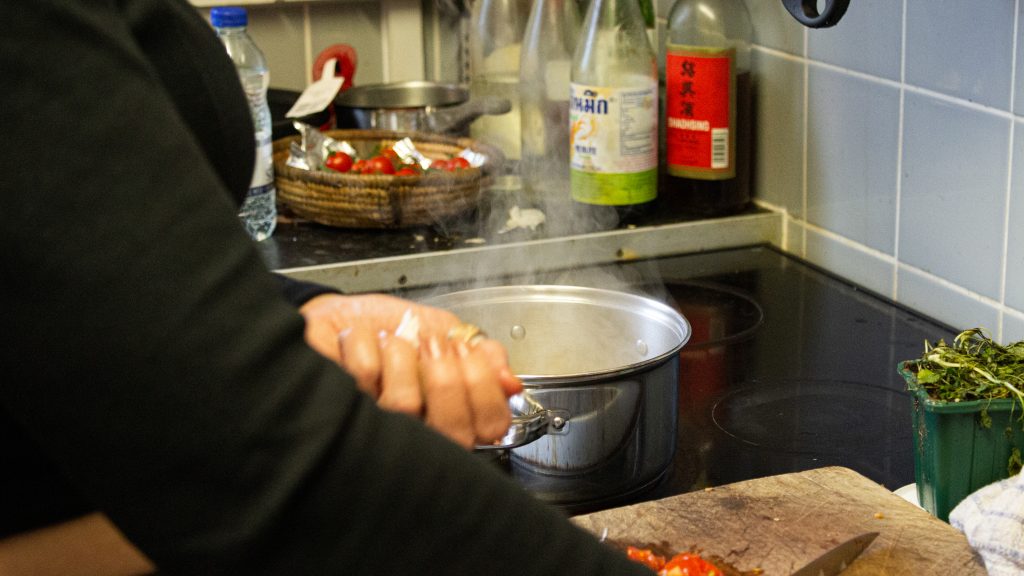
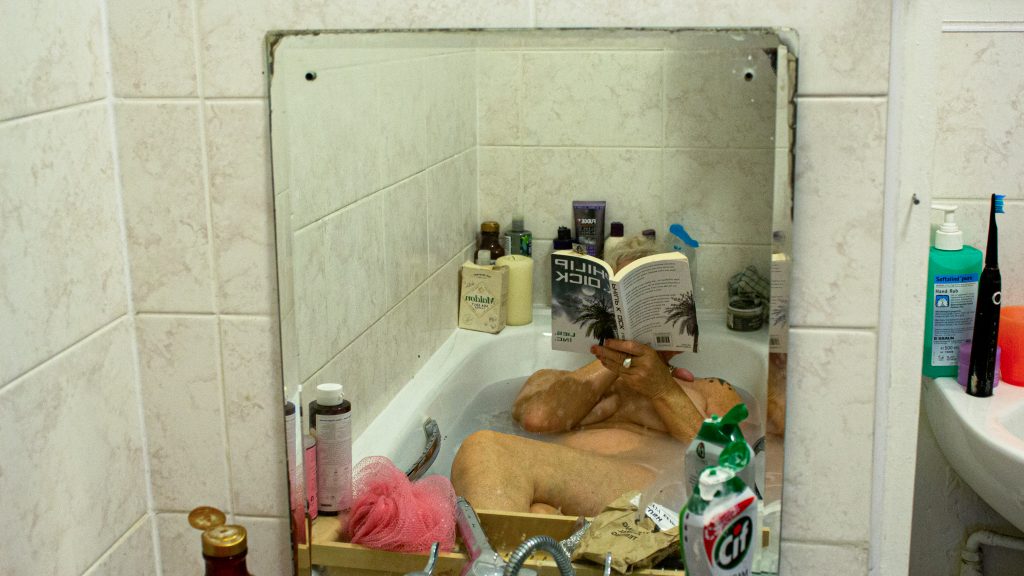
She tells me how she never really felt like a woman or had time to understand her body before it was subjected to sexualisation and abuse. As a result, she says “that changed my whole perspective on sexuality, now I have to really trust someone to let myself enjoy. But I wish I could sleep around like other women, I know there’s a stigma but what is wrong with it? I think it’s freeing”. Talking about her more recent experiences, I ask how she is perceived now as an older woman. Her face lights up. “A lot of women my age tell me they feel invisible but I really don’t, I still get noticed when I go out on the weekends! And I like it when it’s not pervy men. I don’t want to be a sexual object but I do want to be a sexual agent – I am a sexual being. I still want to be desired, just not harassed or shamed”
“I don’t want to be a sexual object but I do want to be a sexual agent”
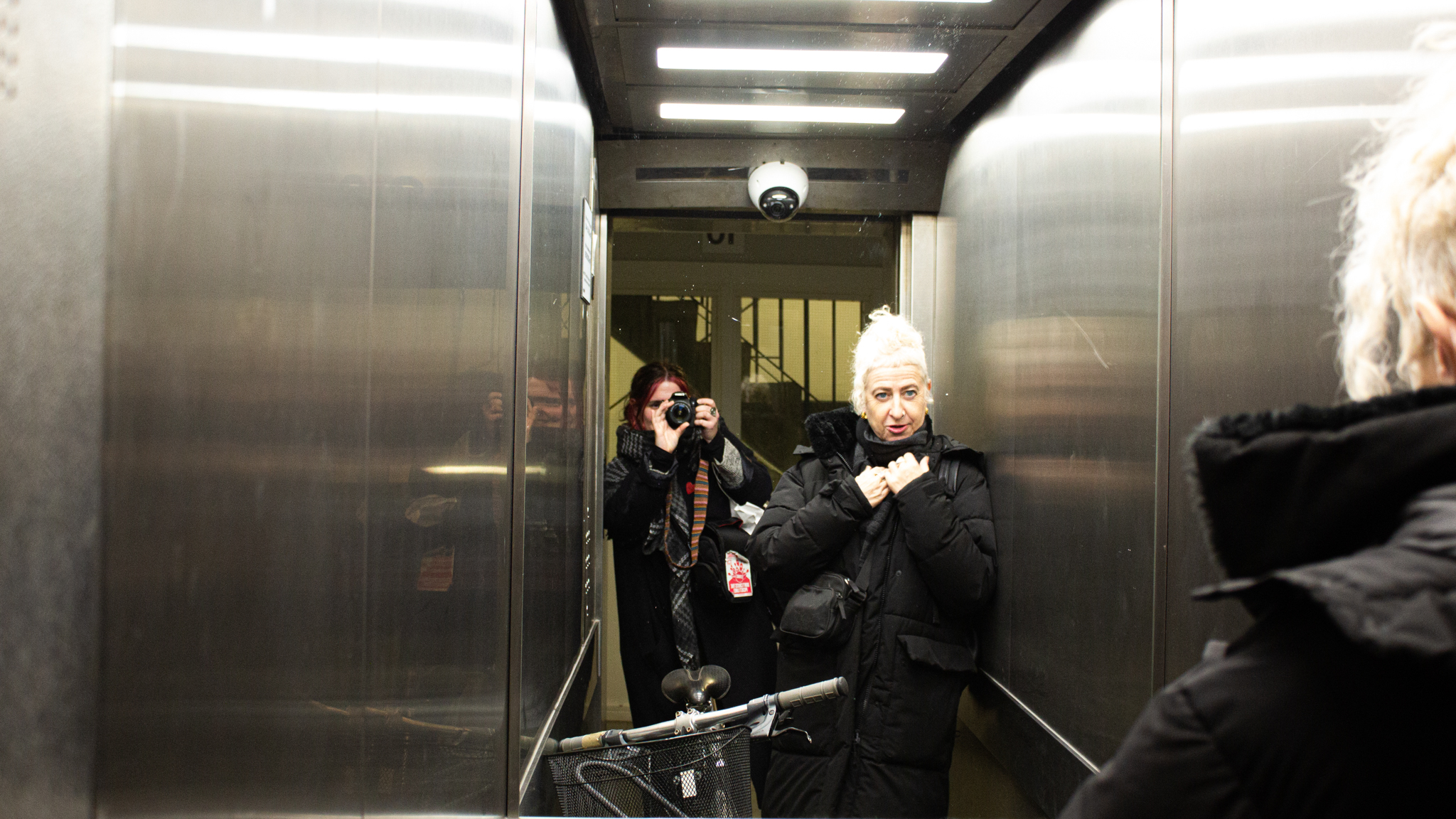
Jade, 28 – dreamer, student, mom, traveller. "I don't think being a slut is wrong"
“I couldn’t explore my sexuality because I was ashamed of my body”
Jade, a self-described dreamer and mom to a toddler, tells me “I think I grew up in an extremely gendered environment because both my parents are gender-normative and I always felt as though it was wrong for me to not be feminine”. Stopping to sip on her earl grey tea, she looks out her living room window overseeing and series of allotments in New Cross and continues “I hit puberty when I was like ten. I didn’t have time to process that transition from child to woman before I was perceived as one. It was confusing and I was angry because I just wanted to be a kid”.

Even though Jade seems very comfortable with her body while we chat, she confesses that “when I hit puberty my body wasn’t acceptable anymore. I was a woman now, and women have to hide themselves from men. I had to follow the rules before I understood them”.
With this new physical growth, came a set of responsibilities that Jade felt were thrashed upon her without enough information. “I didn’t speak about sex with my mom until I was twenty. I just felt a lot of frustration and shame, I couldn’t explore my sexuality because I was ashamed of my body”, she continues. “ I received a lot of attention from older men, and it was weird because I was a nerd in school but suddenly I was also a sexual object” she concludes with a burst of ironic laughter.

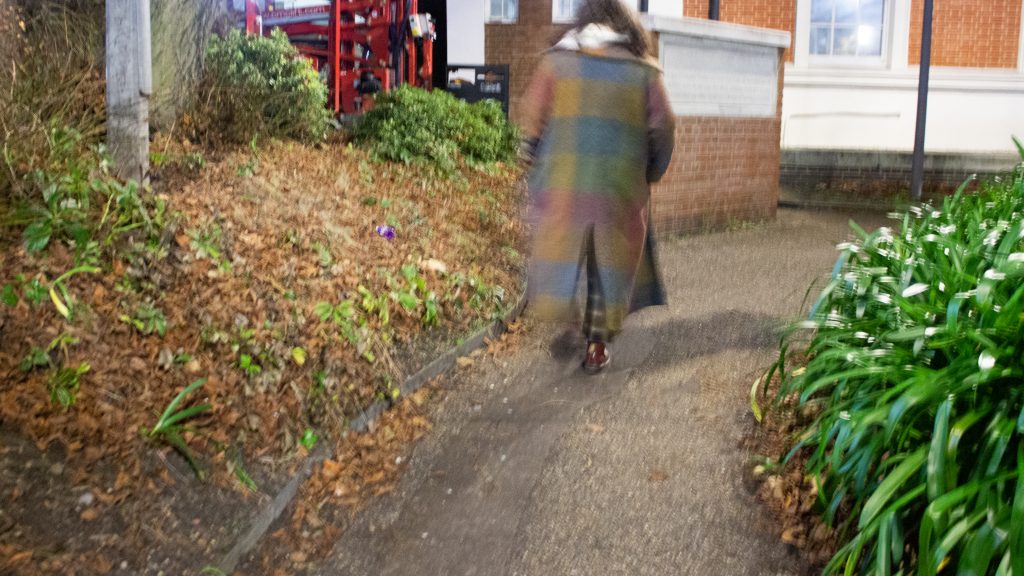
When I ask her when she realised that she was a sexual subject too, she tells me a much different story. “When I did become sexually active, I was really reckless because I felt like I had spent my whole teenage years ashamed of my body and confused about my sexuality and how to express it”. She clarifies that “it was freeing” but that it would have been much safer had her parents taught her about her own body.
Stacey, 47 – multidisciplinary artist. "I never felt forced to do anything"
Stacey, who describes herself as grounded, open, creative and intuitive, tells me “the first time a guy called me a “slut” I was about 15, I was quite promiscuous then and you know, if you’re a girl and do what guys do you’re called a “slut”.
“I was always quite confident about my sexuality and my gender”
Standing in her spare room in Derby, ironing her outfit for the night, she continues “I didn’t really care. I was always confident about my sexuality and my gender”. Even as a child, she says “ when I became a teenager I became more aware of my sexual urges and you’re subject to peer pressure but I just went with the flow. I always took the first step because boys were scared of me”. She then concludes “I was one of the lucky ones, no rumours about me or anything”.
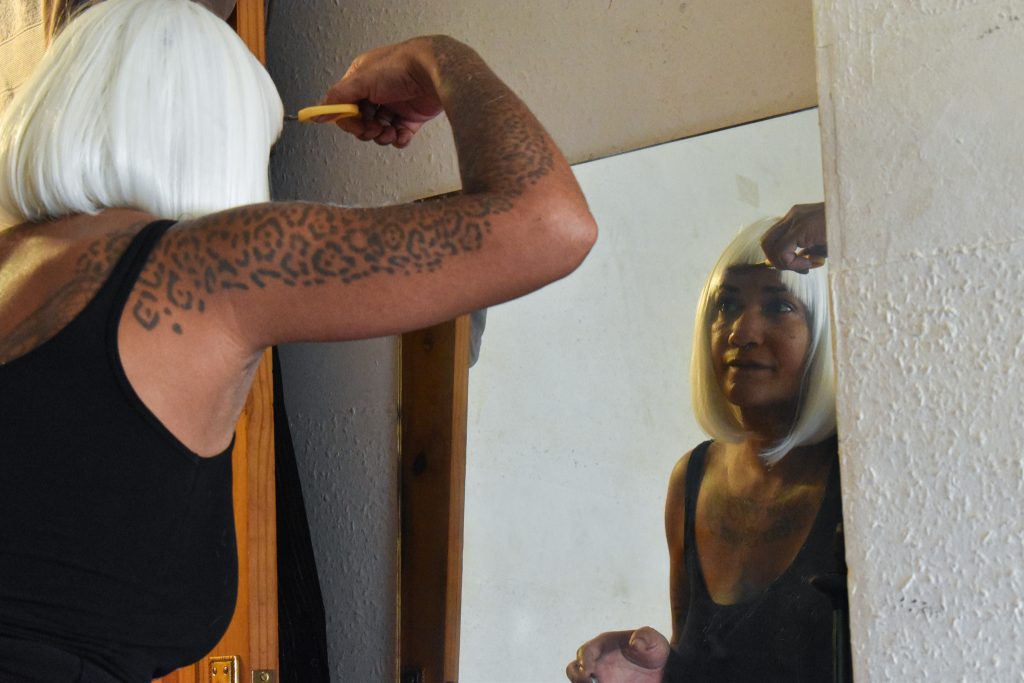
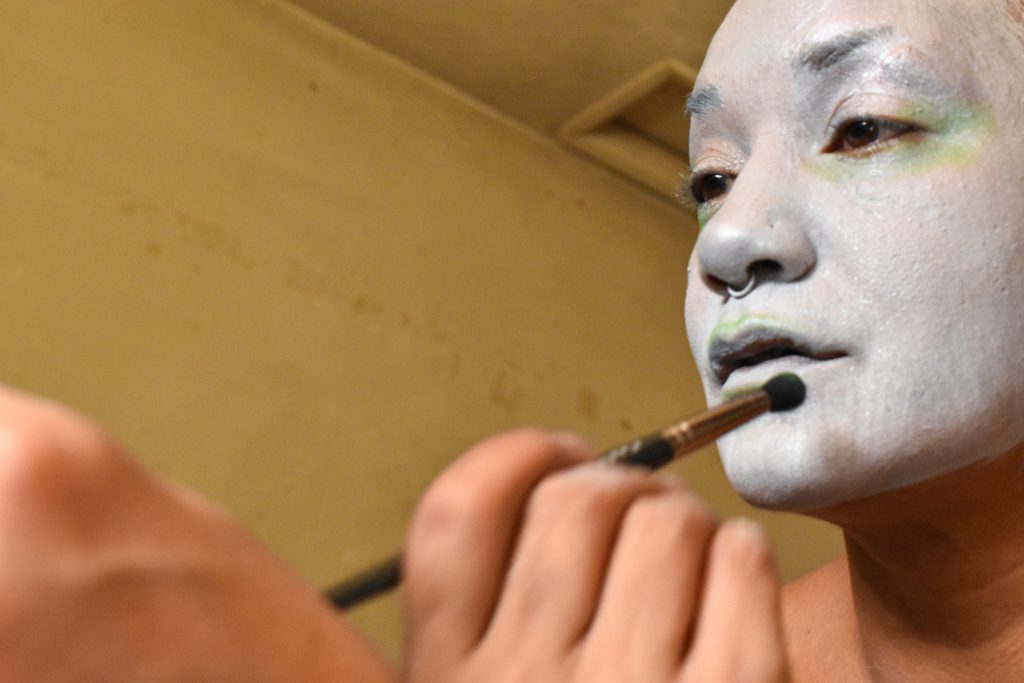
Surprisingly, when I prompt her to talk about any situations where she’s felt shamed to explore her sexuality, she is unable to think of one. Not even in the club? I ask. “No, guys in the club are normally respectful, they don’t “slut-shame” you because most of them are there looking for company”. I ask again: not even your family? “No, they never really judged my profession. Very boring for you”. She says this because she knows what I’m looking for, however, it isn’t boring. It’s inspiring.
The way Stacey conducts herself off and on the stage seems to be the result of a lack of shame, of an understanding that women have a right to be sexual. She isn’t an object in her job either, she tells me “I enjoy it, I enjoy having the freedom to be myself and if I want to put on a character and be someone else as well. My favourite part of the job is being the one in power and getting to strut my stuff”
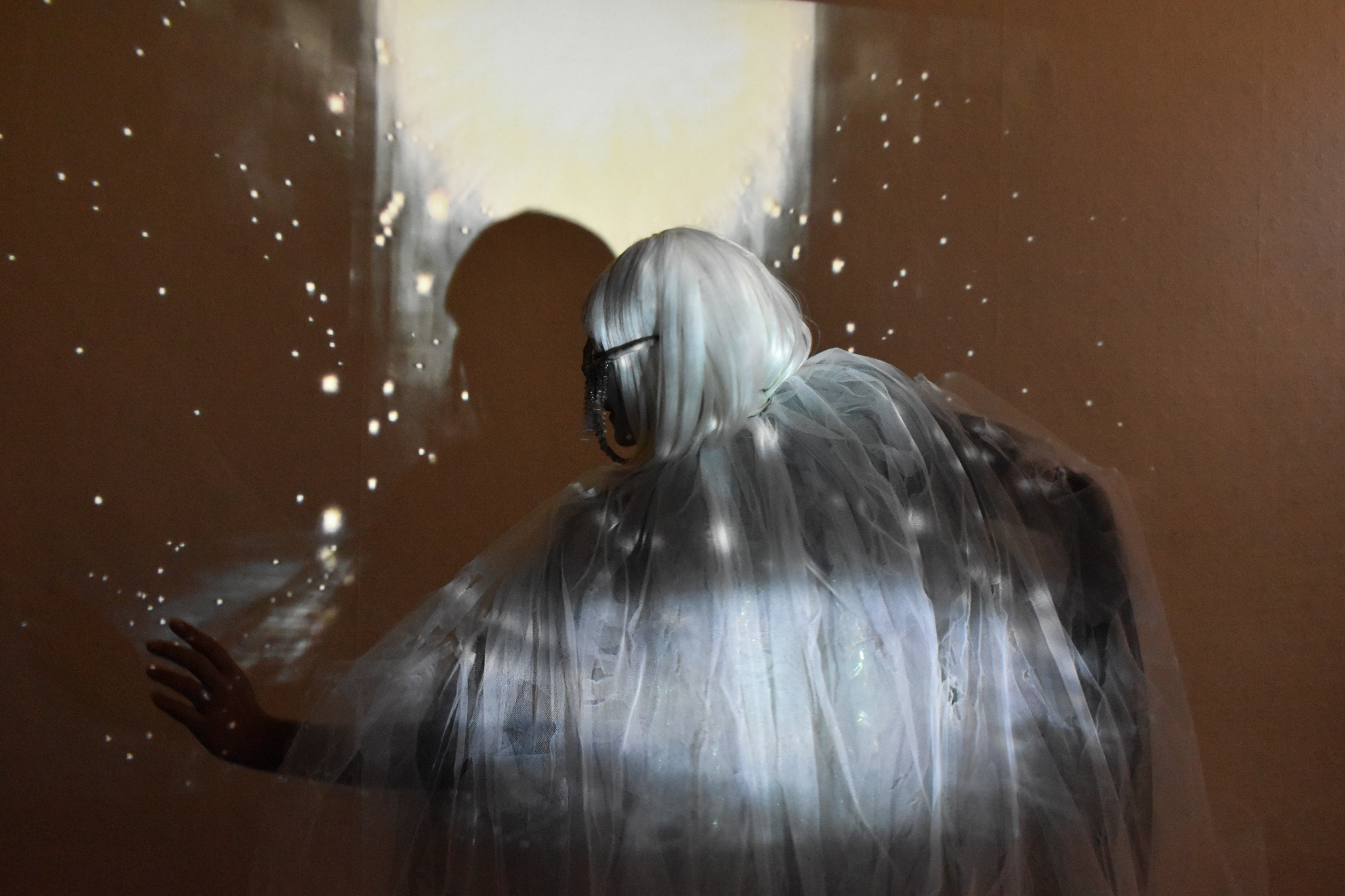
Even though our common understanding of women’s sexuality is very simplistic, as it has been produced by men; the women I interviewed report a multiplicity of experiences, with varying relationships to their sexuality. Words such as “slut” teach women that female pleasure is sinful and negative, that women are destined to be the object but never the subject of desire. However… “slut” does not always equate to shame. Even the sex industry needs women who enjoy themselves and their sexuality enough to make a spectacle of it. Even though women everywhere grow up surrounded by ideas of purity and shame and some are even subject to abuse as they continue to be treated as objects – it seems like we’re slowly realising that we have as much of a right to promiscuity as men. But not just promiscuity, we have a right to be multifaceted and described beyond our gender or sexuality. Justine’s is a sentiment that I feel most of us share: we are all sexual agents, too – there is no shame in that.