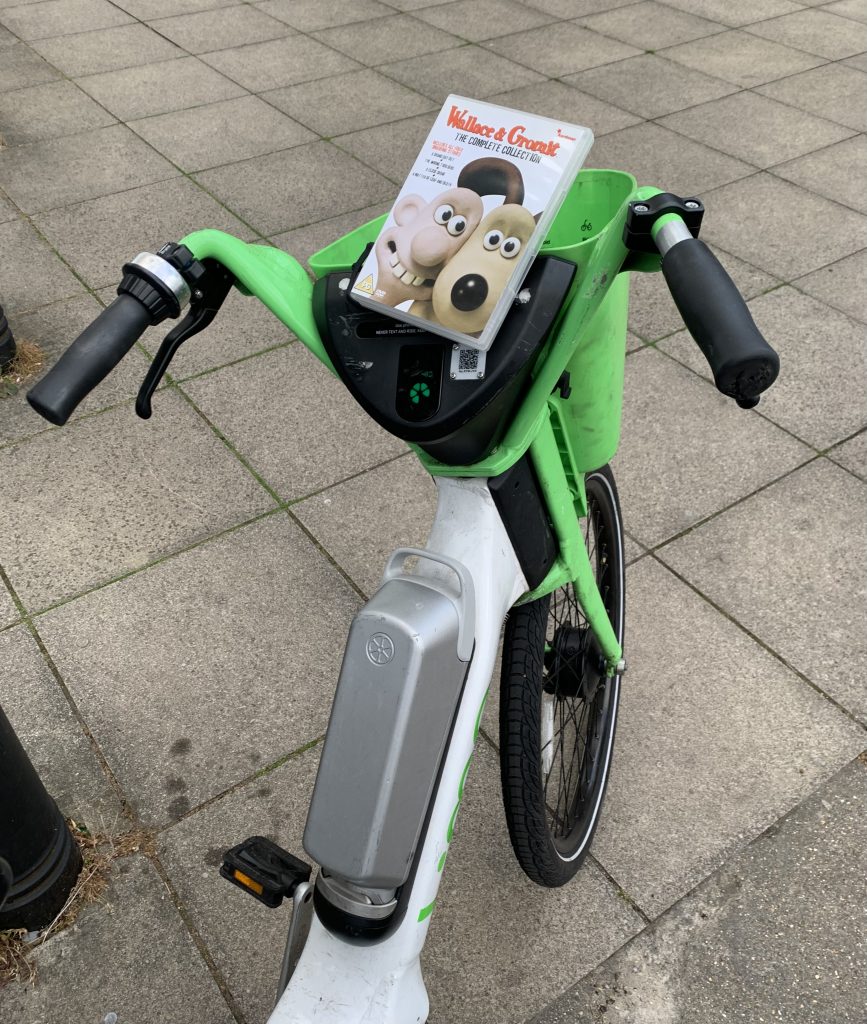
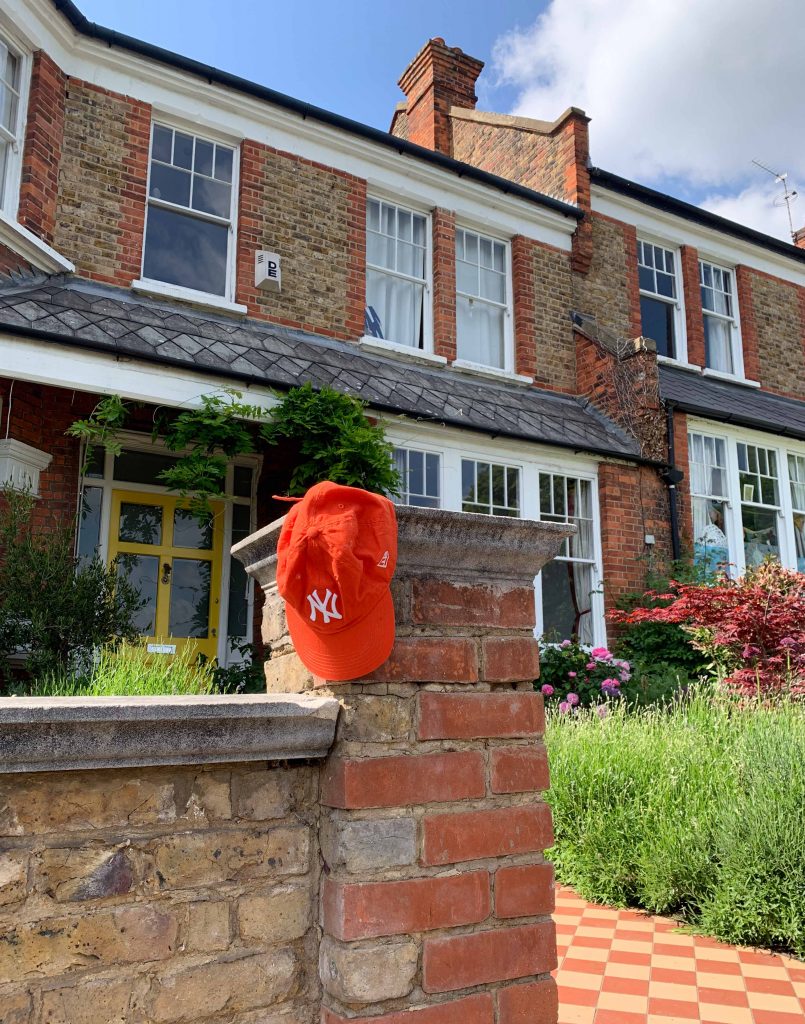
“When I was a kid, I couldn’t sleep unless a cartoon was on”, “I always wear two pairs of socks”, “I hate how my hair looks after I wash it so I always wear my Yankees hat if my hair is wet”.
I was sitting at the pub the other week and asked some friends what their hyper fixations were, at first everyone was hesitant to share. Maybe because they couldn’t think of any, maybe because they didn’t want to say theirs aloud. As soon as one person spoke up, I was surrounded by a choir of obsessions, everyone laughing and speaking over one another. It was evident that everyone had at least one thing that they always did, a routine or obsession that became a ritual, a hyper fixation.
Personally, I’ve always been prone to fixation. Finding the simplest of things, like what I have for breakfast or a certain sock pattern to form a routine around, has been an easy and reliable way to incorporate familiarity and joy into what is otherwise a rather chaotic life. So little of the everyday is under an individual’s control, but that doesn’t mean that we are without preferences over habits or routines. Some individuals may have very calculated routines while others may not even notice that they have ingrained habits. However, even if our relationships with these ritualistic habits become slightly reliant, they aren’t the kinds of relationships that ever cause us pain or anxiety to be away from; they simply elevate the times in which we can have them. I am a firm believer that having something that brings you joy, no matter how insignificant it may seem to an onlooker, can be a saving grace.
Over the last few weeks, I have asked a lot of people what their hyper fixations are. The responses I have collected have ranged from simple behaviors to routines that made my eyebrows raise, but the stranger the response the more comfortable I felt. We all have our own weird habits! Except, I think that we grow so used to our own fixations that they no longer feel strange to us. My most beloved fixation is going for long walks, and they have become so ingrained in my routine that if I don’t spend at least an hour every day on foot my legs start to itch. Walking has become a therapy of sorts. I use it as a time to completely clear my head and focus solely on what is around me. However, I do find that part of this fixations’ role in my life is to act as a distraction, a procrastination tactic if you will, to avoid completing more important tasks. How could I possibly deny myself an hour or two of exercise outside? Walking is probably the healthiest obsession I could have picked to make a routine out of. But there have been times when going for a walk has felt like a compulsion, and I was not able to do or think about anything else unless my phone told me I had taken 10 to 15 thousand steps. At that point walking was no longer bringing me joy. I remember it was summertime, and I felt like I was just dragging my sweaty body from place to place, mile after mile. Eventually, I had to stop. I was bored of being outside and ready to find something new to fixate on; so, I started to knit. That lasted a few weeks, but soon I was back outside, strolling through parks and browsing storefronts. Now I’m more careful about overindulging, I know that too much of a good thing can ruin it.

After speaking with so many people about fixation, ritual, and routine, I realized how much time and energy many of us put into these tasks. I wanted an expert’s opinion on why we fixate and if doing so is in fact beneficial. Natasha Flemming, a retired life coach who spent over 15 years assisting hundreds of people with goal setting and decision making around personal and career challenges, had an interesting take when we spoke over the phone. Her practice and most of her clients were based in New York City, which like London is a fast-paced and career-driven city. Often, she would encourage clients to set aside time for developing routines and habits, especially ones that were simple and fun to complete like “having your favorite cereal for breakfast or going to the movies on the weekends”. Natasha explained to me that she sees the fixation responses people gave me as serotonin boosters which may be why we are drawn to doing them again and again.
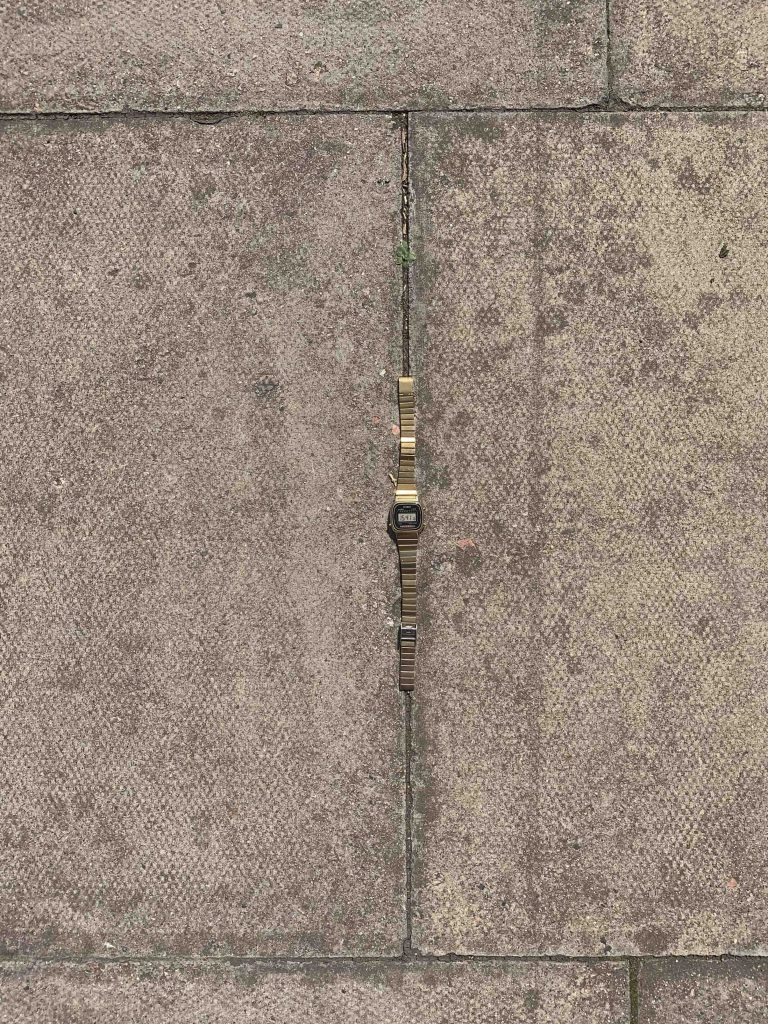

So, whether it is doing a complex skincare routine, listening to that one song over and over, and over or exclusively pooping in the dark, let yourself indulge in that – thing – we all need a little bit of obsession in our lives.