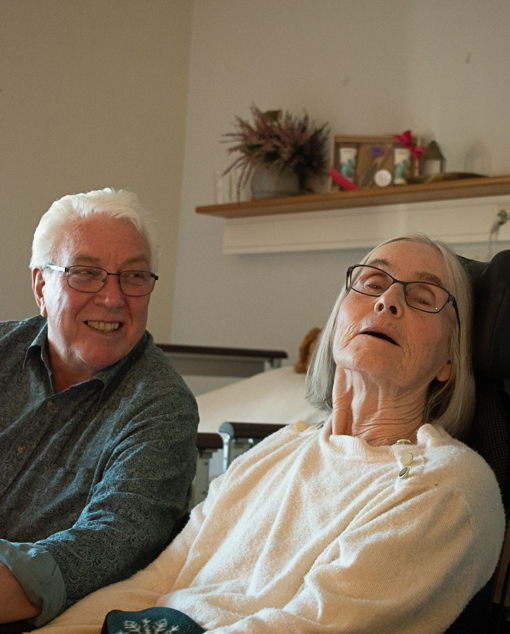
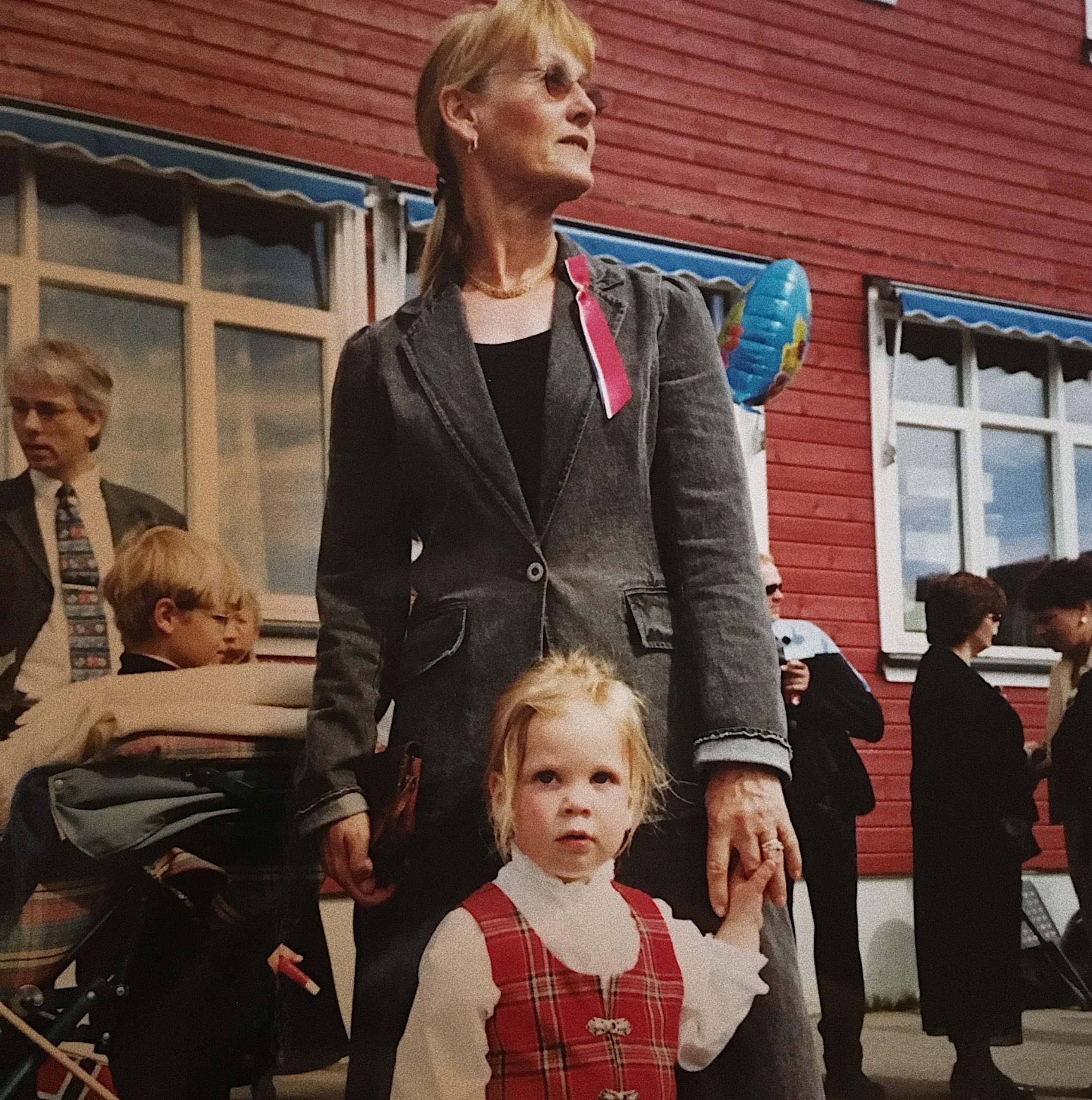
With a coffee in my hand, I looked at my grandma. It smelled the same as it did back then, but it tasted bittersweet, because everything was different. We had this tradition where I would run down the stairs in my father’s way-too-big shoes, and she would sneak a little coffee in my cup… I wasn’t supposed to drink coffee as a nine-year-old. I would look at her in awe as she told me stories about her childhood and giving me advice I wish I wrote down. She looks at me right now, but cannot recognize me, and I look at her with questions that will never be answered, because every scrap of her would be taken away from us .
Music: a shockwave of life
The world population is almost 8 billion people. About 1 in 9 have Alzheimer’s disease. That is 8 million people. That is not one, but 89 Wembley Stadiums filled to capacity.
The percentage of people with Alzheimer and dementia increases with age, from 5% of people aged 65-74 to 33,2% aged 85 and older have Alzheimer dementia.
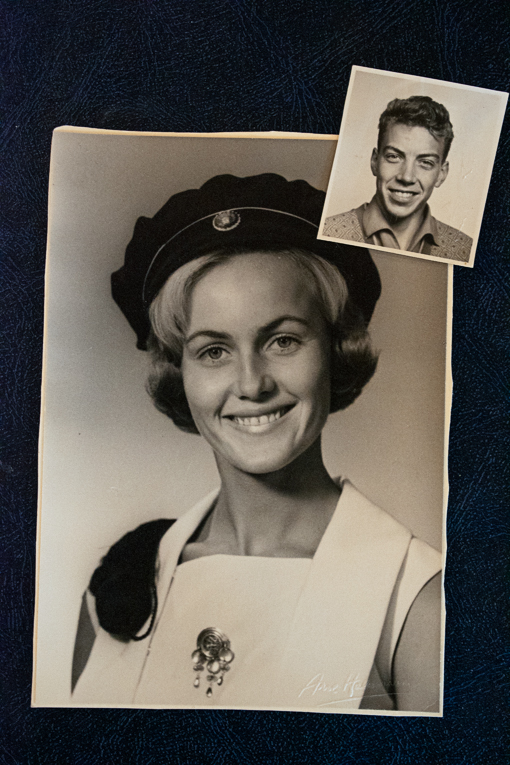
My 78-year-old-grandma, or farmor, is one of them.
One of the people in the crowd in one of the 89 Wembley Stadiums. But my grandma isn’t a number, or a stat.
These apathetic numbers hold the crushing reality of almost 8 million vanishing minds, memories, personalities and childhood stories. They are lives lived, and lives gone. Dreams dreamt and fulfilled, and some lost, for us to keepsake. They are little notes in calendars with plans that never came to be. They are someone we know all too well, who became a mystery.
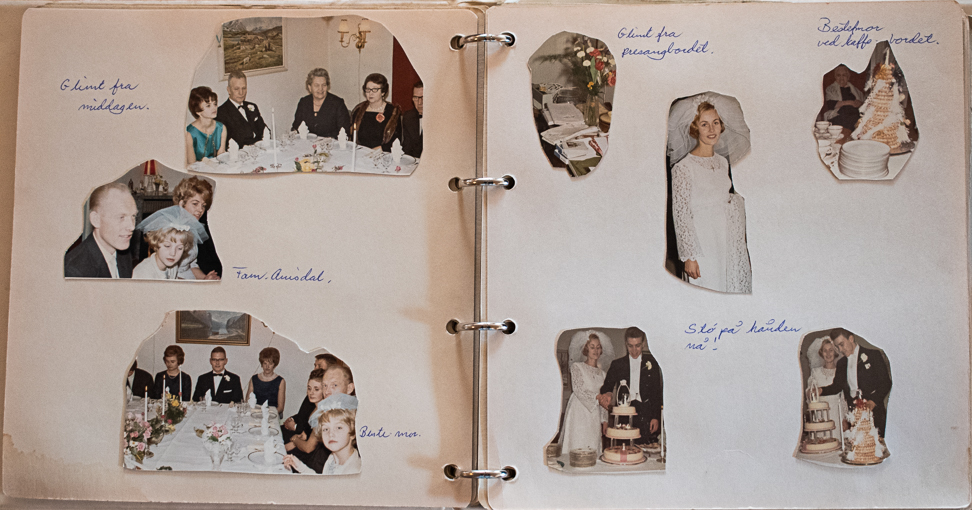
The week she was due to move into a nursing home, I was sitting in my grandparents´ living room alongside farmor. A cover of Elvis Presley’s “Can’t Help Falling in Love” started playing. She started humming along and rocking from side to side. She lit up and began talking about how handsome Elvis “is”, and how much her girlfriends “love” him.
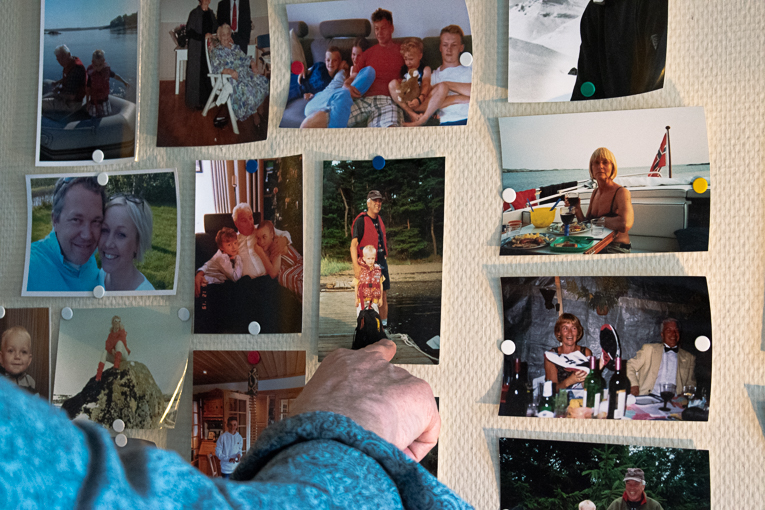
She tried to clap to the rhythm. She didn’t quite succeed, but I didn’t care. Her laugh transported me back to all the moments her laughter filled the air; teasing my grandpa, getting me dressed for theatre, Greek-traditional dancing sessions, and crab-fishing. I could almost feel the saltwater breeze in my face as we sat on the edge of the boat driving through the Swedish coast, or the smell of cotton candy she had to buy because I was such a sore loser in mini golf.
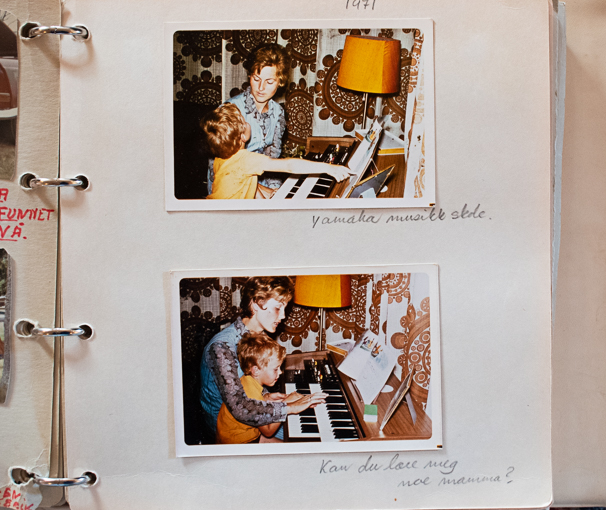
I felt my eyes well up. She’s not the only one forgetting. Looking at her every day, saddened by all the questions I didn’t ask, or the thought of what could’ve, would’ve, should’ve been. I forgot what once was.
In one moment, she sat beside me lost inside of her own mind. In the next she was telling me stories, laughing, and humming, and even singing along.
And she looked AT me, not through me.
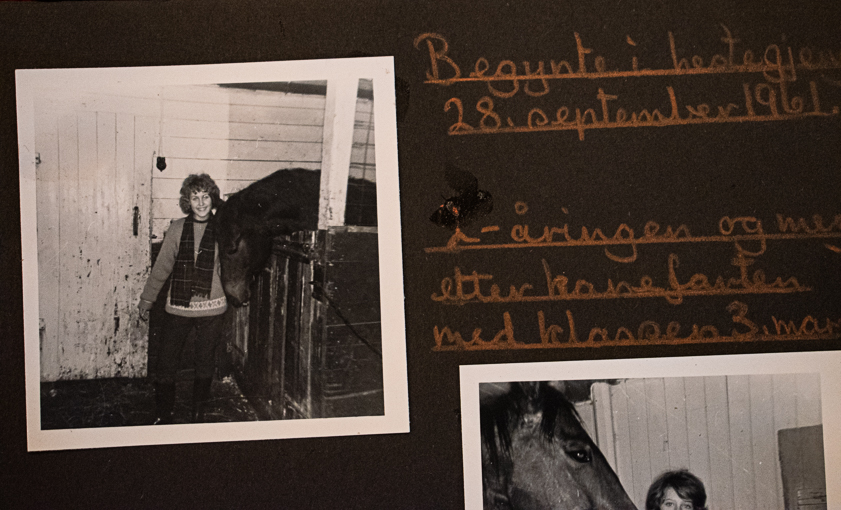
There is absolutely nothing out there that reaches people the way music does. It can completely transform how a person interacts with the world.
Geir Olve Skeie
Geir Olve Skeie is a neurologist at Haukeland University Hospital, and professor at Grieg Academy, where he lectures about music and the brain.
He says that dementia patients can remember all verses of songs they’ve had relationships with, such as from their youth, lullabies and folksongs.
“What you experienced with your grandma, is just another example of how powerful music truly is”.
Music triggers the brain’s limbic system, a system that interconnects different central areas that support various functions, including emotion, behavior, motivation, long-term memory, and smell.
Music has a direct influence on our emotions. It has a direct path. In comparison to language, it doesn’t need to go through a consciousness – it directly connects to our emotion and memory. Something called musical memory. Which even in dementia patients, are seemingly untouched compared to other parts of the brain.
If you could have a pill that would transform somebody like the music does you would be making fortunes out of it
Professor Justine Schneider
Justine Schneider, a professor of Mental Health and Social Care research the social aspects of dementia, and found that out of all social interventions, the most powerful of all is music, and music therapy.
Music therapy is when a music therapist finds out all about that patient’s exposure to music, their knowledge and understanding of music. They find out what’s relevant to them, explore sound making, and develop a whole session around what the patients wants to do and how.
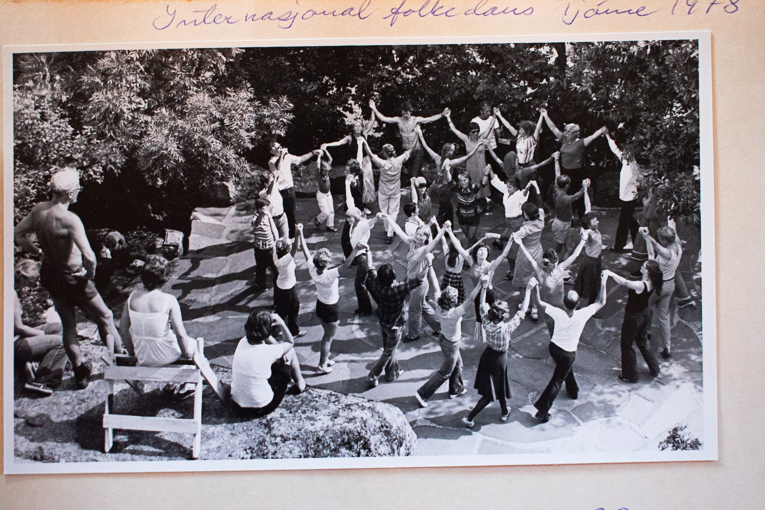
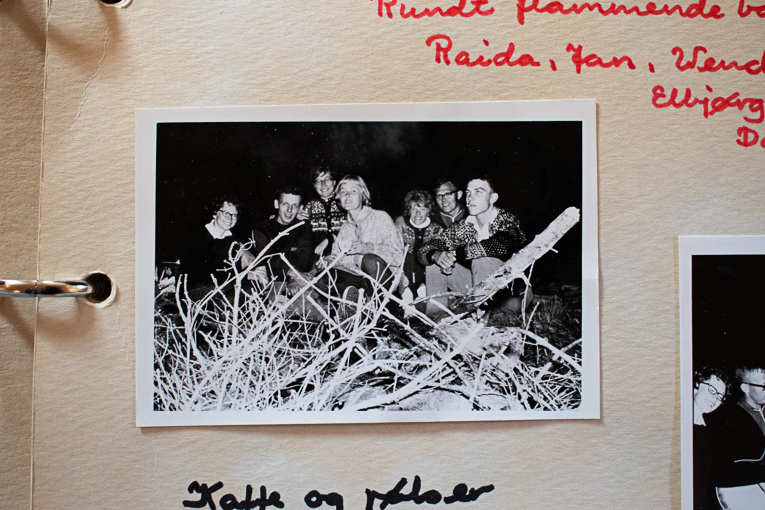
Music and musical memory, akin to the power of scent, possesses the ability to transport us to specific moments and ignite vivid recollections
There is this known phenomenon, where right before someone die, they have this clear moment, where they can talk to their loved ones, like the body is allowing the mind to say goodbye.
These impacts and reactions regarding music feels like those lucid moments. It’s like the music wakes the mind up and brings them back, just for a little bit – like a shockwave of life.
Not just for them. But for us too.
Witnessing patients sing along to songs, often accompanied by awe-struck family members, solidified my belief in the importance of music.
So, if I ever get Alzheimer. Give me the treatment, give me the medicine. And please get me a music therapist.
I´ll have my music collection ready.