What brings to mind when you hear the word addiction? Perhaps something like drugs and nicotine. But there is another kind of addiction that has been heavily mentioned nowadays: social media. With the rise of technology, social media is becoming more and more common especially for the younger generation, and has created a new global issue that has been long debated by experts whether or not it has a direct impact on the brain of developing adolescents.
Everything started in 2016 when Allison got her very first iPhone from her parents. It was the brand new iPhone SE model and Allison was so excited she downloaded all the social media apps that everybody use at the time. Allison grew up in Jakarta, Indonesia in the early 2000s. The technology was not as advanced when she was younger, but now with the release of the iPhone, she got introduced to social media. She began becoming more and more active on these platforms and got to know a lot of new friends. Allison became a social butterfly and quickly got quite a good amount of followers on her social media accounts. As the years go by, Allison is still active on social media and became quite well known in the town she lives in and became some kind of local small celebrity mainly because of her looks.
However, in 2019, Allison got into a scuffle with another social media influencer on Instagram that accused Allison of being rude and disrespectful to her at a social event for a brand launch. At this time, Allison was spending most of her time on her phone replying to all messages and comments regarding her controversy explaining that it was all a misunderstanding. Usually, Allison would spend an average of 5 hours on her phone daily but at this time she would spend almost 10 hours every day just looking through social media to see what everybody has been talking about.
All of these excessive amounts of screen time took a toll on her and quickly everybody around her noticed how different she became. Allison lost 3 kg in less than a month and developed social anxiety. Regardless of that, she is still more than active in social media posting almost every day. It wasn’t soon when Allison finally realized how bad her mental health has become and consult with a therapist who suggested she visit the rehab camp. There, she was forced to give away all of her electronics. All the patients were given psychotherapy, counseling, and activities such as house chores, gardening, sports, and other outdoor activities. Now, Allison has been decreasing her time on social media, sometimes not bringing her phone out to avoid distraction from her phone. It is the sad truth that Allison is just one of the millions of teenagers battling with social media addiction but unlike Allison, thousands of these teenagers do not have the accessibility to therapists and a strong family support system.
“Looking back, I was definitely in a different mindset. It’s horrifying really remembering how I think and behave at that time, makes you realize how easy it is for humans to lose control.”
Last year, King’s College did a study to understand deeper the effect of social media on people’s brains. The study aims to understand the connection between social media and the brain. The researchers stated that social media creates some type of stimuli on our brain. These are more apparent in teenagers rather than adults. The use of MRI technology was used to monitor the activity in the brain and found that the brains of teenagers react differently when seeing different amounts of likes on their Instagram. The more likes they got, the more activity in the brain’s neural regions is significantly higher which affects reward processing, social cognition, imitation, and attention. Because social media is proven to bound a close relationship with our brain, active users should be cautious of the benefits and also consequences when they are abusing that power over the platform. These created more problems such as internet gambling addiction and drug usage.
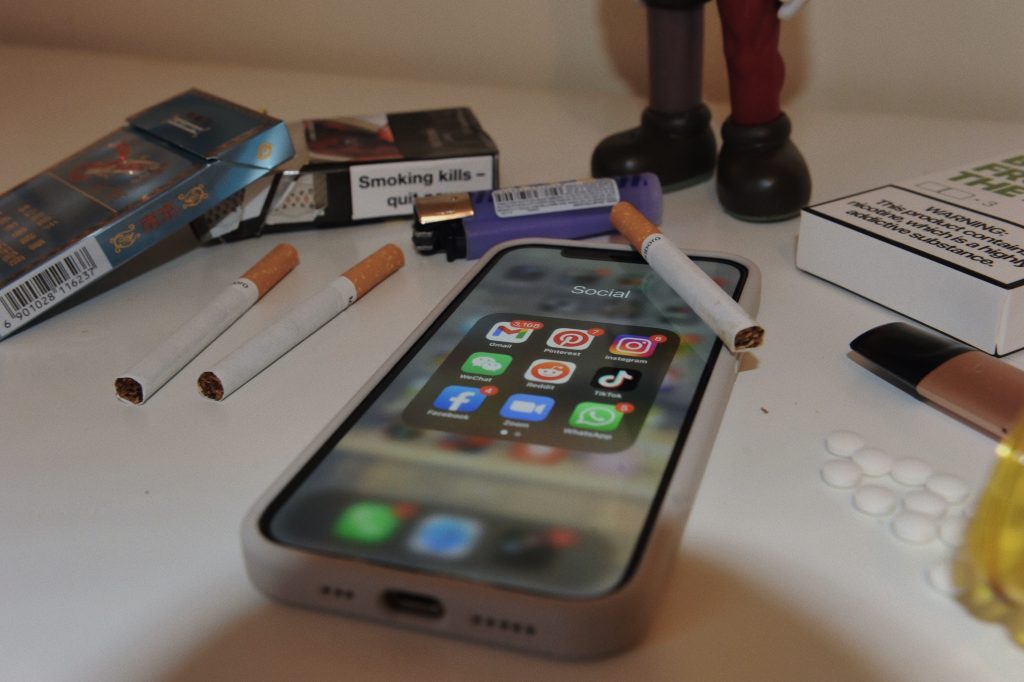
When somebody becomes addicted to drugs, whether they want it or not, their body becomes chemically relying on it, keep searching for more narcotic to keep their brain’s reward processing accelerated. The same goes for social media addiction, when you get addicted to it, your brain craves more and more content to keep your brain pumped up. Behavioural addiction, possess abundant of similar attributes, such as losing control of time spend on this activity and cravings for more and more without caring about the consequences. As research has stated, behavioral addiction likewise triggers the brain’s reward processing portion. The brain becomes addicted to the tiny sparks of dopamine disseminated every time it encounters what they recognize as a reward. And when the body craves that dopamine by texting, browsing, watching, and soon it can quickly turn into an obsession.
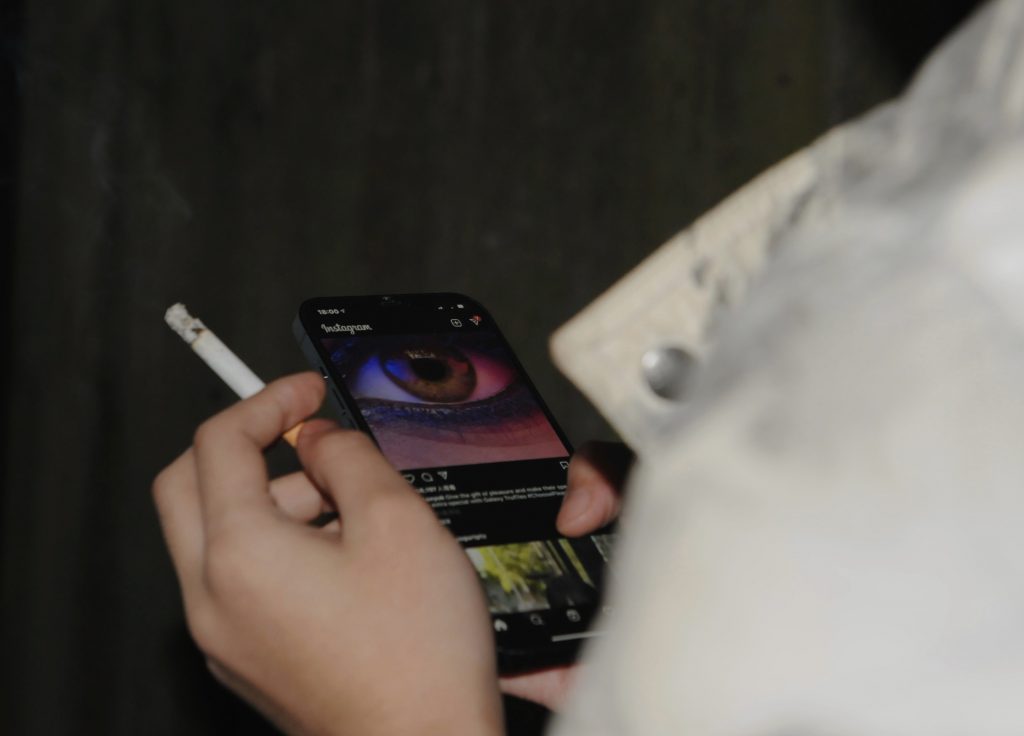
When somebody becomes addicted to drugs, whether they want it or not, their body becomes chemically relying upon it, keep searching for more narcotic to keep their brain’s reward processing accelerated. The same goes for social media addiction, when you get addicted to it, your brain craves more and more content to keep your brain pumped up. Behavioral addiction, possess abundant similar attributes, such as losing control of time spent on this activity and cravings for more and more without caring about the consequences. As research has stated, behavioral addiction likewise triggers the brain’s reward processing portion. The brain becomes addicted to the tiny sparks of dopamine disseminated every time it encounters what they recognize as a reward. And when the body craves that dopamine by texting, browsing, watching, and soon it can quickly turn into an obsession.
Even more than that, social media can also affect the emotional processing function in the brain and decision making. Researchers from Harvard University obtain data that shows parts of the brain that specifically handle the emotional processing responded distinctively when the users felt excluded. Other than that, it also pointed out the consequence of exclusion on the still-developing teenagers’ brains. “Social media is something I have a love and hate relationship with. It helped me meet new friends but at the same time made me scared to interact with them, it’s really weird,” states Nastasia Adeline, a rising Instagram influencer with almost fifty thousand followers. “It causes me so much unnecessary stress every day but I just couldn’t stop myself from opening these apps”
“I sometimes felt like I just want to delete it all and live life but even though it causes me so much pain but it also brings so much joy.”
Just as the study discovered, our brain reacts differently to the amount of popularity we get, involving the reward processing and the attention aspect of the brain’s neural region.
All of the issues really do make us think whether this issue can be avoided or is unavoidable with the rise of technology? According to a research, nowadays most children obtain their first phone at the age of 7 with many complaining to be anxious without their phone and more than half of all of the children couldn’t sleep without it. When kids get introduced to the internet at such a young age, it sure plays a role in their brain’s growth. “When you get introduced to social media so early in your life, it warped your social development and at then it caused a tremendous increase in anxiety and depression”, says Dr. Imelda Konghoiro, a psychotherapist from Psikolog Charity, one of the best rehabilitation facilities in Jakarta, Indonesia. “Because of their fragile mentality, they are not able to cope in a stressful situation because they are so used to living inside of a bubble with their parents protecting them” she added. However, despite all that, it does not mean parents should just let their kids go explore the world by themselves.
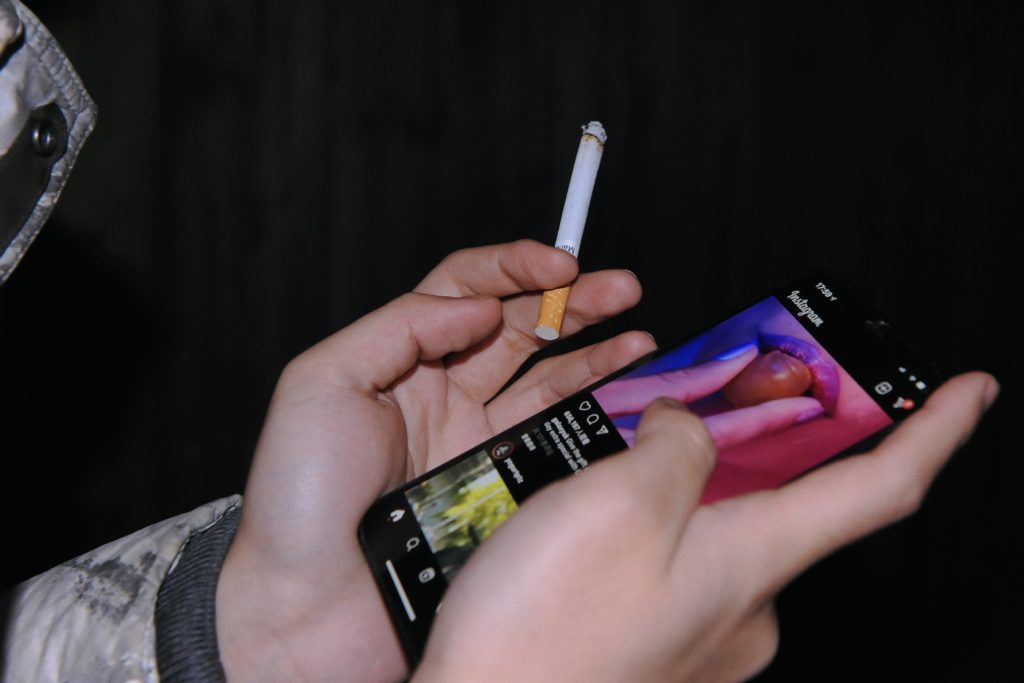
Dr. Konghoiro then explains further about post-traumatic growth, which in general view is to look at people who have been through traumatic experiences. “Surprisingly, those events that lead to trauma are rare. But most people grow, most people at least say that they are getting stronger. One of the big things is that you find out who truly are your friends and that relationship gets much deeper as you develop more sensitivity to others and you tend to care less regarding career success,” she explains. Just like our body that needs to attacked by viruses in order to get stronger and immune, the same goes for our mind. Sometimes, all it needs is a little rain in order for it to grow. As she was explaining, she said something that stayed with me. It goes along the line,
“When you get knocked hard, you tend to get back better.”