Nature can survive without human beings, but human life is dependent on nature to survive.
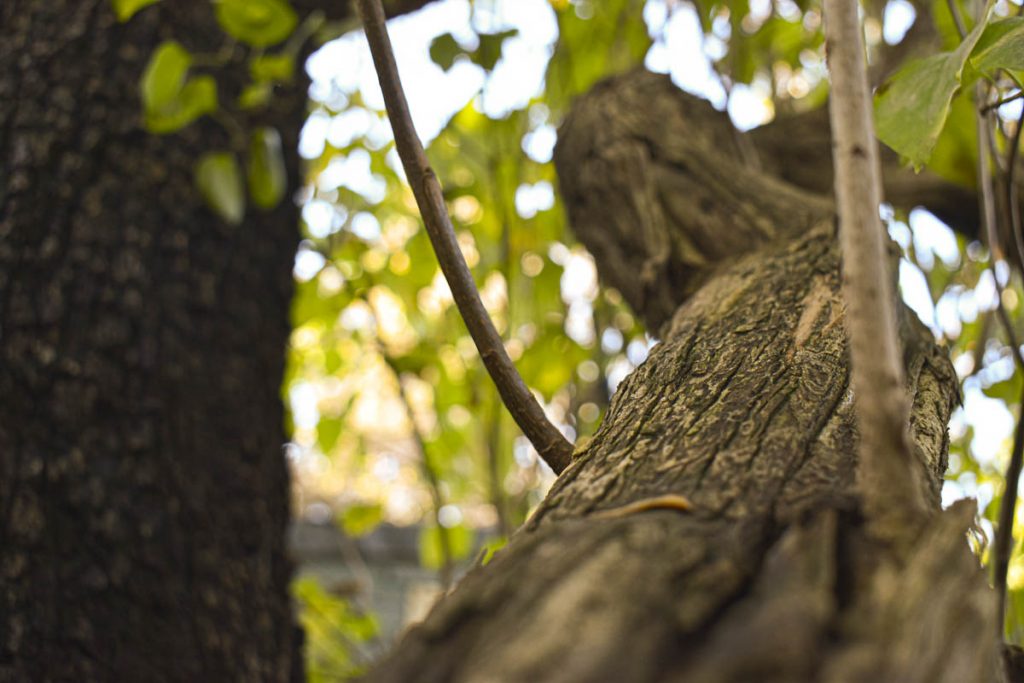
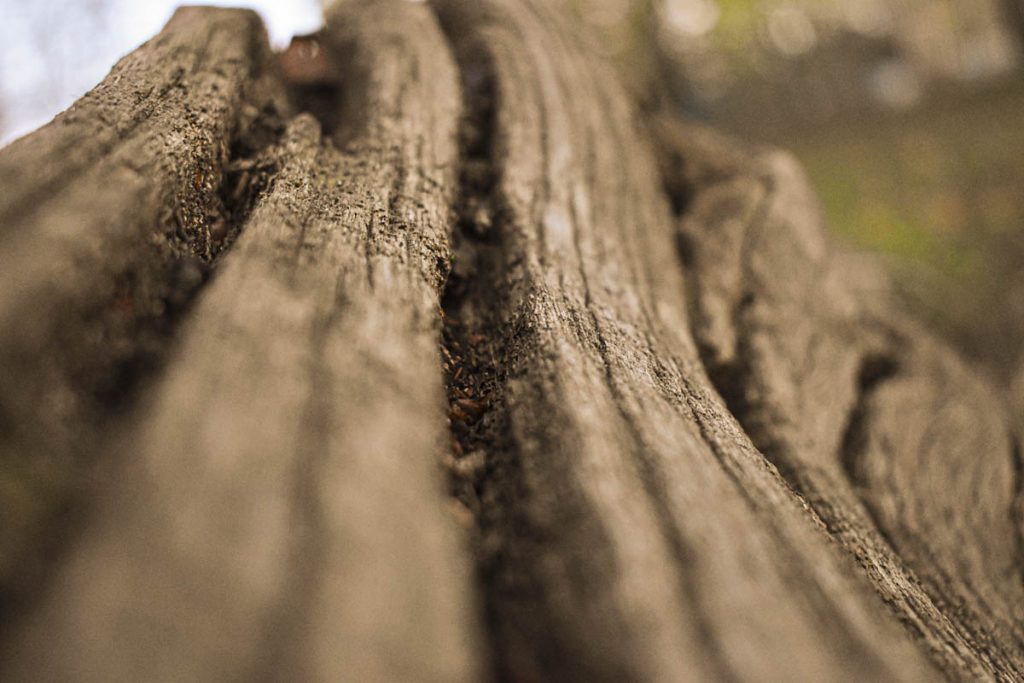
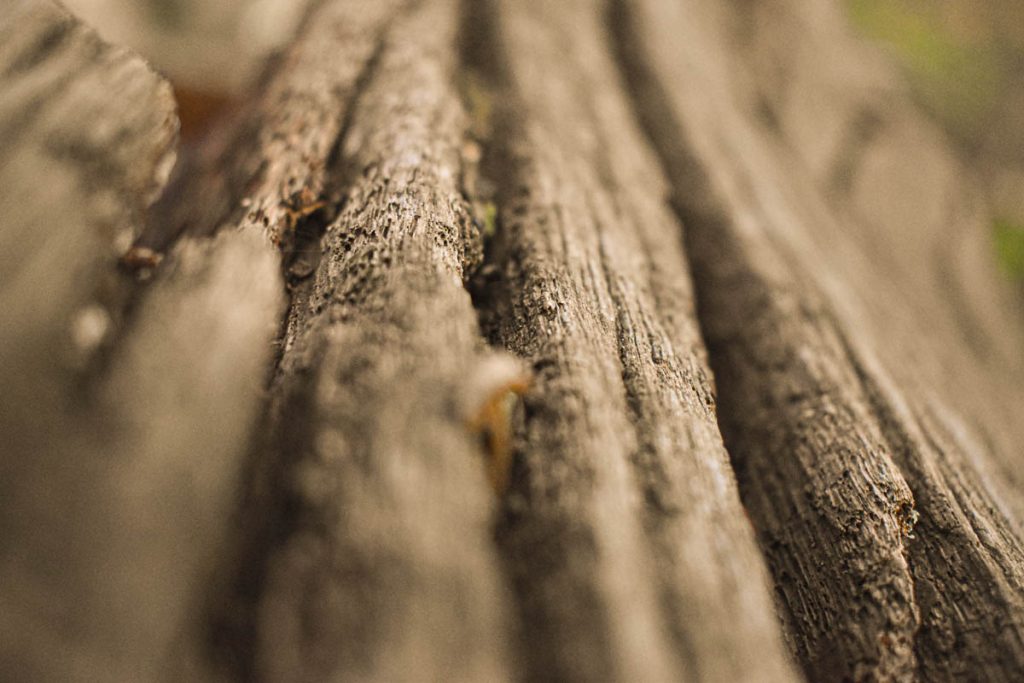
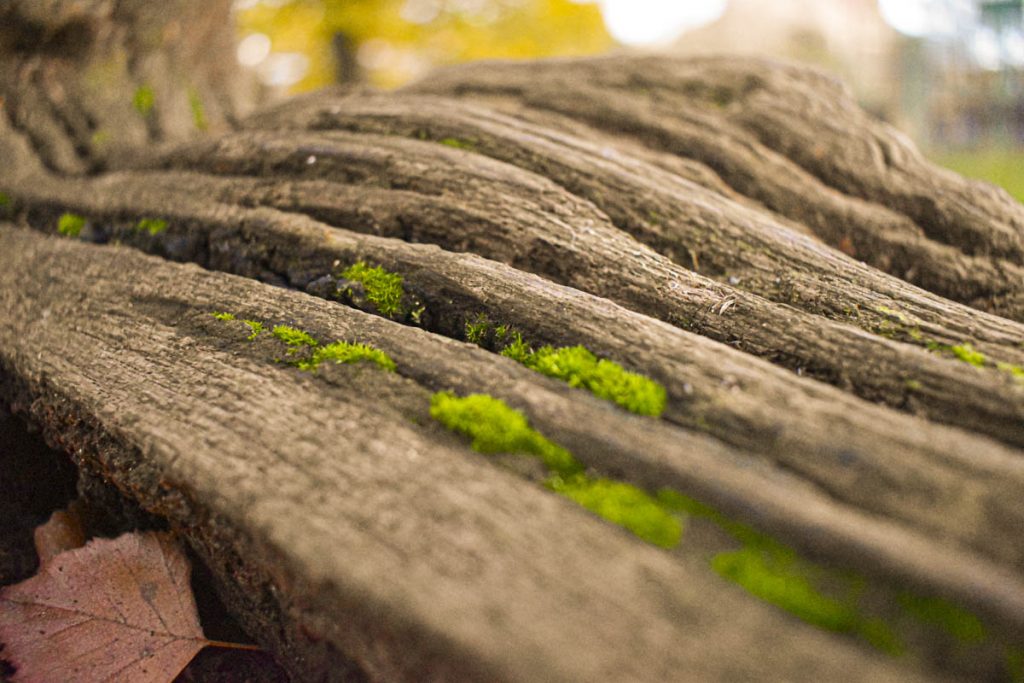
Trees have been called “the lungs of the earth” as they produce oxygen and remove cardon dioxide out of the atmosphere. As well as performing this essential service they also provide a home for a variety of wildlife, stabilise the soil and soak up excess surface water, provide shelter from sun and rain and give us food. Their timber is used in a wide range of manufacturing and many of their extracts can be found in today’s medicines. Ancient Briton was covered in woodlands but during the 2 world wars, when timber imports were difficult, these are now estimated to be just 1% of the UK, of which half are not native trees but planted conifers. These remaining woodland areas are constantly under threat from developers, need for large grazing land, air pollution and the spread of invasive species. These once ancient woodlands may have been lost forever but a record of their presence remains in the names of villages, towns, street names and in old photographs of local areas.
I spoke to two local people of their interest in nature and the outdoors and questioned them on the origins of their love of trees and wildlife.
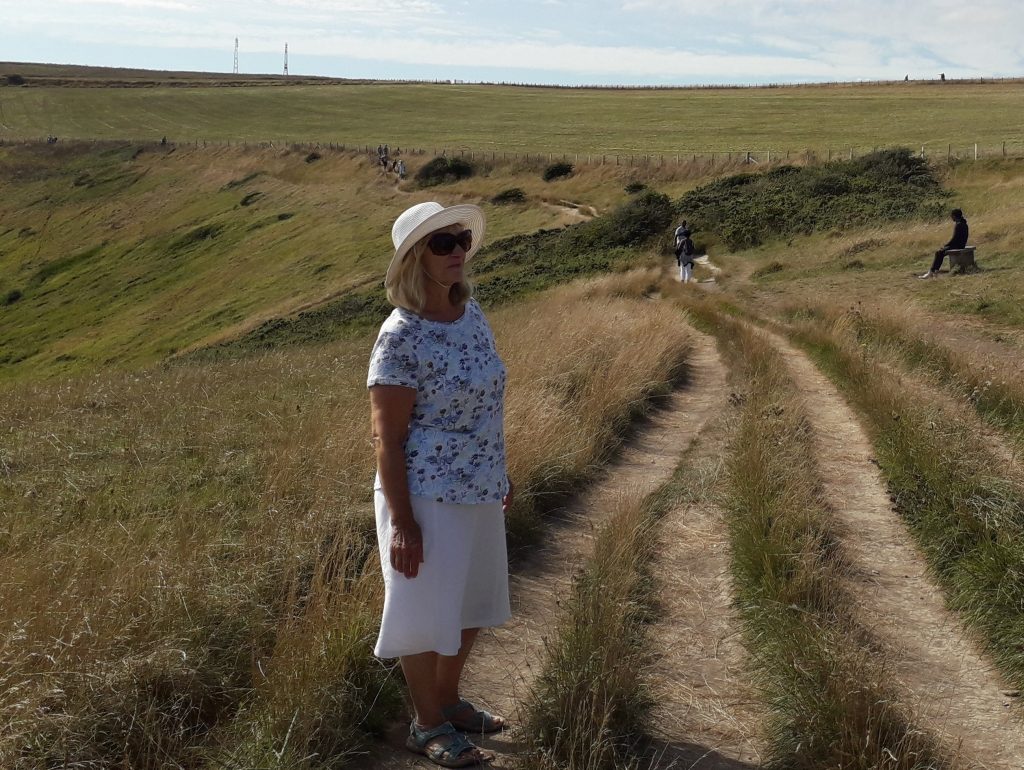
The first person I interviewed was Isabel, a 70 year old music teacher, whose love of nature began from an early age. She said, “I have always had a passion for nature and spend as much time as possible outdoors, walking every day and in all weathers. I have a particular interest in trees and am struck by their beauty, in all the seasons, and for all the life that is sustained within their structures that are both visible and invisible to the naked eye. I am lucky enough to have spent my formative years living adjacent to the 102 acres of Alexandra Palace and Park, home to avenues of Horse Chesnutt trees, ancient Oaks and Sycamores.”
She continued, “I have recently learnt that trees do not live in isolation to each other but have a sophisticated communication system that alerts neighbouring trees of approaching dangers such as pests and diseases. We have much to learn and still to discover about trees and I do hope that it is not too late to save the many endangered species such as Elms, Chestnuts and Ash trees.”
“…they take the easy route of destroying these 150 year old trees and replacing them with non-native varieties that will take over a 100 years to mature…”
Isabel began to reminisce of her time growing up and her concern for the trees and wildlife’s future. “When I was growing up in Wood Green I often wondered where its name derived from as there was no wood and although it was fairly green at the time it is, in present times, becoming less so. Tree lined avenues of large Plane trees are slowly being removed due to their root systems lifting up the pavement, disturbing house foundations and the danger in autumn of pedestrians slipping on their wet leaves. Although the council have ways and means of dealing with these problems, they take the easy route of destroying these 150 year old trees and replacing them with non-native varieties that will take over a 100 years to mature and help to combat climate change. In the meantime the birds, beetles, butterflies and squirrels are all deprived of their homes, in a time when their numbers are depleting and are themselves at risk of extinction.” We discussed a recent survey that estimated that a tree can sustain 2.3 million other species, which confirmed Isabel’s bleak forecast of the future.
She added that, “In Wood Green I can compare the destruction of local trees to that of the historic buildings with interesting architecture that used to be in the town. Beautiful buildings in the 1970’s were demolished to make way for brutal, concrete office blocks. Graceful and interesting shop fronts were replaced with an unsightly shopping city. Armshouses, that in present times would be converted to make desirable apartments set in grounds of gardens, have been lost forever as is the fate of our beautiful trees if we do not stop this lack of appreciation for their biodiversity and their role in combating greenhouse gases. She concluded that, “during covid it became evident that the public needed to be outside and that walking in nature was essential to our well being and mental health. I hope that this new found belief in the restorative aspect of nature will fuel peoples eagerness to preserve these green areas and that they will fight to save them from the developers bulldozers.”
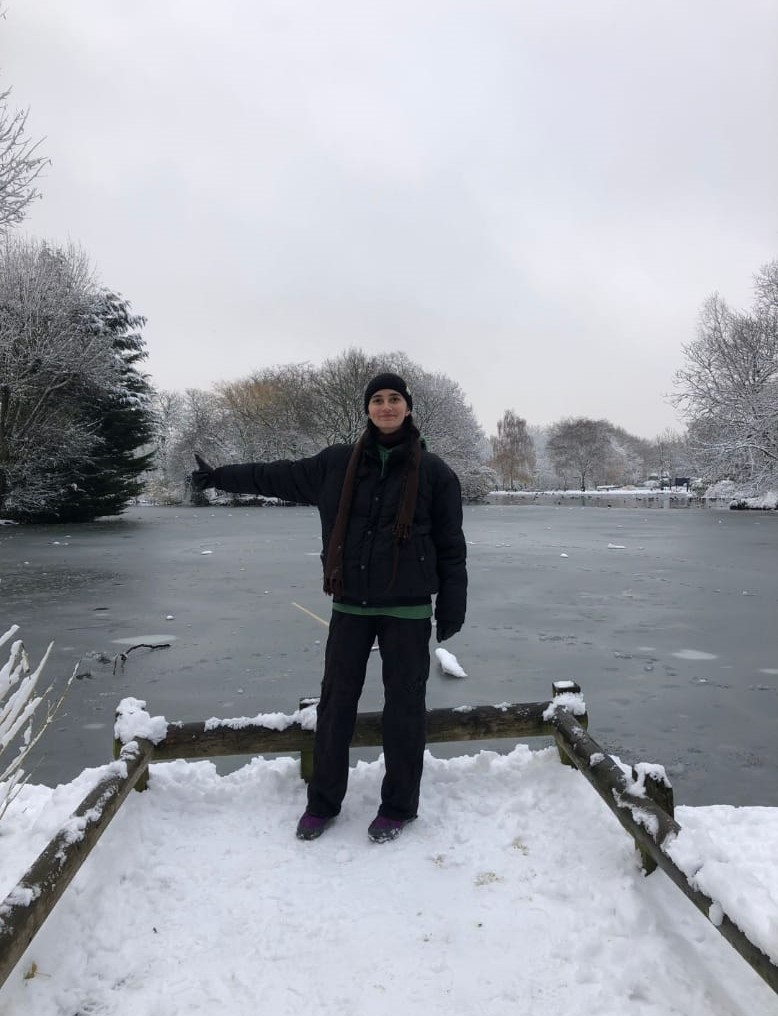
In contrast to my discussion with Isabel I later spoke to Amber, a 20 year old law student, who has lived locally all of her 20 years and who hopes that she is doing her part for nature but knows it’s not enough as there are obstacles that prevent her and her generation from making any real change because of government, politics and money.
“…in the future we will be the ones that can make changes happen.”
She began, “I am very fortunate that I have grown up living next to a large park filled with all kinds of wildlife from ducks, swans, bats and plant life. I have taken for granted nature having lived within it. However, through my education I have gained the knowledge of the ever pressing loss of habitat throughout the world and the global issue of climate change. I, like others of my generation, feel it is our responsibility to right the wrongs of past generations and try to correct the mistakes they have made. Learning about inequalities in the world I began to research injustices and along the way came across weather disasters in other countries and in particular under developed countries that do not have the infrastructure or money to deal with them.” She continued, “I remember learning in Geography about the destruction of the mangrove plantation. I can’t remember exactly why they were cut down, probably for planting other things for that they could have been exported for more money. This then caused flooding which revealed that the mangrove trees had been protecting them and the land from these extreme floods. I was so glad to learn that they realised their mistake and are replanting the trees.”
Amber went onto criticise big business, “It is alarming how quickly nature habitats are being lost, and for what? Makeup products? That’s something I have recently learnt; part of the Amazon rainforest and I am sure more, has been cut down for this product called palm oil. Its in everything. I would like to think that people wouldn’t buy these products if they knew where and how its being grown.” She mentioned that, “I have been a part of a few peaceful marches to encourage change and it really gives me hope for the future that people can come together for an issue this big. I can only hope that people who have authority will take notice and make an actual change. I would love to do more but there are so many obstacles that prevent me and many others from doing so. Such as switching to an electric car or having solar panels on the roof but they are so expensive it makes it harder to make the change. Amber continued in a sombre tone but concluded our talk more upbeat that, “as the cost of living is rising and the majority of the population is focused on surviving, climate change is at the bottom of their agenda. I think that as the younger generation are more passionate about saving the planet in the future we will be the ones that can make changes happen. Planting more trees is a step in the right direction but more needs to be done.”
Although there are many years separating Isabel and Amber, it is uplifting to hear their similar views, concerns and optimism for the future of wildlife and, ultimately, the future of the planet. We can only live in hope that the Ambers of this generation can eventually become the decisions makers and let their future aims come into being.