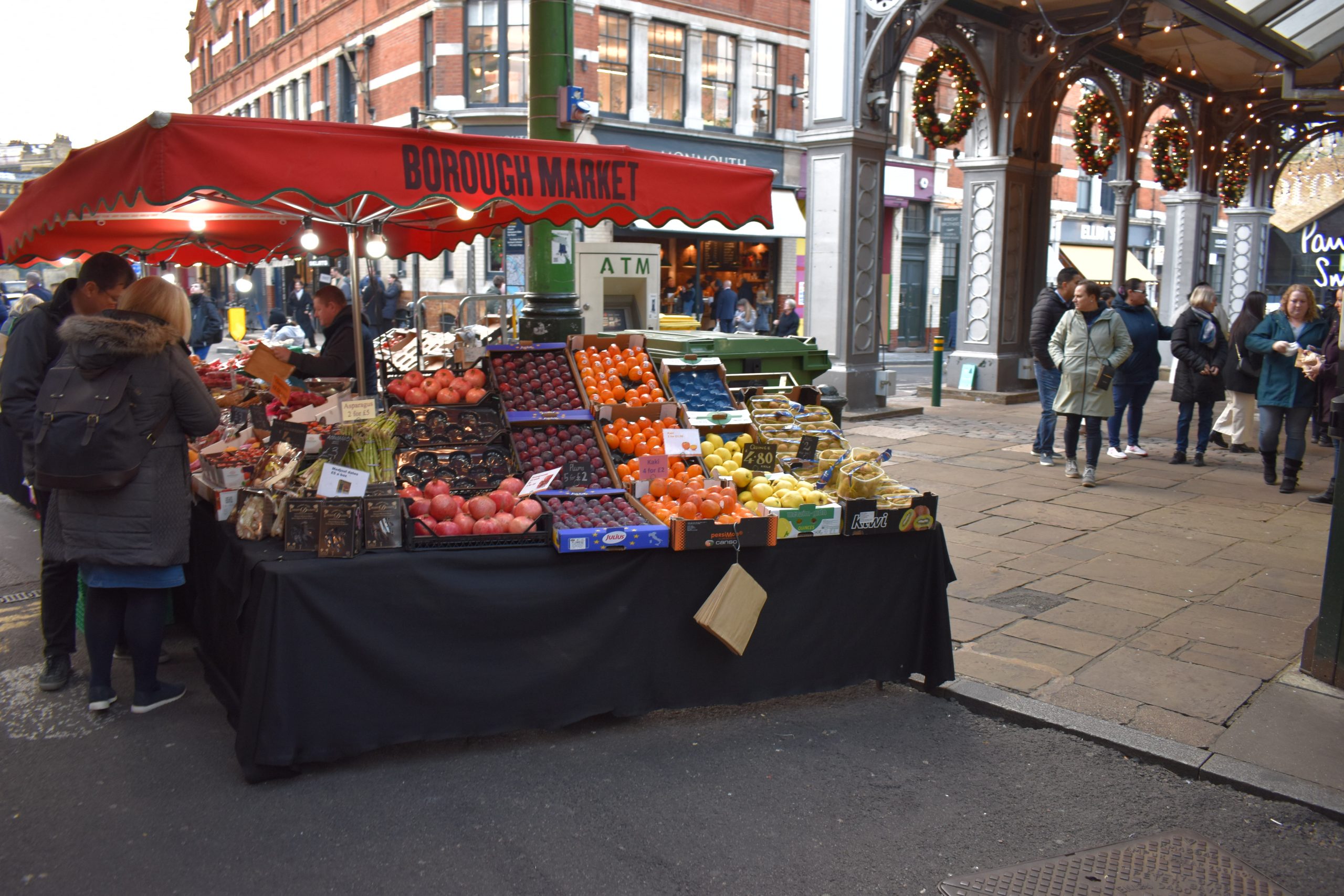
Located by the Thames, London Bridge and now the Shard, Borough market is a landmark known the world over. It is home to fantastic hot food stalls frequented by locals and tourists alike, and it provides specialist produce of every kind imaginable. However, the Borough Market has gone through many changes in its 1000-year-plus lifetime and the tale of these changes creates a dichotomy between the old and the new like 2 different markets.
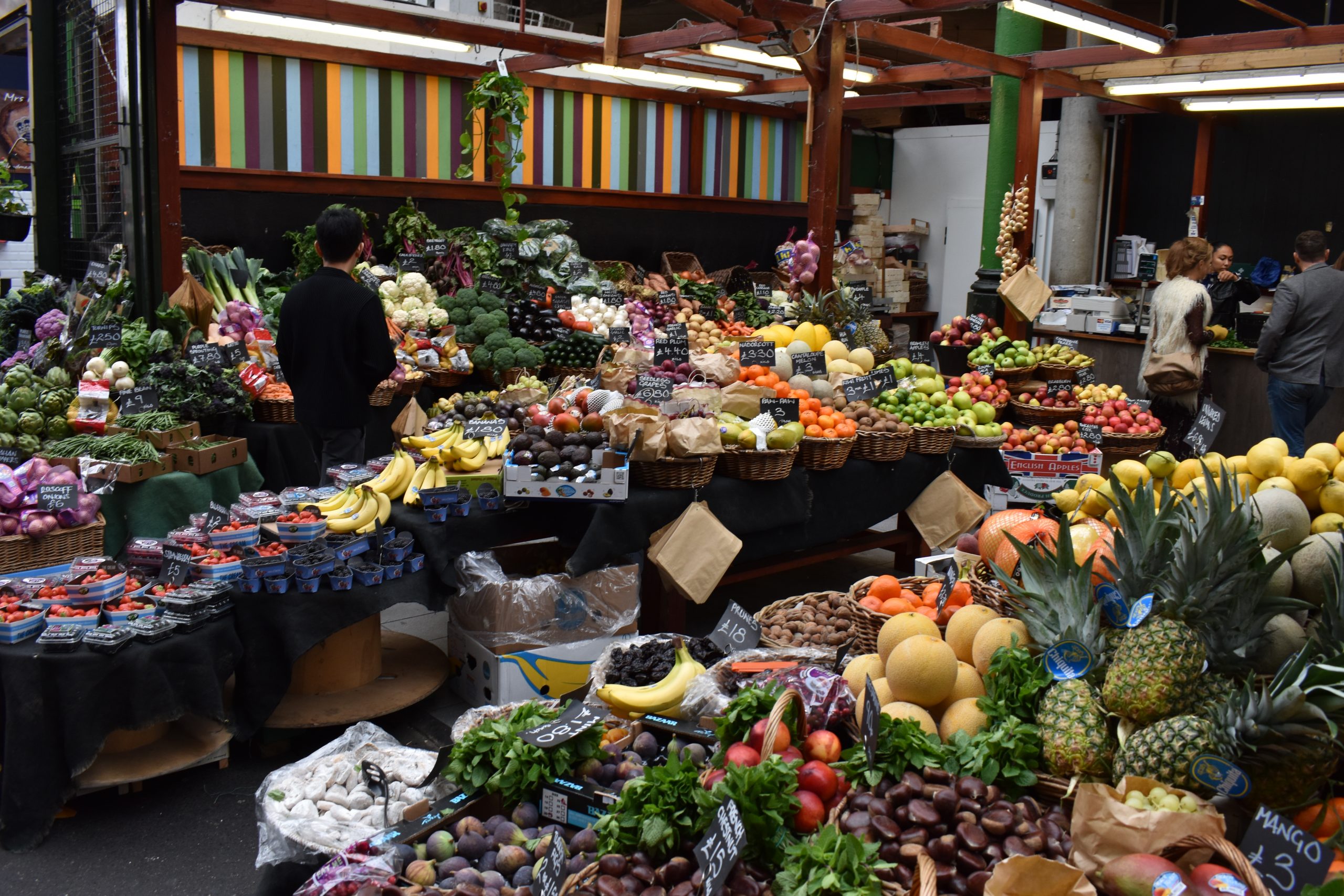
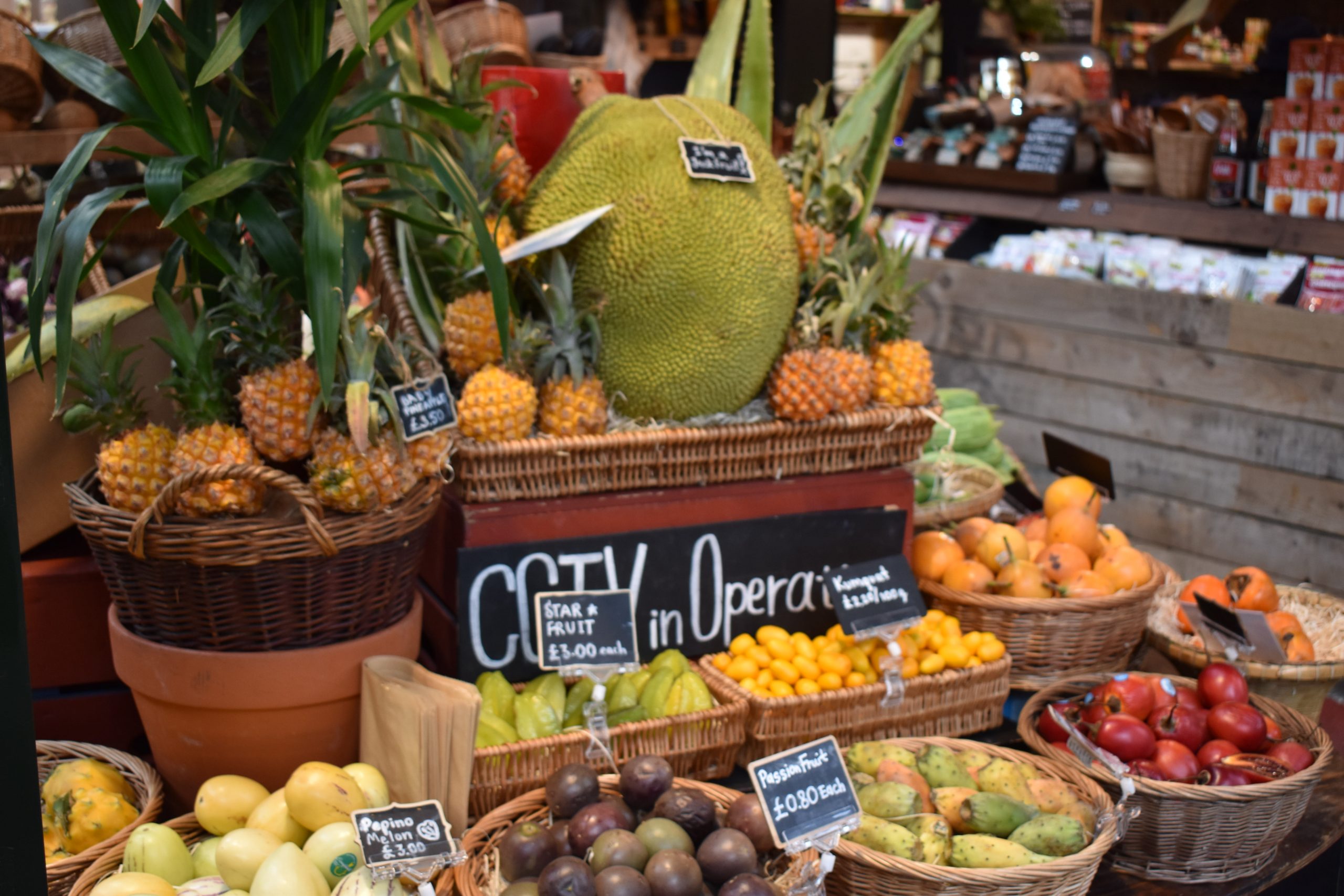
Borough market is a historically well-known site that houses many businesses familiar to locals and tourists. However, Borough has had a complex and fascinating history that shaped what it is today. It was not always a hub for foodies and tourists, with accounts that placed a market in the area as far back as 1014 and was officially recognised first in 1276. The markets in the area had great success partly due to the adjacent stretch of the Thames called the London pools. This area was vital to London at the time and with so much trade coming through it was an ideal location. However partly due to their success the markets in the area were shut down in 1754 as it created too much congestion in the streets, It was then reopened in its current location in 1756 stopping it from spilling out. Over time the success of the market continued selling goods such as grain, fish, meat and produce. In the mid-1800s much of the architecture and buildings Borough’s famous for was created along with a new viaduct installed in 1862 furthering the market’s connections throughout London and increasing its success.
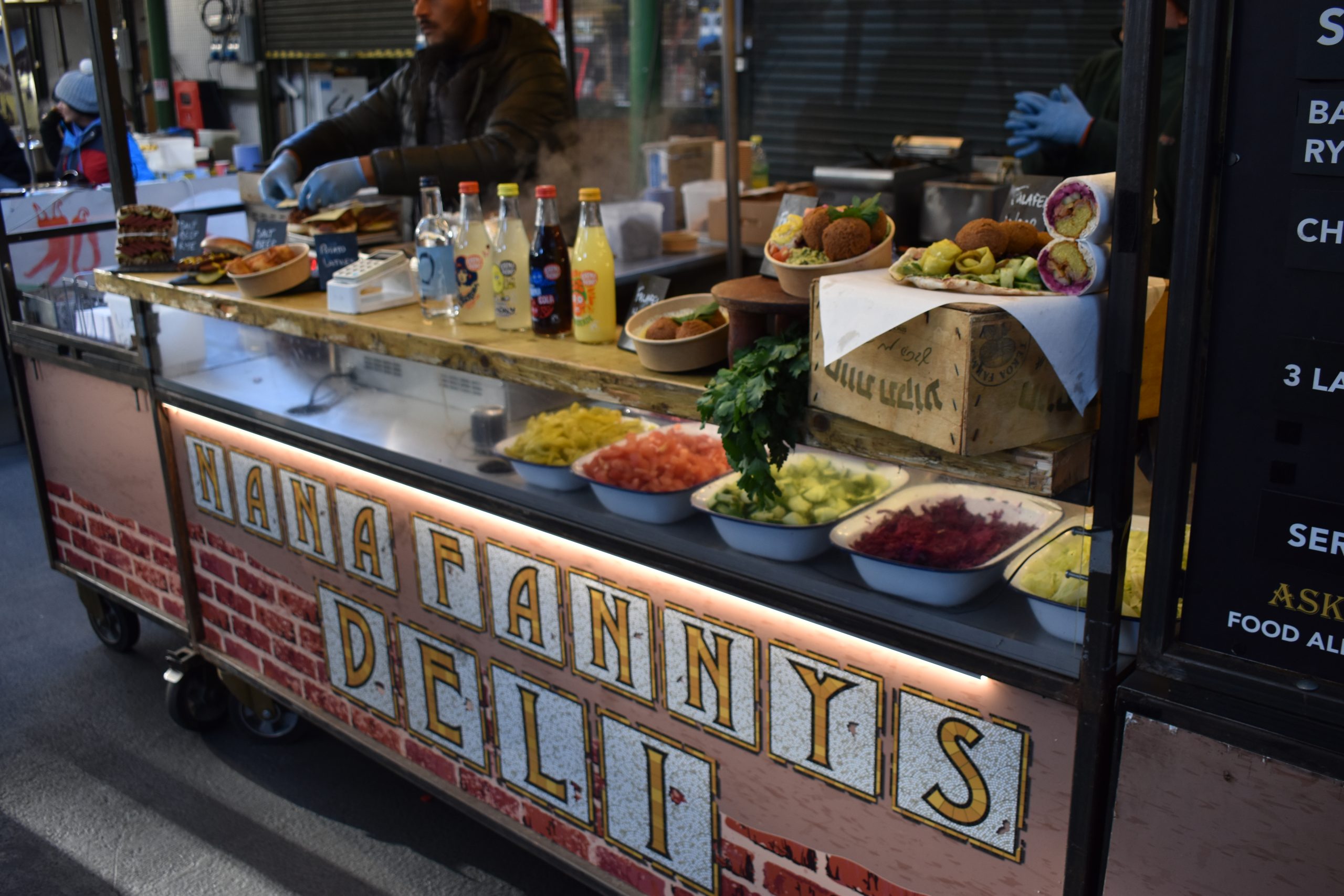
Due to these increases in connectivity within London, Borough Market became ever increasingly popular as a wholesale market specialising in fruit and veg. The market supplied greengrocers throughout London and became a vital institution, continuing to expand in the later 19th century along with the railways. In 1906 the constitution of the market was changed allowing a group of 21 trustees to take control and manage the space. However, the success and expansion of the Market came to a cease after hundreds of years of growth. During the 1970s the new Covent Garden market was opened in Vauxhall leading to a decrease in customers in Borough, the real nail in its coffin, however, was the widespread adoption of supermarkets as the main place to shop for many individuals. Despite the market operating wholesale, the individual greengrocer’s spread throughout London at the time could not compete with the supermarket prices and convenience. This led to a massive downfall in business and the Market became a ghost town in comparison to previous years. This was, up until the 1990s when due to a resurgence in interest from the public a food festival was hosted to massive success convincing the trustees to establish the market as a specialist retail space.
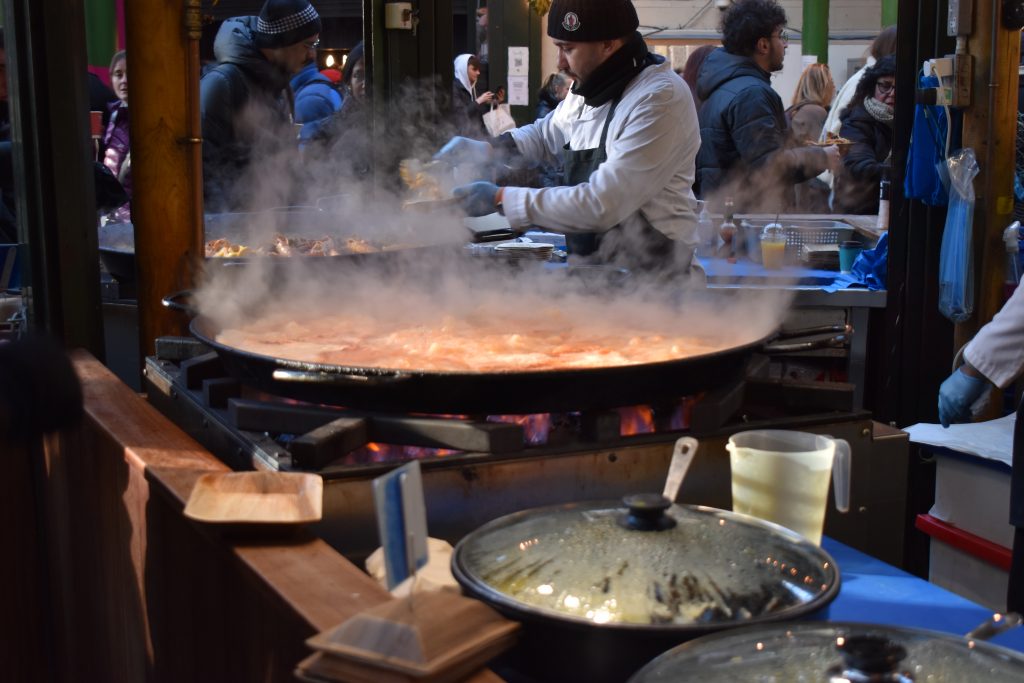
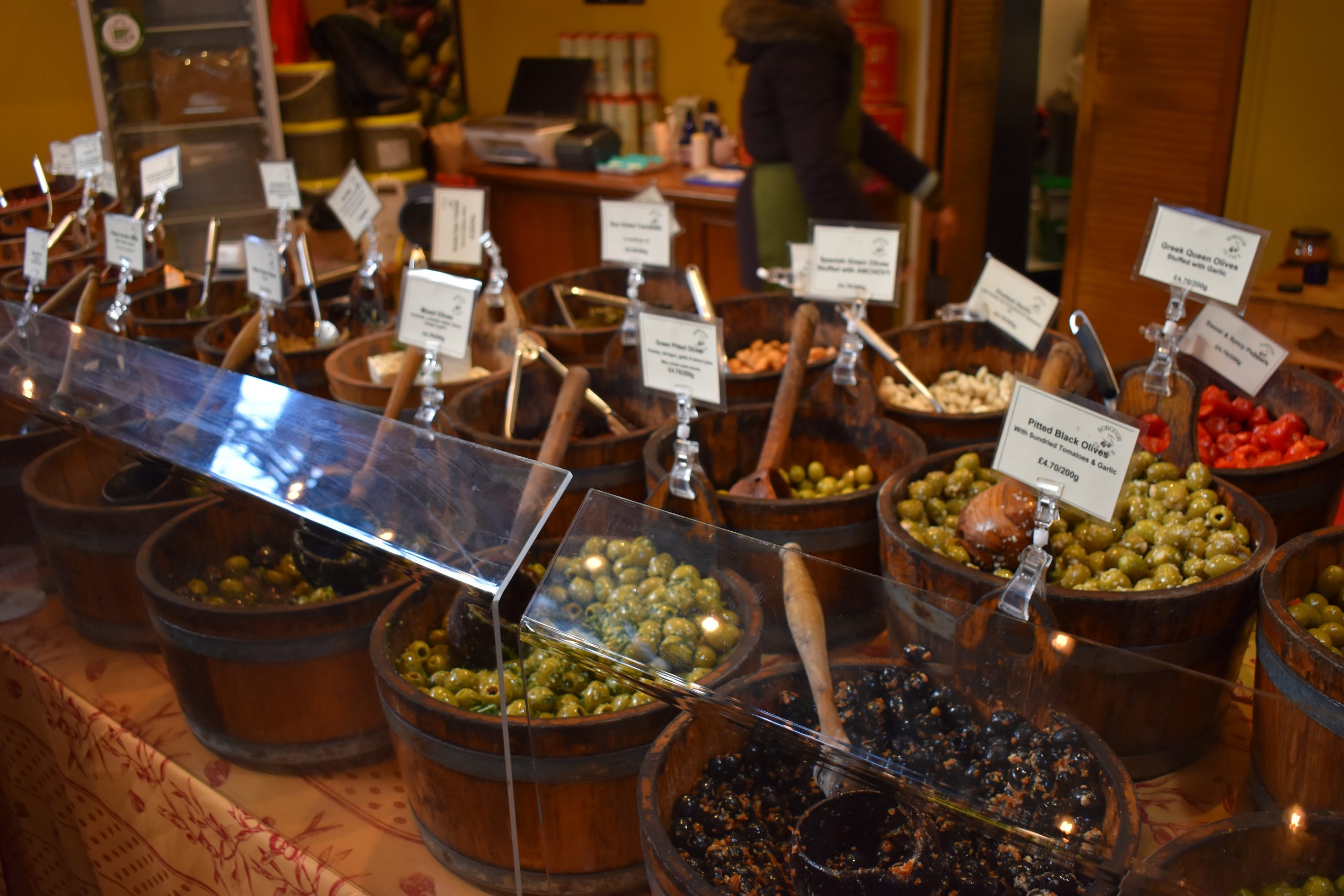
An Interview with Uggy, a market worker at different stands for over 5 years about how the markets changed in his experience.
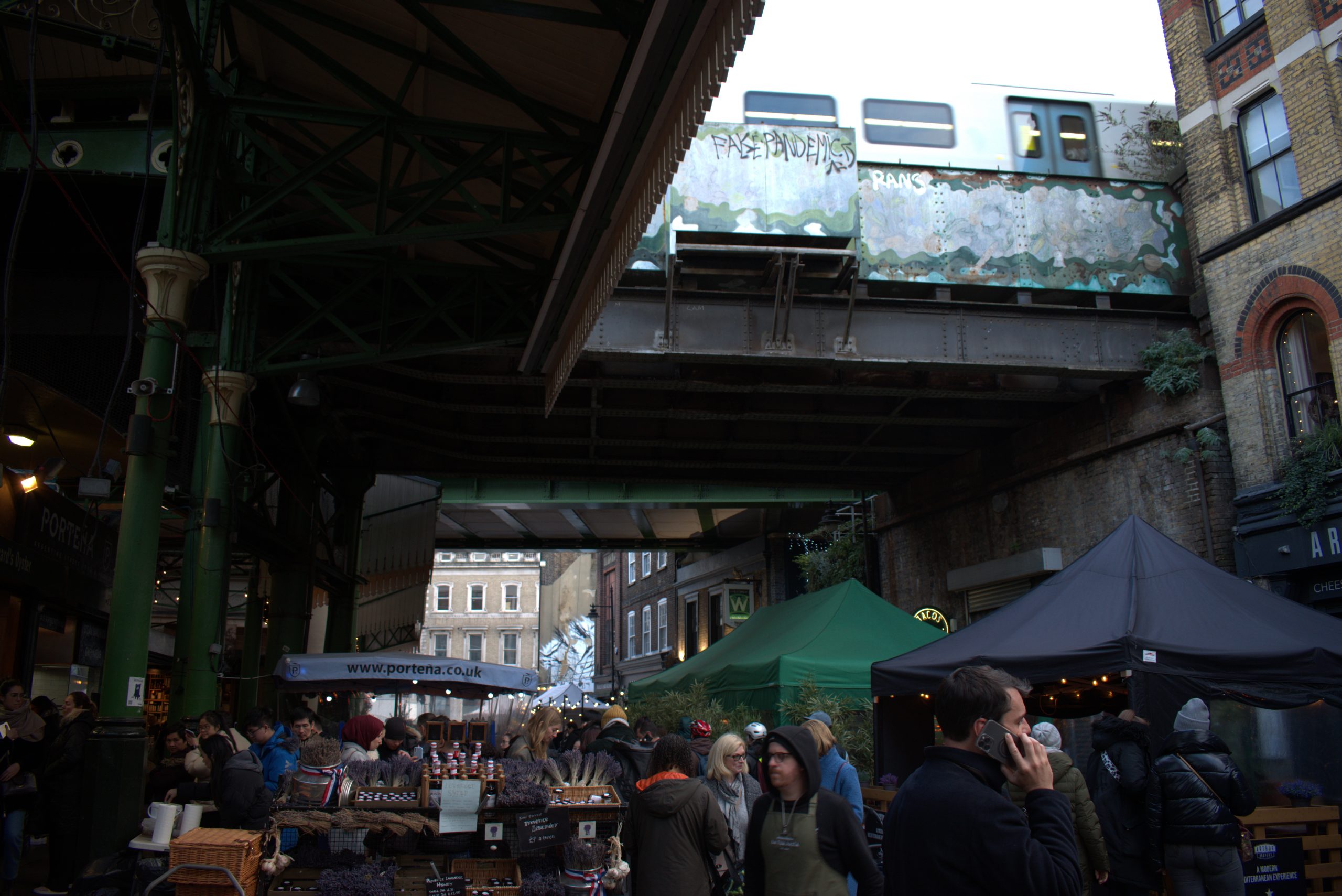
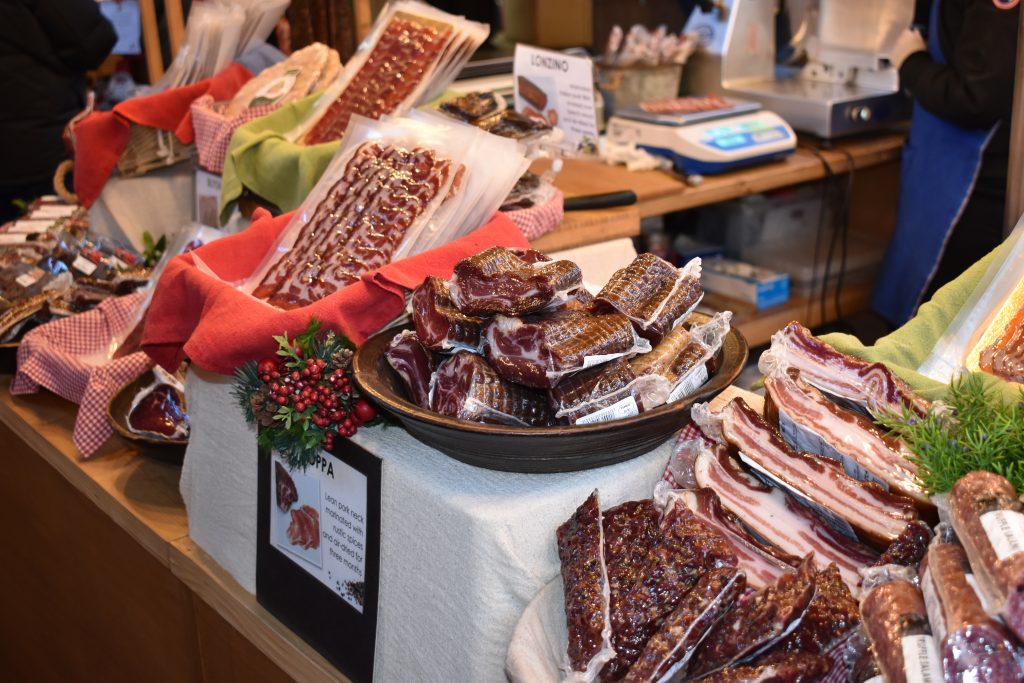
And this is where the tale of the 2 markets catches up with the modern day, as the transition of the market from wholesale to retail has changed the institution to its core. With a completely different customer base, you can now find the narrow pathways winding through the market empty during night-time hours save for a few continuing wholesale operations such as Ted’s veg, which still operates as both a small shop front and as a wholesale operation. However, these businesses that continue the market’s historical fruit and veg wholesale trade now focus on providing high-end specialist produce to restaurants rather than to greengrocers around the city. The evolution of the market has its downsides as well unfortunately, as over time more expansion into the green market providing space for new stalls leaves some questioning whether the institutions of the market they once knew and loved have changed beyond recognition. With massive popularity with global tourists, the prices have increased and may have priced out some of the customers who may have been frequenting it since its retail opening in 1998